Cuéllar
Historic town sixty kilometres north of Segovia, known for Mudéjar brick architecture, a massive medieval castle, and Spain's oldest bullfighting festival every August.
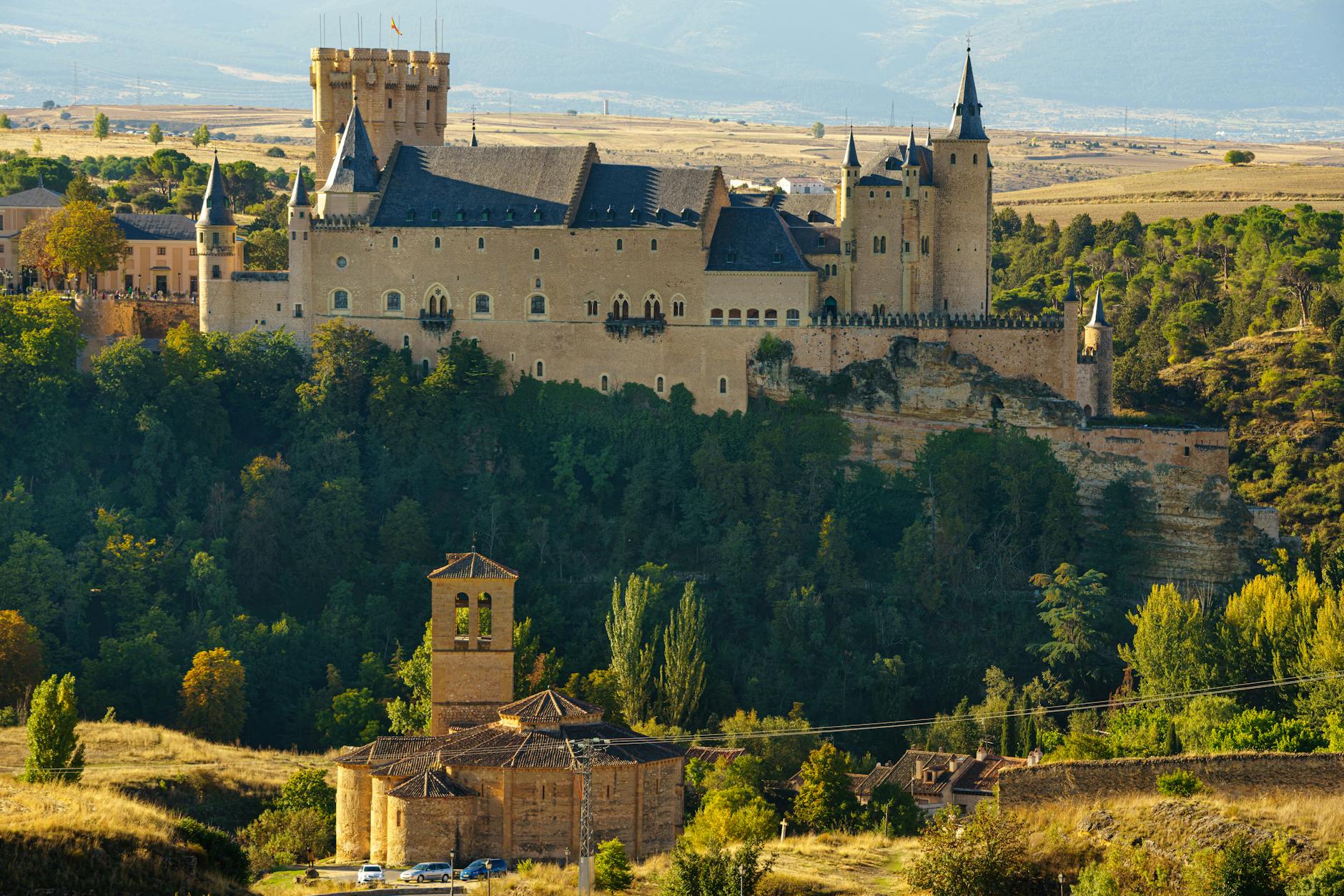 Mudéjar brick towers and medieval walls in Cuéllar
Why people stay in Cuéllar
Cuéllar is a substantial town of ten thousand, far larger and livelier than the other rural bases around Segovia, with a medieval core ringed by Mudéjar churches built by Muslim craftsmen in the thirteenth and fourteenth centuries. The castle is a vast hilltop fortress now housing a secondary school—yes, students attend classes inside a national monument—and the historic quarter is a dense maze of narrow streets, brick towers, and crumbling palaces. The town feels lived-in and slightly shabby, with excellent bread, loud bars, and a weekday market that spreads across three streets every Wednesday.
The Mudéjar architecture is the draw. Cuéllar has a dozen brick churches and towers decorated with blind arcading and geometric patterns, most of them locked except for festival days, but impressive from the outside. The castle opens for guided tours on weekends, €5 entry, and the interior is a strange mix of medieval halls and modern school furniture. The town walls are fragmentary but you can walk sections of the ramparts near the Puerta de San Basilio. The whole historic centre is compact enough to cover on foot in two hours, though the streets are steep and the signage is poor.
Cuéllar is famous across Spain for the Encierros—bull runs held during the last week of August, the oldest in the country and far less touristy than Pamplona. Bulls run through the streets four times over four days, the route is long and dangerous, and the festival draws tens of thousands. Hotels book a year ahead, prices triple, and if you come during the Encierros without a reservation you will sleep in your car. Outside festival week the town is quiet, affordable, and pleasantly short on foreign tourists.
This is the best base in the northern province if you want a real town with services—supermarkets, pharmacies, banks, multiple restaurants, a bus station. It is also the least scenic: flat farmland surrounds the town, the newer neighbourhoods are concrete blocks, and the historic quarter, while interesting, is not pretty. Come for Mudéjar art, for the castle, or for a functional base. Skip it if you want mountain views or postcard streets.
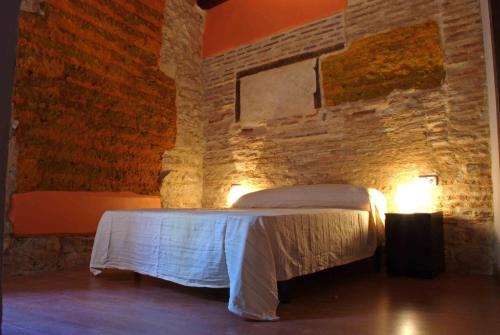
Hotels cluster near the castle and along Calle San Francisco in the old town. Expect €55 to €85 a night midweek, €75 to €110 weekends, with breakfast. Most are small places in converted historical buildings—stone walls, uneven floors, decent but not luxurious. Hotel Castilla Termal is the upmarket option, a spa hotel in a restored building with a pool and massage treatments, €120 to €180 a night. Avoid the modern budget chain on the edge of town; it is soulless and poorly located. Book ahead for August or you will find nothing; the rest of the year you can walk in.
Things to do in Cuéllar

The massive hilltop castle opens for guided tours Saturday and Sunday 11am, 12.30pm, 4.30pm, and 6pm, €5 per person, no advance booking. The tour lasts an hour and covers the Renaissance courtyard, the medieval keep, and the Gothic halls, now partly occupied by a school. The guide speaks Spanish only but the architecture speaks for itself. The views from the ramparts over the town and the plains are excellent.

Pick up the free Mudéjar route map at the tourist office on Plaza Mayor, then walk the circuit of brick churches: San Martín, San Esteban, San Andrés, and El Salvador. All are thirteenth-century, all are locked except for mass times, but the exteriors—blind arcades, horseshoe arches, geometric brickwork—are the real attraction. The full circuit is three kilometres on steep cobbles, taking ninety minutes.

Traditional Castilian cooking on Calle San Francisco: roast lamb, blood sausage, white beans with ham, and local game in season. A full meal with wine costs €25 to €30. The dining room is plain but the food is reliably good. Open daily for lunch; evenings Thursday to Saturday only. Reserve for Sunday lunch.
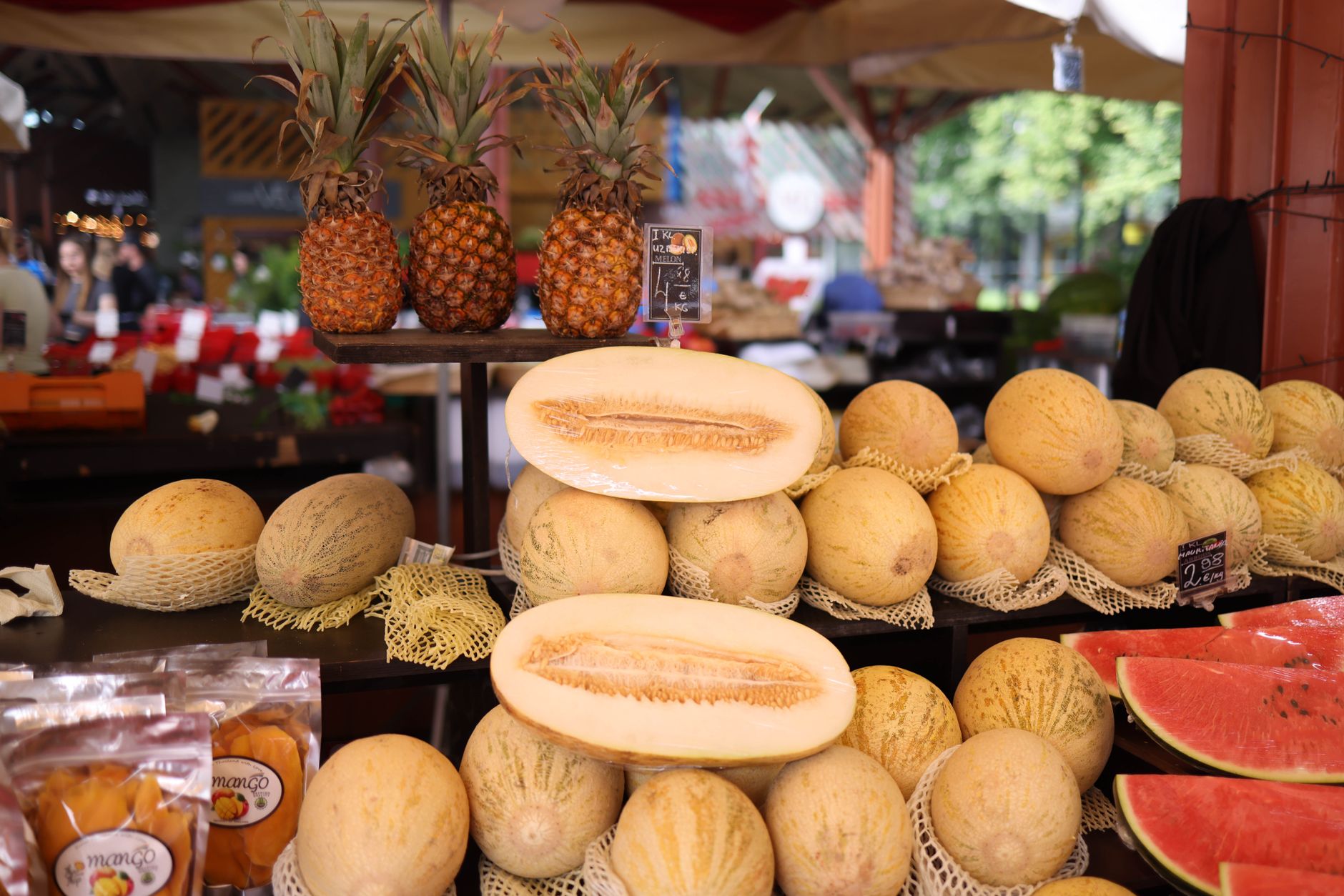
Every Wednesday the Mercado Semanal takes over streets around the old town, selling fruit, vegetables, cheese, cured meats, bread, clothing, and household goods. It is a working market, not a tourist attraction, and the atmosphere is lively. The best stalls are on Calle Barrionuevo. Open 9am to 2pm, cash preferred.
A restored section of medieval wall runs west from the Puerta de San Basilio, with a walkable rampart offering views over the lower town and the farmland beyond. The walk is short—maybe three hundred metres—but atmospheric. Access is from the gate itself, unlocked daily, no charge. The rest of the walls are fragmentary and private property.

The town of Coca, fifteen kilometres southwest, has one of Spain's most spectacular Mudéjar castles—a vast brick fortress with turrets and moats, built in the fifteenth century. The castle opens for guided tours daily, €3 entry, and the interior is beautifully preserved. The drive from Cuéllar takes twenty minutes through pine forests.
What to see
Hotels near Cuéllar
No hotels are listed in Cuéllar yet. The nearest ones are on the region page.

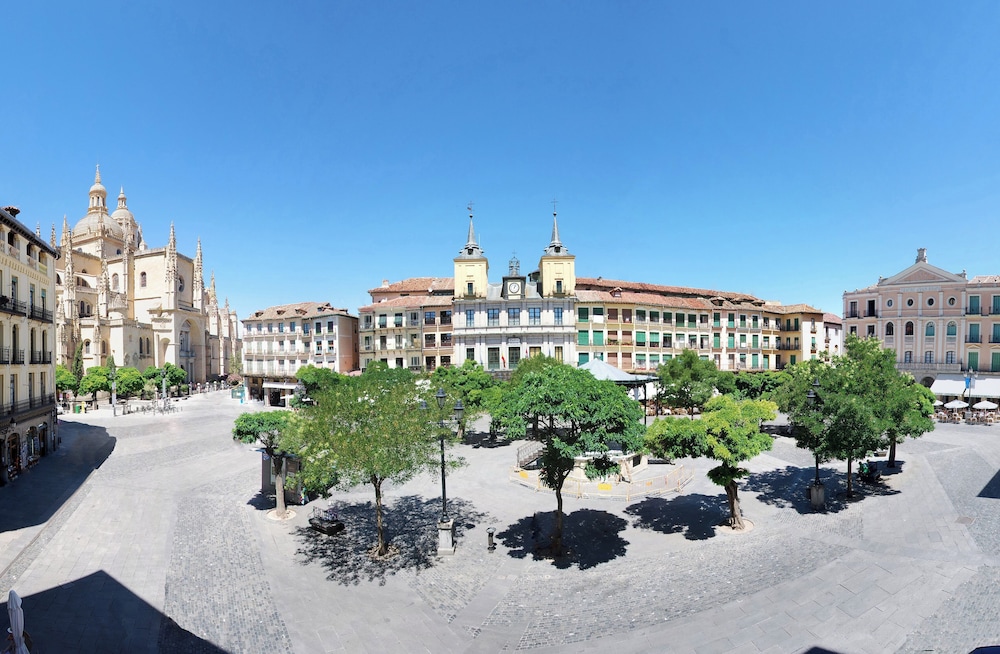
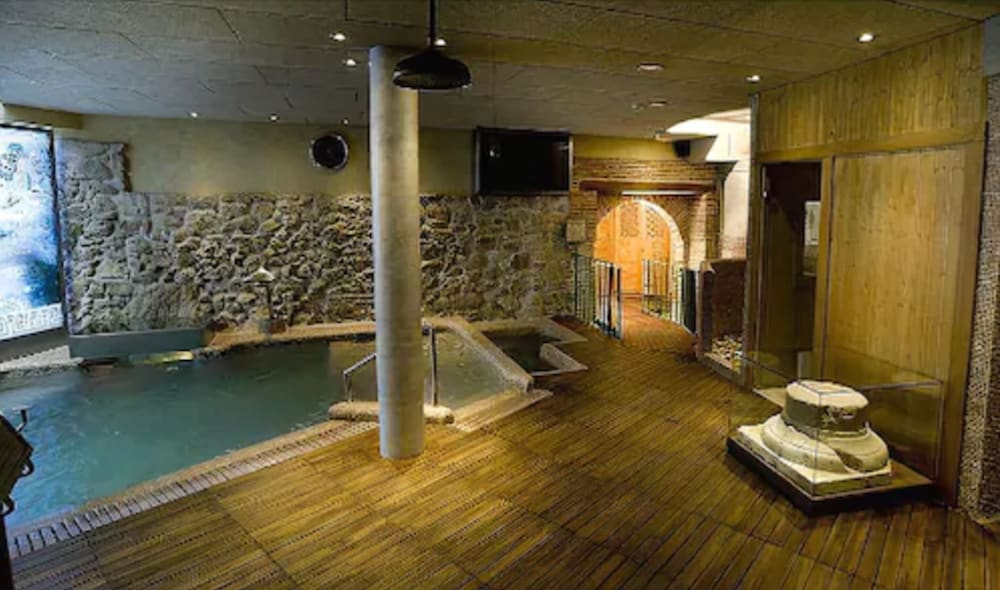
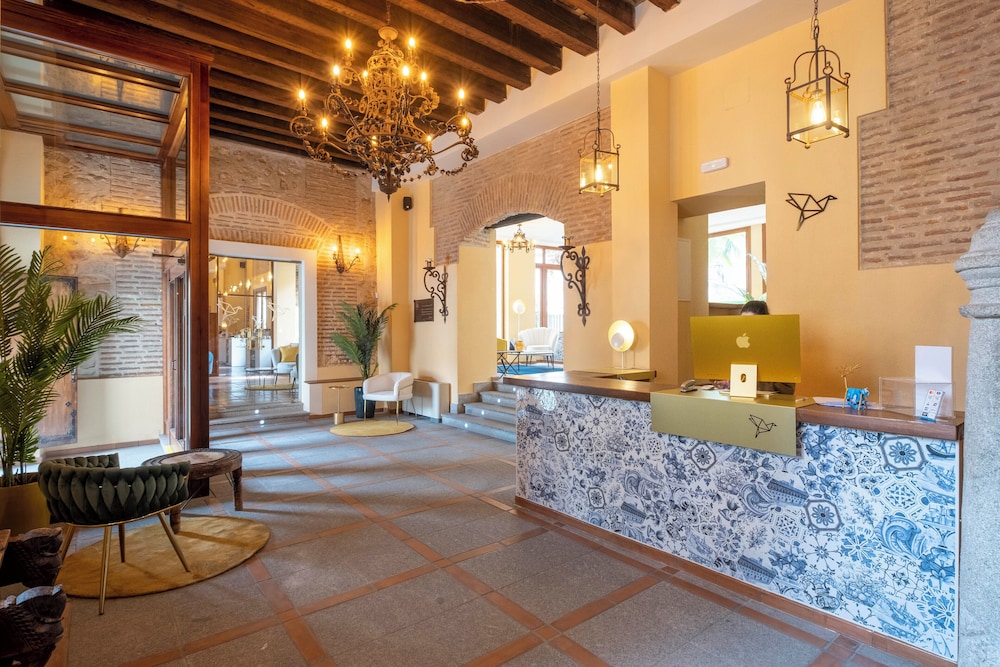
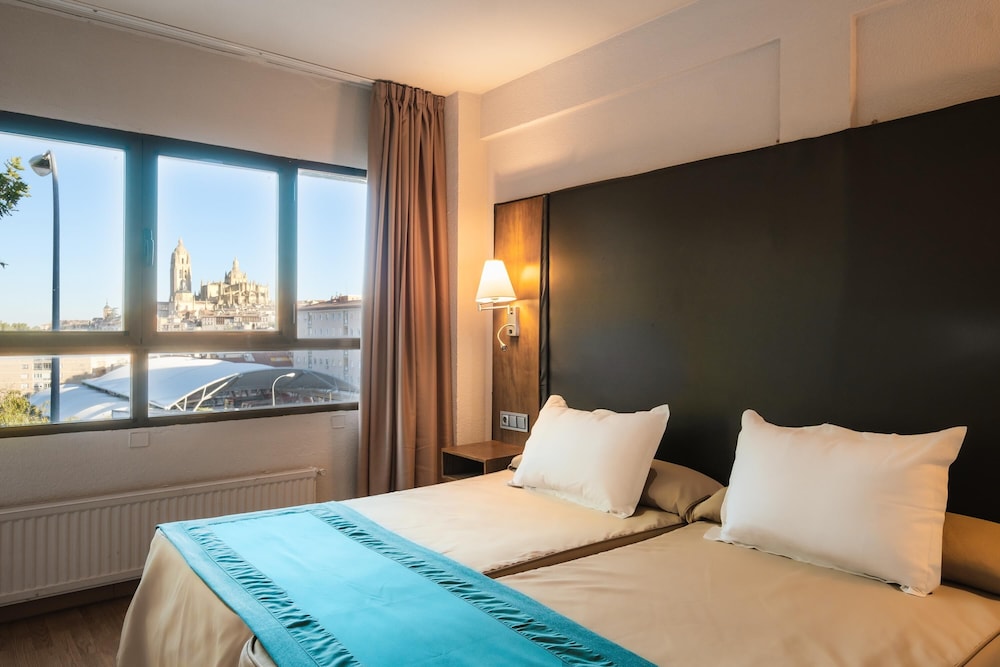
Every hotel we cover in Cuéllar
- Hotel Rural Tirontillana 3★ · 4.8/5
- Aparthotel Santa Marina 2★ · 4.5/5
- La Posada de Carmen 4★ · 4.2/5
- Casa Adrados Mar de Pinos Barbacoa en Segovia 4★
- Casa Teo 4★
- Charming house in Chatún with private pool 4★
- El Mirador de la Dehesa de Cuellar 4★
- La Cantina de Daniel 4★
- Lagar de Justa 4★
- Spacious villa with private pool Campo de Cuéllar 4★
- Un Mar de Pinares 4★
- Alojamientos Terrabuey 3★
- Casa Rural La Ibienza 3★
- Casa Rural la Vega Fria 3★
- Casilla Fuentes 3★
- La Morada de Los Olmos 3★
- La Moreria Alojamiento Turistico 3★
- El Rincon Castellano 2★
- Florida 2★
- Hostal San Francisco 1★
- Albergue de Cuéllar
- Casa de Los Recuerdos
- Casa Rural Laguna Herrera
- Casa Rural Las Cotarras
Getting around Cuéllar
Cuéllar has no train station. From Madrid-Barajas airport rent a car and drive north via the A-1 and CL-601, two hours total. From Segovia city take the N-110 and SG-342 north for sixty kilometres; the drive takes an hour through flat farmland. Buses run from Segovia four times daily on weekdays, twice on weekends, taking ninety minutes—this is the most practical bus link of any town in the region. There is free street parking throughout the old town and a large lot near the castle. Within Cuéllar everything is walkable, though the distances from the castle to the edge of the historic quarter are longer than in smaller towns.
Questions about Cuéllar
Only if you book accommodation and tickets months in advance and have a high tolerance for crowds and noise. The Encierros are thrilling but chaotic, and the town is overwhelmed. First-timers to the region should visit at a calmer time to see the architecture without the circus.
Rarely. Most are locked except for Sunday morning mass and festival days. The exteriors are the main attraction anyway—the interiors are often plain whitewash. If you want guaranteed access, check the tourist office for the monthly opening schedule, or time your visit for a Sunday morning and church-hop.
It depends what you want. Cuéllar is a real working town with more services, better food variety, and easier logistics. Pedraza and Sepúlveda are prettier and more atmospheric. For a base, Cuéllar wins. For a daytrip photo op, the others win.
No, thanks to the decent bus service from Segovia. Once there, the town is walkable. A car is useful for visiting Coca and other nearby sites, but not essential if you are content to stay in Cuéllar itself.


