Turégano
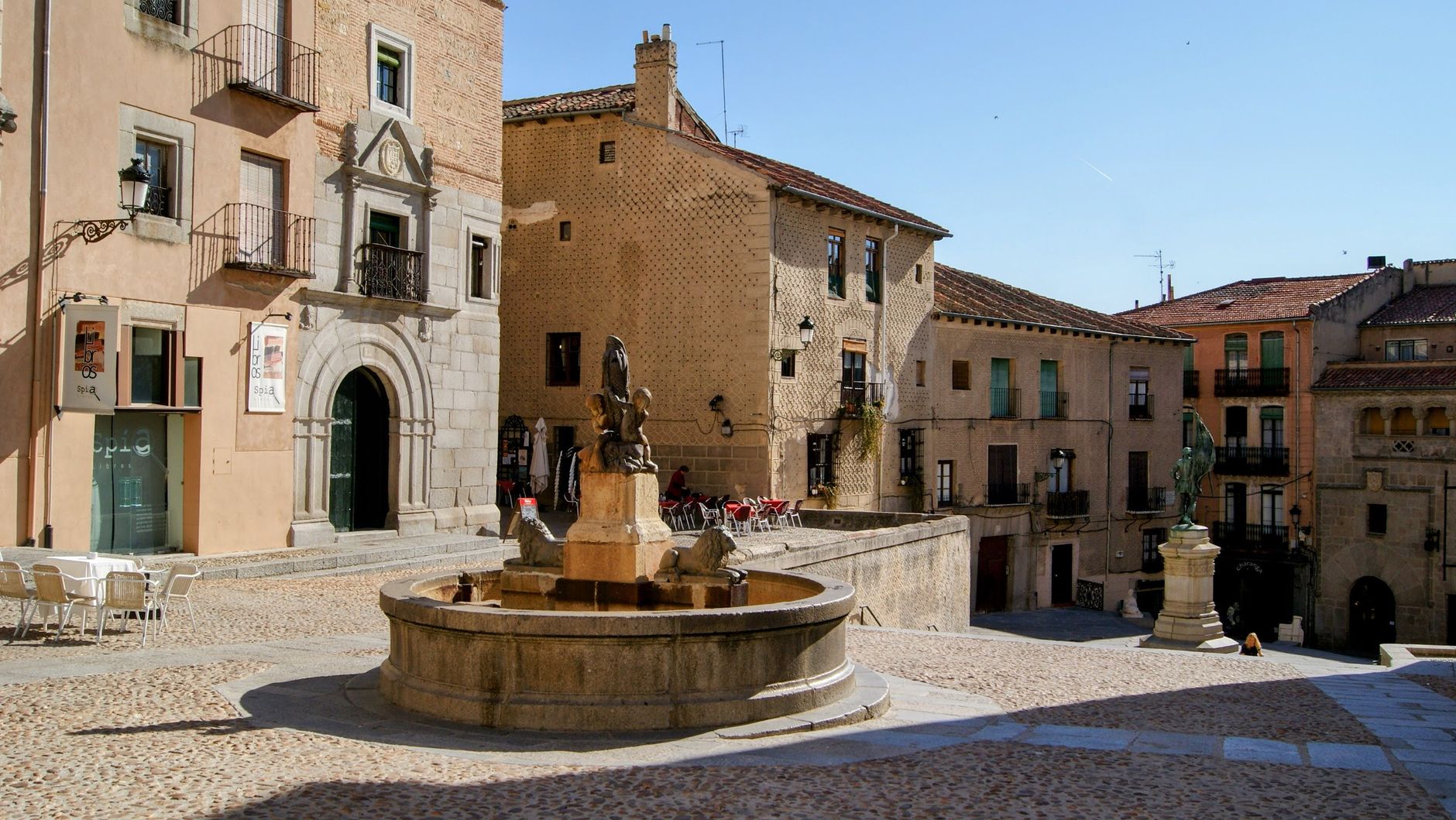
Small agricultural town thirty kilometres north of Segovia, dominated by a unique castle with a Romanesque church built inside its walls.
 Medieval castle with church inside the walls at Turégano
Why people stay in Turégano
Turégano is a working farm town of barely a thousand people, its skyline dominated by a thirteenth-century castle that encloses a twelfth-century Romanesque church within its walls—a rare architectural arrangement found almost nowhere else in Spain. The castle opens to visitors year-round, €3 entry, and the interior is atmospheric: vaulted stone chambers, a graffiti-covered dungeon, and the church nave sitting oddly within the defensive walls like a ship in a bottle. The town itself is plain—one main plaza, a handful of bars, a weekly market on Thursdays, and streets lined with ochre-painted houses and farm equipment.
Tourism is minimal. The castle pulls a trickle of Spanish visitors on weekends, but midweek you may be the only person inside. The town has three small hotels, all of them basic, and one decent restaurant serving roast lamb and local vegetables. There are no museums, no craft shops, no pedestrianized zones or polished heritage quarter. Turégano is what it is: a functional agricultural centre that happens to have an interesting castle, and the lack of tourist infrastructure is both its charm and its limitation.
The surrounding landscape is flat to gently rolling farmland—wheat, barley, sunflowers in summer, muddy and bare in winter. The town sits at 900 metres, lower than the Sierra towns to the east, and the climate is harsher: hot and dusty in July, freezing in January. The nearest hiking is twenty kilometres away in the Sierra foothills; Turégano itself offers no trails worth the name. Come here to see the castle, eat a good lunch, and experience a Spanish town utterly uninterested in performing for visitors.
Skip it if you want amenities, atmosphere, or things to do beyond the one sight. Stay in Segovia city and drive over for the castle if you are curious. Spend the night only if you want extreme quiet and are comfortable with minimal English, no wifi in half the hotels, and the risk that the one restaurant is closed because it is Tuesday.
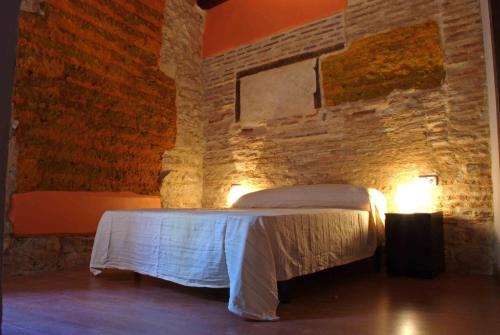
The three hotels are basic places on or near Plaza Mayor, charging €50 to €70 a night including breakfast. Rooms are clean but dated: floral bedspreads, tube televisions, shared bathrooms in some cases. Hostal El Vallejo is the best of the three—ensuite rooms, decent beds, and the owner speaks some English. The other two are interchangeable and often closed midweek in winter. Book by phone; only one lists online. Do not expect boutique charm or modern comforts. This is cheap provincial Spain, functional and unfussy.
Things to do in Turégano
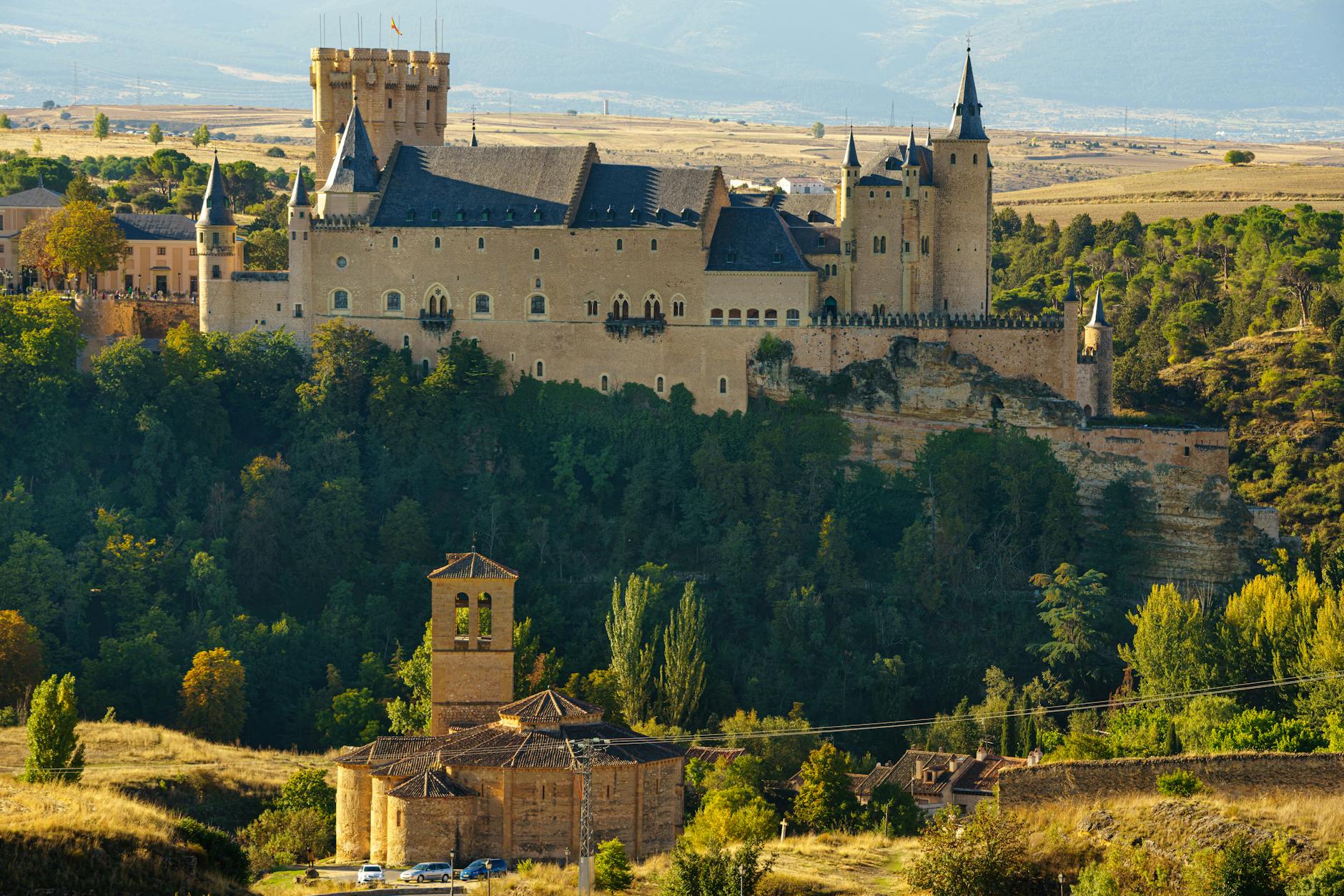
The Castillo de Turégano opens daily 10am to 2pm and 4pm to 7pm, €3 entry, self-guided. Walk through the defensive towers and chambers, climb the ramparts for views over the town and farmland, then enter the Romanesque church of San Miguel inside the walls. The church still holds services but the interior is accessible to visitors. The crypt and the carved capitals are the highlights. Allow an hour for the full visit.

The most reliable place in town, serving traditional roast lamb, beans with chorizo, and seasonal vegetables. A three-course meal with wine costs €20 to €25. The dining room is plain and the service is slow, but the food is honest and well cooked. Open daily for lunch; evenings Friday and Saturday only. No reservations needed except Sunday lunch.

A dirt track leaves the north edge of town—start from behind the cemetery—and climbs two kilometres through farmland to a small hilltop chapel. The walk is dull but the views from the top are decent, and the chapel is a quiet spot with a stone bench and some shade. Round trip takes an hour. The chapel is locked but the exterior is worth the walk.

Every Thursday from 9am to 1pm the main square fills with stalls selling fruit, vegetables, cheese, cured meats, cheap clothing, and household goods. It is a local market, not a tourist event, and the atmosphere is lively. Good place to buy bread, olives, and regional cheese. Cash only, no English.

The town of Cantalejo, fifteen kilometres northwest, has a small museum dedicated to mushrooms and fungi, open weekends 11am to 2pm, €2 entry. The collection is surprisingly thorough—hundreds of preserved specimens, diagrams of ecosystems, and displays on edible vs poisonous species. Only worth the trip if you have a specific interest or are driving the area anyway.
What to see
Hotels near Turégano
No hotels are listed in Turégano yet. The nearest ones are on the region page.

Every hotel we cover in Turégano
- La Fuente del Monte 4★ · 4.9/5
- A Toca Casas Rurales en Turegano Segovia 4★ · 4.7/5
- Balcon De Nut I 4★ · 4.6/5
- Posada el Zaguan 4★ · 4.4/5
- Hotel Rural La Casa del Cubón 4 4★ · 4.3/5
- Casa De Hechizo 4★
- Casa El Encuentro Turégano Segovia 4★
- Casa Gela. Entorno Rural 4★
- Casa Real Pósito II 4★
- Casa Rural Abuelo Regino 4★
- Casa rural Callejón del Palacio 4★
- Casa Rural El Camino Real 4★
- Casa Rural El Pajar de Tenzuela 4★
- Casa Rural La Fuente del Fresno 4★
- Casa Rural La Fuente del Junco 4★
- Casa Rural Los Regajales 4★
- Casas Las Hazas 4★
- Casita Piron 4★
- Cosmoveros Hotel Burbuja 4★
- El Carro del Abuelo 4★
- El Pozo de la Cotarra 4★
- El Rinconcillo de Torreiglesias 4★
- Hotel Del Verde Al Amarillo 4★
- La Alberca Casa Con Jardin Y Piscina 4★
Getting around Turégano
Turégano has no train station. From Madrid-Barajas airport rent a car and drive north via the A-6 and SG-V-2211, ninety minutes total. From Segovia city take the N-110 north for eighteen kilometres, then the SG-V-2211 for twelve kilometres; the drive takes thirty minutes through flat farmland. Buses run from Segovia twice daily on weekdays, no weekend service, and the schedule is inconvenient for daytrips. There is free parking on Plaza Mayor and throughout the town. A car is useful but not essential if you are only visiting the castle; otherwise you are stranded.
Questions about Turégano
Yes, if you are interested in medieval architecture or want to see something unusual. The combination of castle and church is architecturally unique, and the interior is atmospheric. Budget an hour for the visit plus an hour for lunch, and you have seen everything the town offers.
Technically yes, via the infrequent bus, but it is awkward. The bus schedule allows a same-day return only if you stay for five hours in the middle of the day, which is longer than the town merits unless you are very slow-paced. A car makes far more sense.
No. The castle is self-guided with minimal signage, none in English. The layout is simple enough that you do not need a guide, but bring a phone or guidebook if you want historical context.
Almost nothing. The castle is the sight. The town is pleasant to walk for twenty minutes, and the restaurant is good, but there are no other attractions, no shopping, no nightlife. Combine it with Pedraza or Sepúlveda if you want a fuller day.