Hotels in Segovia
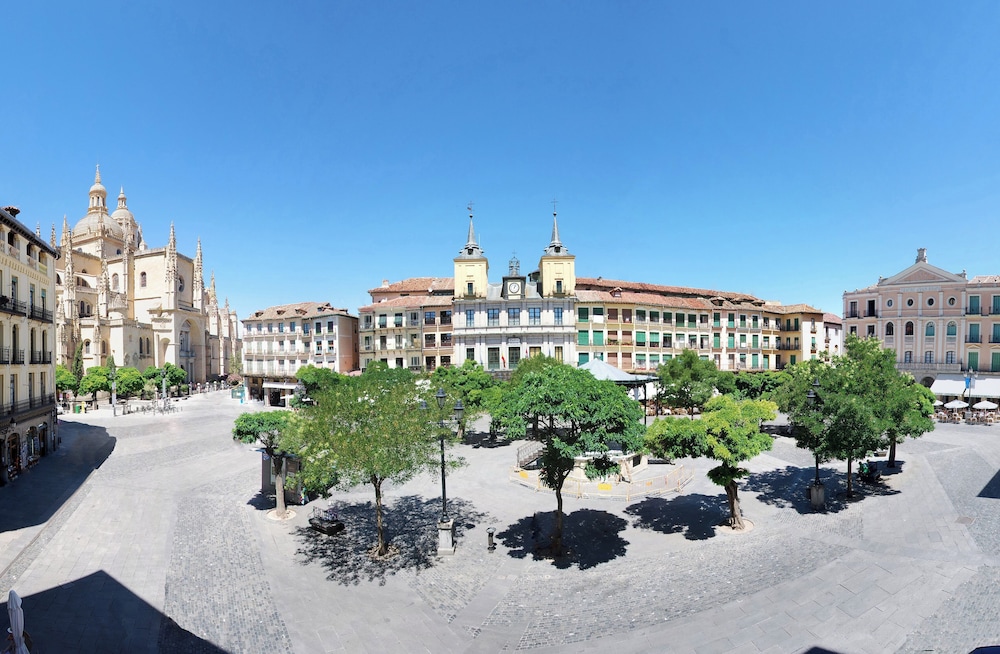
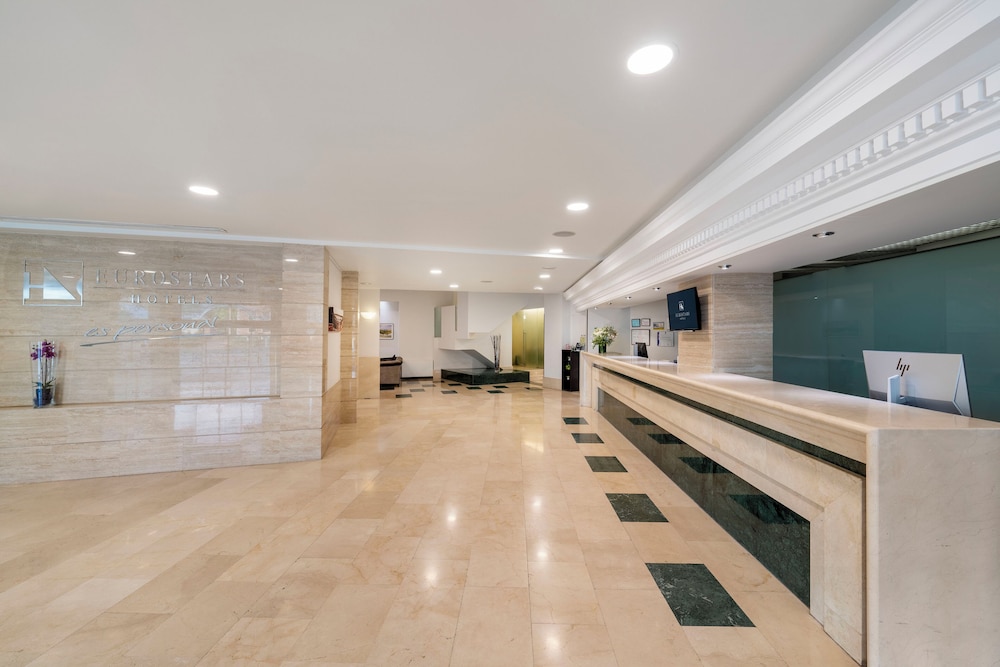
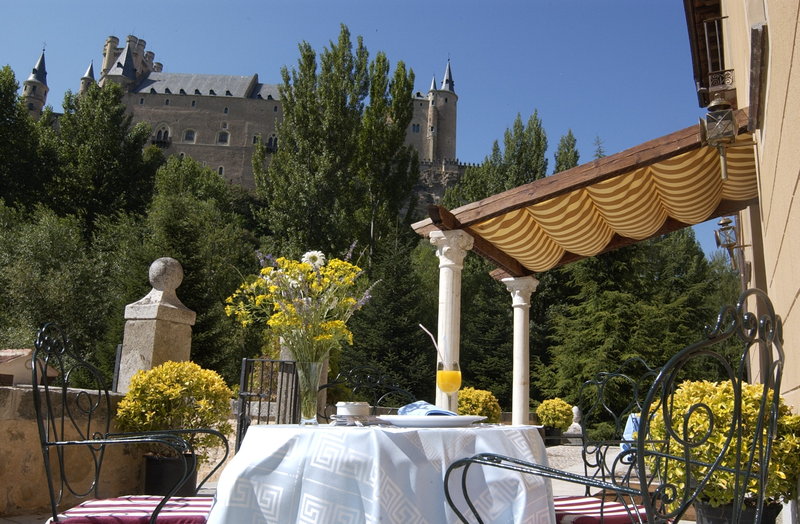
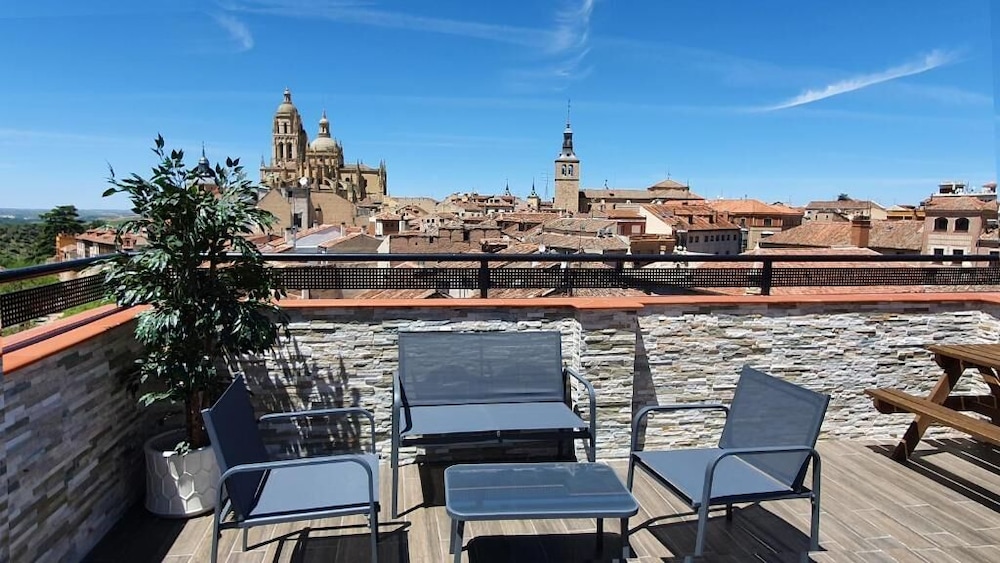
Stay in the Casco Antiguo if it is your first visit — the walled old town puts the Cathedral, Plaza Mayor, Calle Real and the Alcázar within a ten-minute walk of each other, and you pay for it, with 3-star doubles typically €75–120 midweek and 4-star rooms €110–180. The Judería, the lanes between Calle Judería Vieja and the Puerta de San Andrés, is the same postcode but quieter at night, with small hotels and apartments looking over the Clamores valley. San Millán, just below the walls around its 12th-century Romanesque church, is the value pick: five minutes on foot to the aqueduct at Plaza del Azoguejo, walking distance to the bus station on Paseo Ezequiel González, and usually €20–30 a night cheaper than the same standard inside the walls. El Salvador, San José and La Albuera are ordinary residential barrios east and south of the aqueduct where a clean double often lands at €50–70, with a 10–15 minute walk into the centre.
Find your hotel

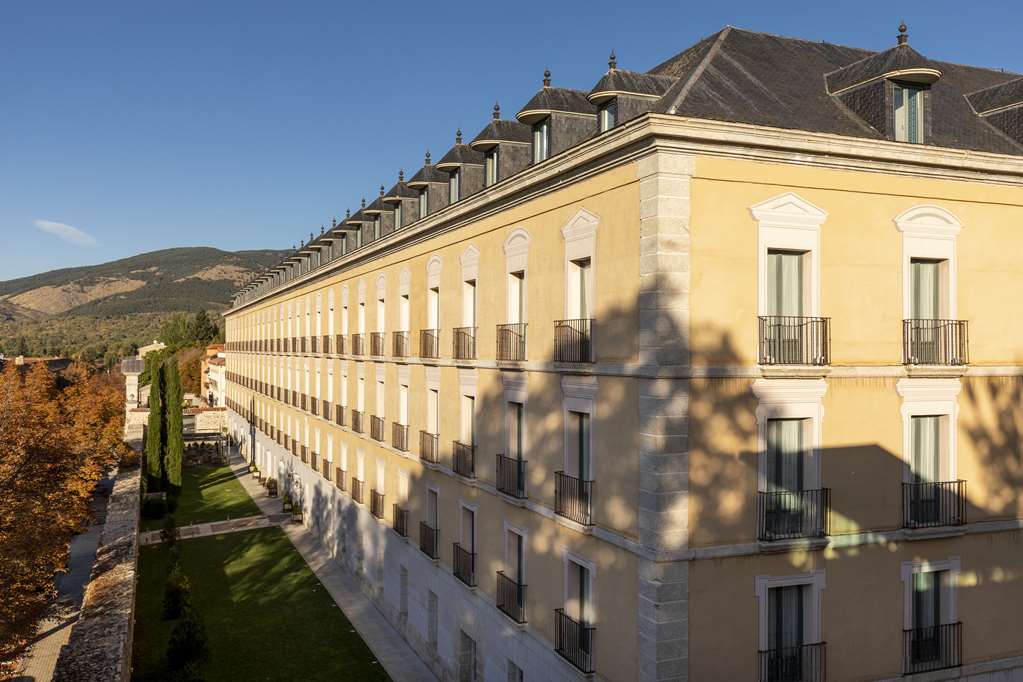
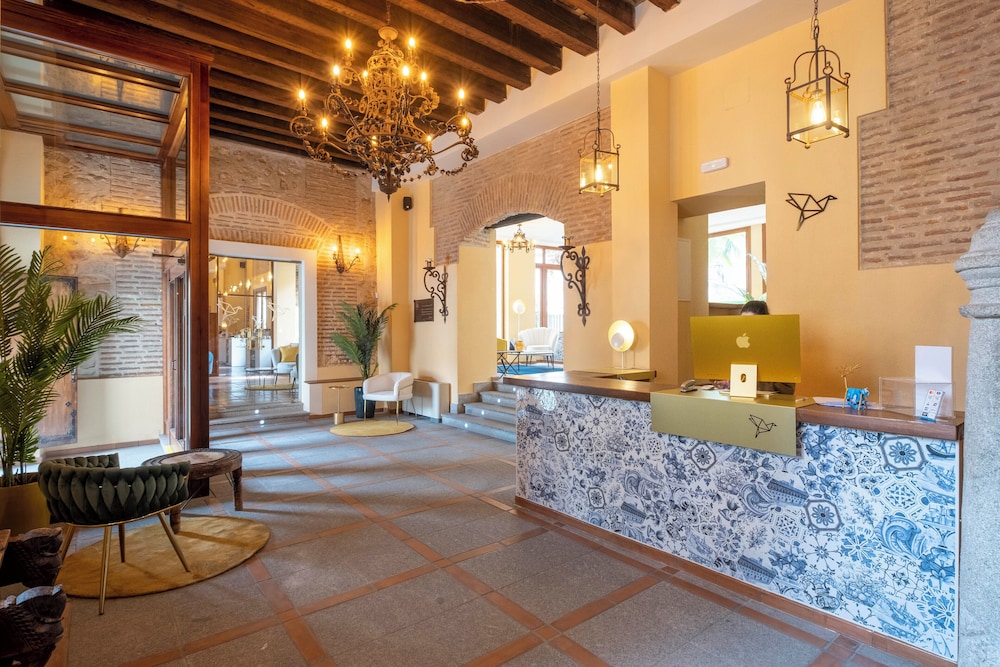

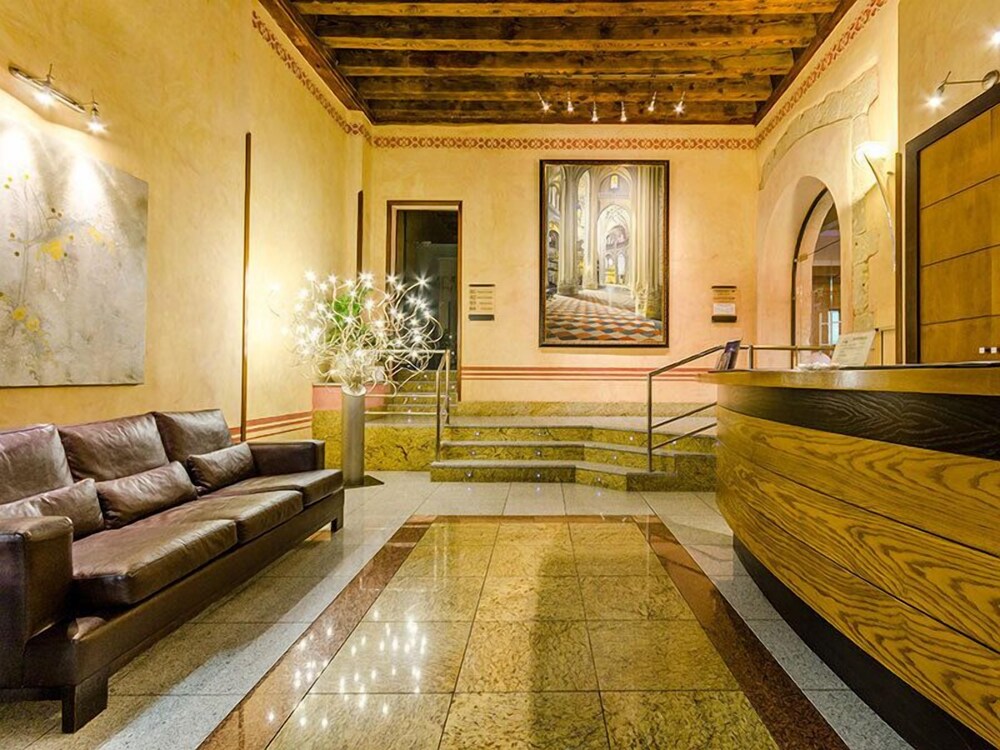
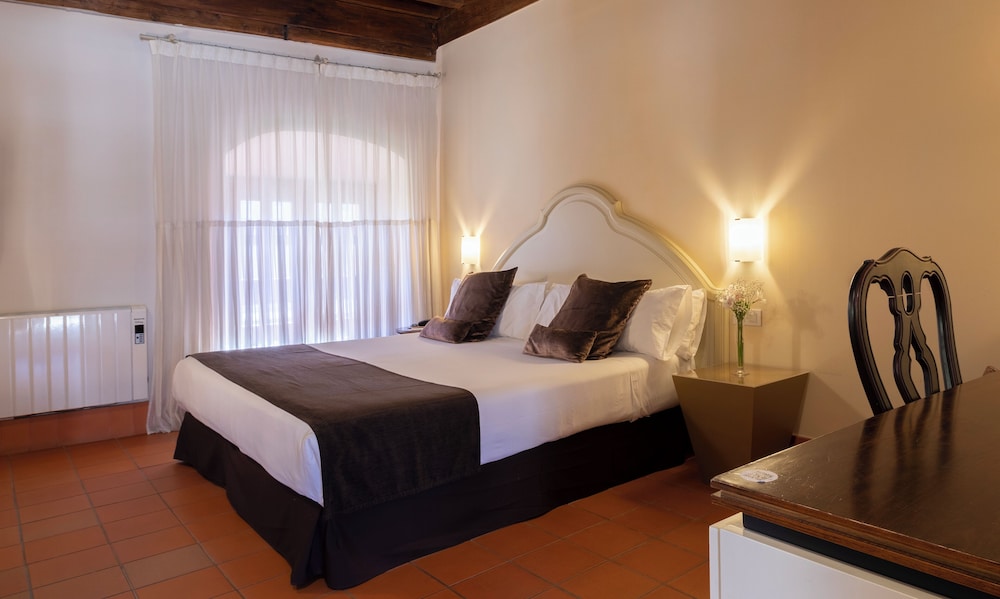
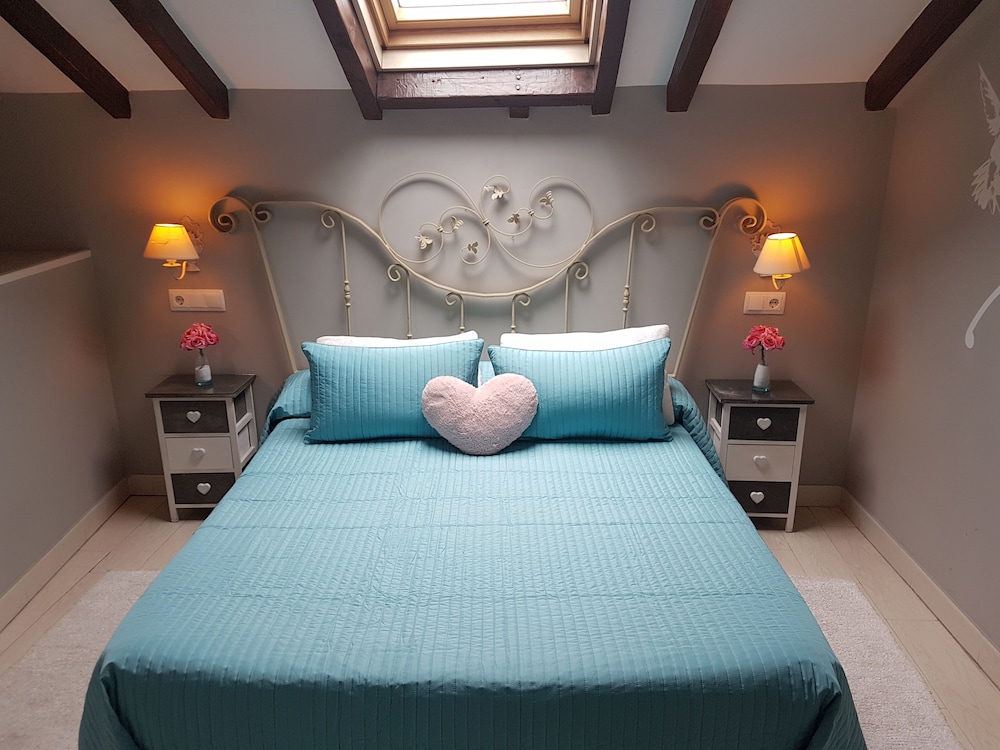
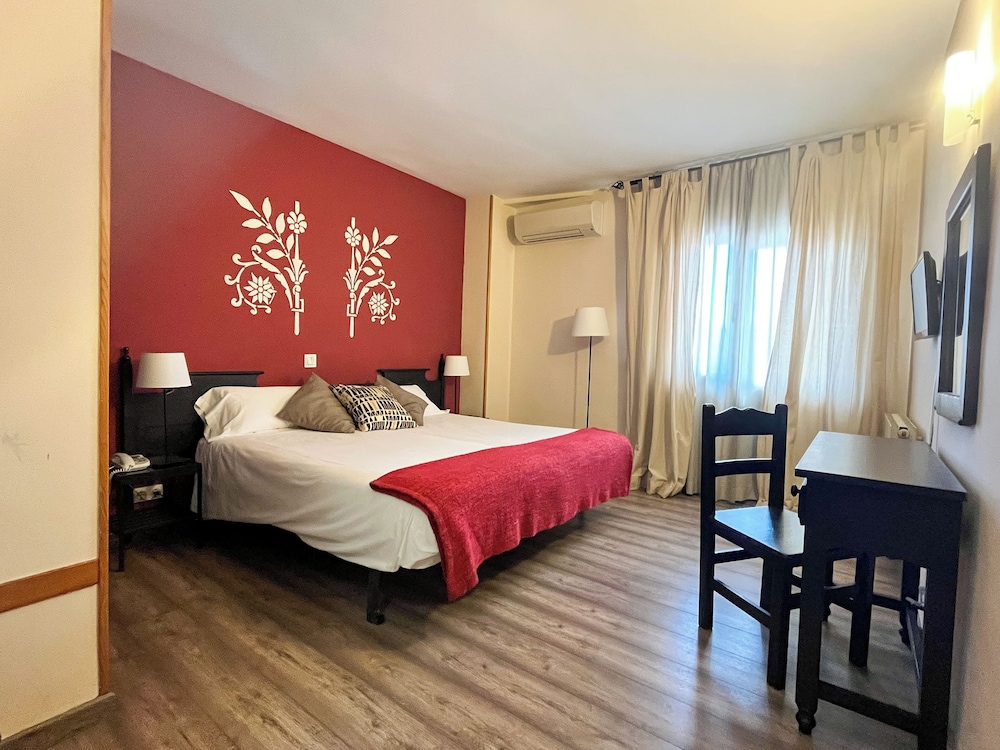
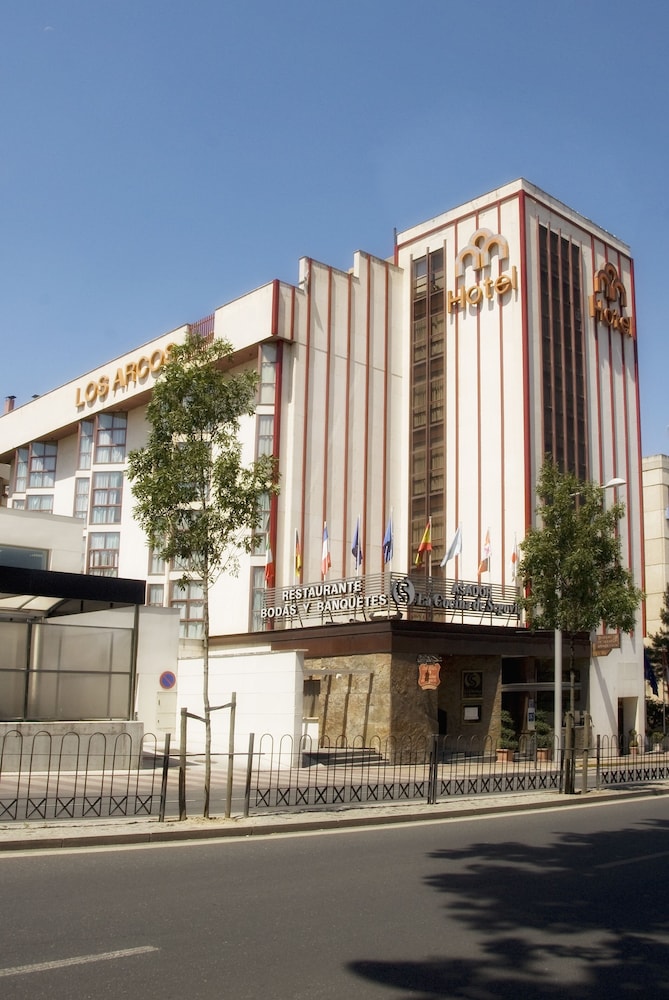
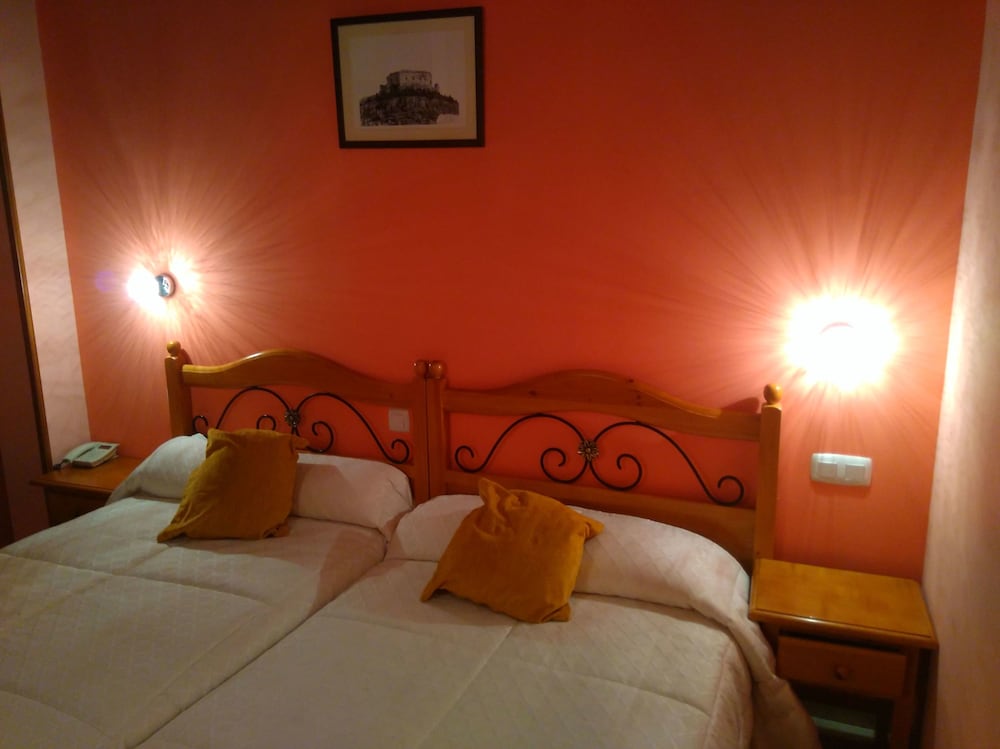
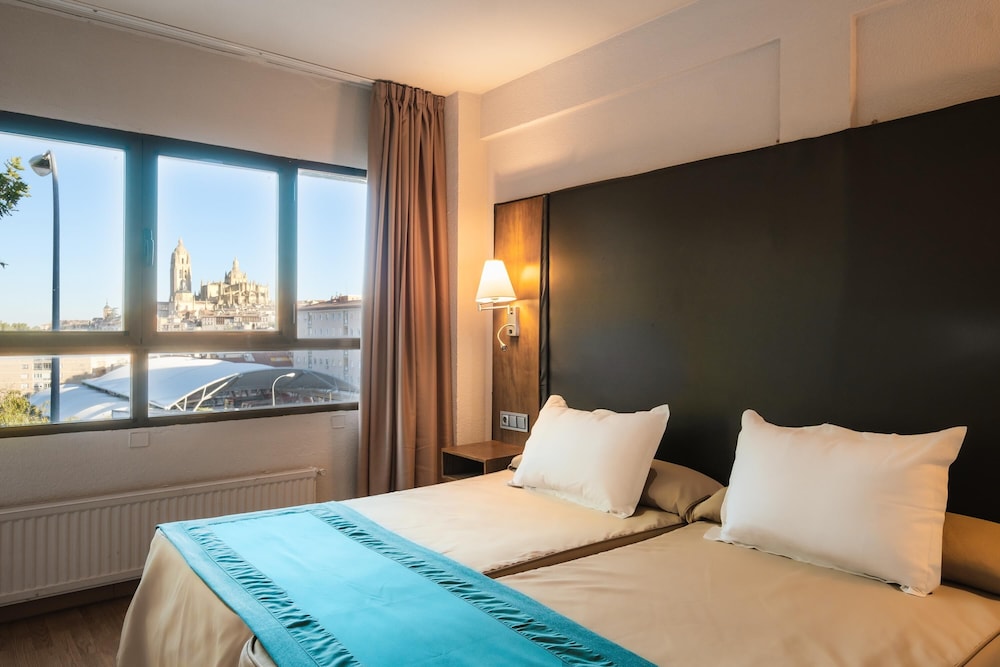
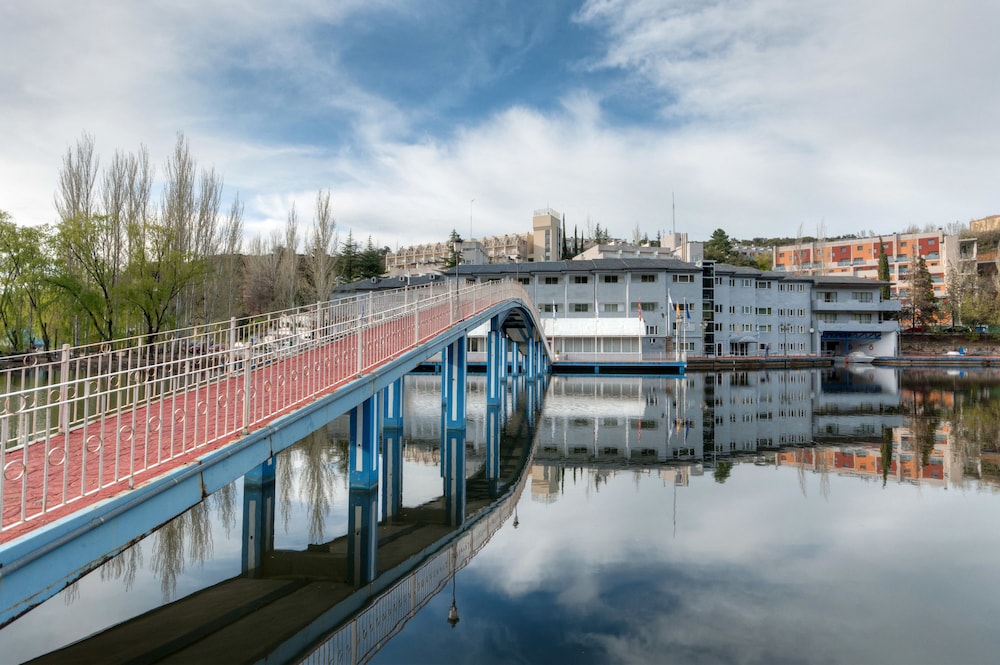
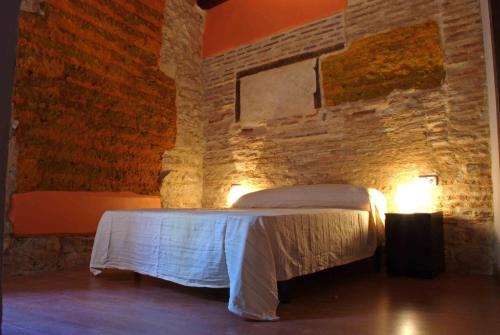
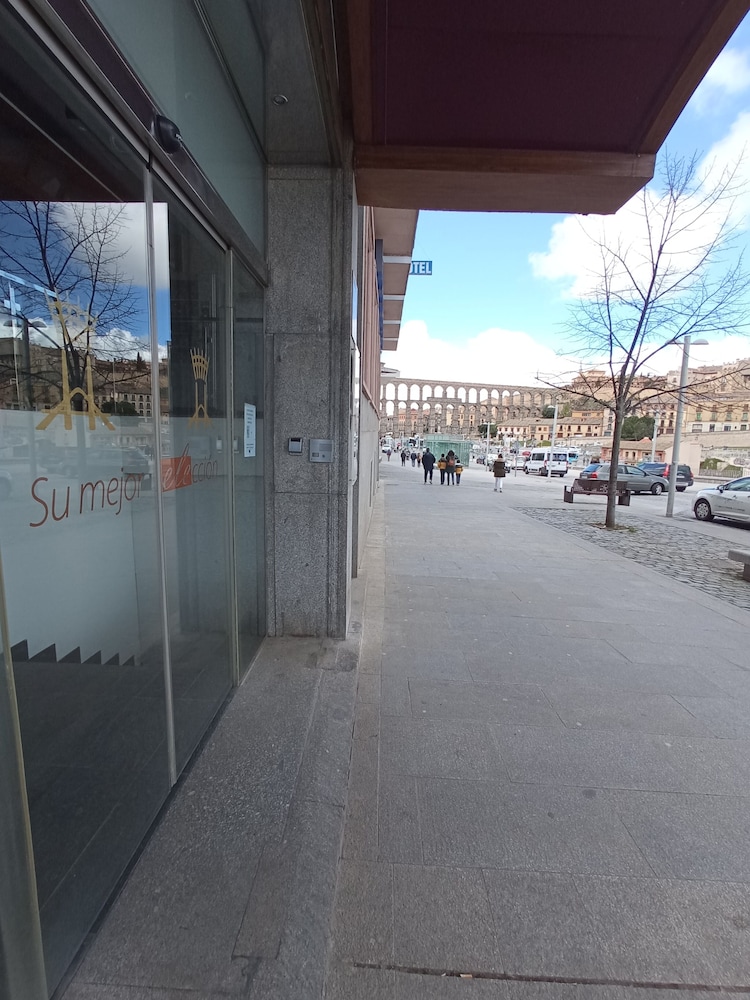
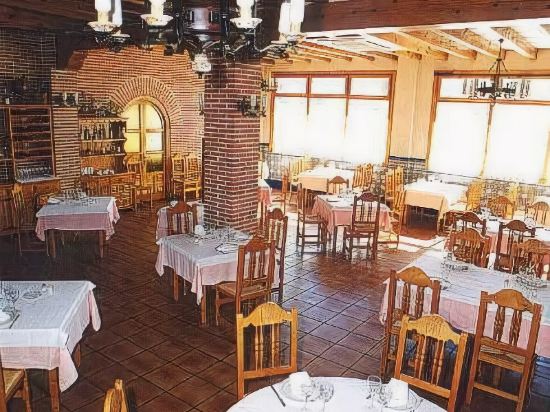
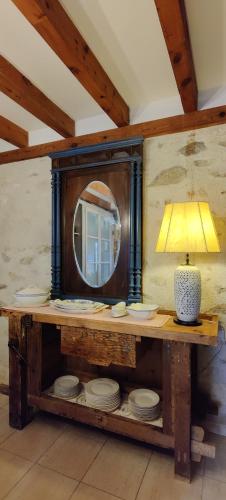
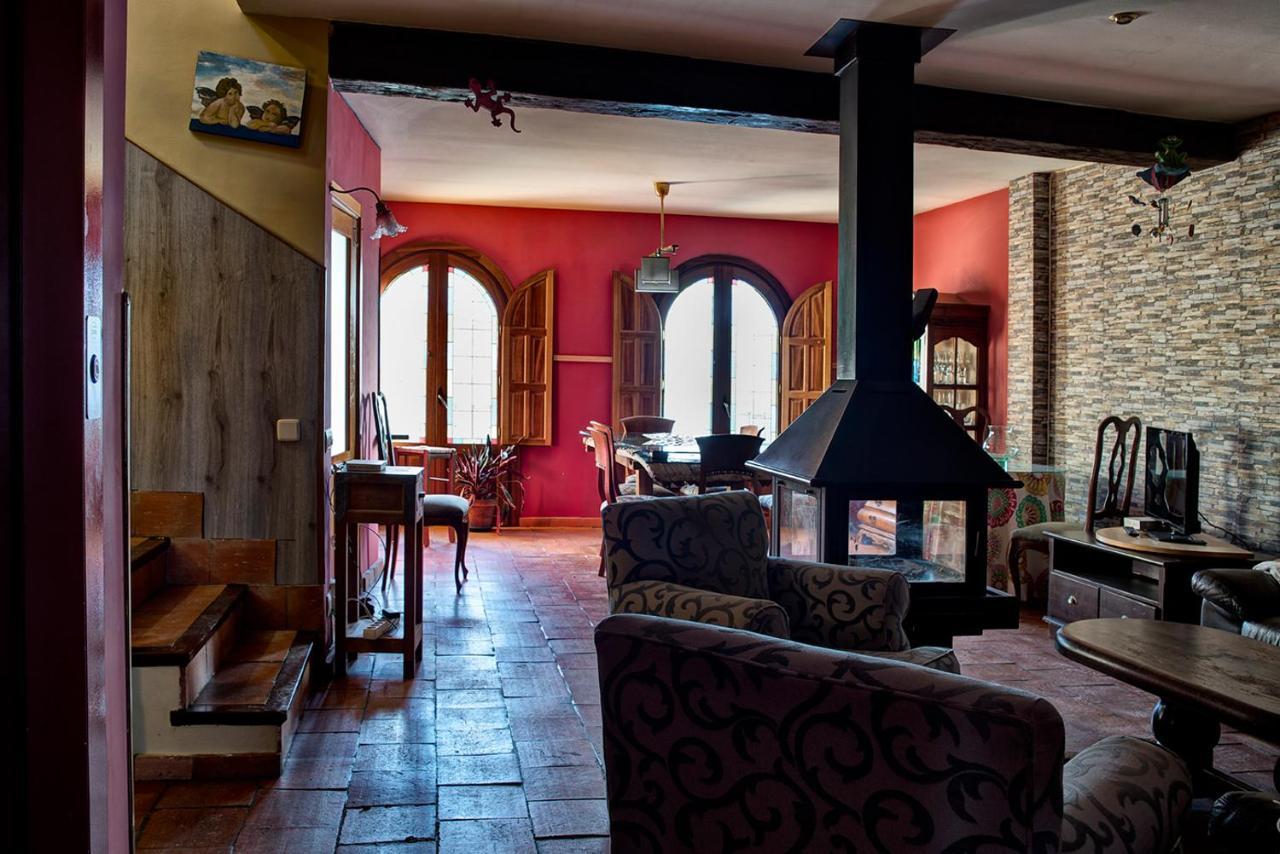
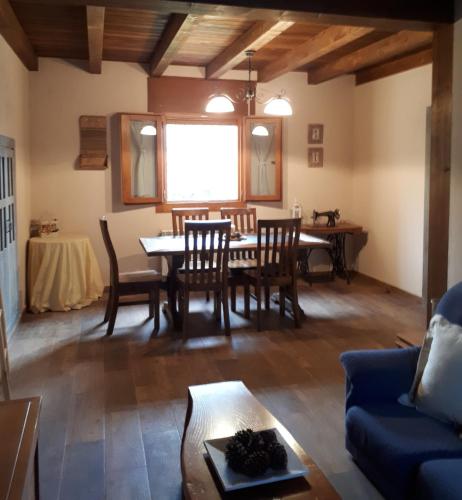









Where to stay in Segovia: the areas compared
Stay in the Casco Antiguo if it is your first visit — the walled old town puts the Cathedral, Plaza Mayor, Calle Real and the Alcázar within a ten-minute walk of each other, and you pay for it, with 3-star doubles typically €75–120 midweek and 4-star rooms €110–180. The Judería, the lanes between Calle Judería Vieja and the Puerta de San Andrés, is the same postcode but quieter at night, with small hotels and apartments looking over the Clamores valley. San Millán, just below the walls around its 12th-century Romanesque church, is the value pick: five minutes on foot to the aqueduct at Plaza del Azoguejo, walking distance to the bus station on Paseo Ezequiel González, and usually €20–30 a night cheaper than the same standard inside the walls. El Salvador, San José and La Albuera are ordinary residential barrios east and south of the aqueduct where a clean double often lands at €50–70, with a 10–15 minute walk into the centre.
North and below the city, San Marcos sits in the Eresma valley beneath the Alcázar, next to the Vera Cruz church and the Monasterio de El Parral — lovely for the riverside walk, but every return trip is a steep climb. San Lorenzo, across the river with its brick-towered Romanesque church and village square, is cheap and genuinely local, around 20–25 minutes uphill to Plaza Mayor. Nueva Segovia and San Cristóbal de Segovia are car-and-bus territory, worth it only if the rate is well under €60. For castle and palace visitors, the out-of-town bases pay off: Real Sitio de San Ildefonso and La Granja put you at the palace gates 11 km away and 190 m higher, which matters in July; Torrecaballeros on the N-110 is 11 km out among the asadores; Valsaín and Palazuelos de Eresma sit on the edge of the Sierra de Guadarrama National Park; and posadas in Pedraza, Sepúlveda, Turégano, Cuéllar, Coca and Ayllón let you wake up inside a walled village rather than driving to one.
Best time to visit Segovia, month by month
September and early October are the best all-round months in Segovia: daytime highs around 24°C, the Hay Festival in mid-September filling the old town, and hotel rates a clear step below the spring peak. January and February are the cheapest and the coldest — the city sits at 1,005 m and overnight lows of -3°C are normal, with snow on the Guadarrama — and doubles that cost €120 in April go for €55–70. The one February exception is the Sunday nearest 5 February, when Santa Águeda in Zamarramala fills every bed within a few kilometres of the city. March and April are unpredictable weather-wise and expensive around Semana Santa, when rooms in the Casco Antiguo commonly double and two-night minimums appear on the Friday and Saturday.
May is busy: Titirimundi, the international puppet festival, takes over the streets for around nine days mid-month, and 30 May is one of the three dates when all the fountains at La Granja de San Ildefonso run. Late June brings the city fiestas of San Juan y San Pedro, roughly 24–29 June, and prices climb accordingly. July and August hit 32–35°C in the afternoon but cool sharply after dark; the first two Saturdays of July are the Noches de las Velas in Pedraza, which sells out beds for 30 km around, 25 July and 25 August are the other two full-fountain days at La Granja, and the last week of August brings the Cuéllar encierros, the oldest running bull-run in Spain. November is the quietest month of the year outside the Christmas period, while the puentes — 1 May, 15 August, 12 October, 1 November and 6–8 December — are short, sharp spikes when Madrid arrives en masse.
Getting around Segovia, the airport and the province
Inside the walls you walk; a car is a liability there. From Madrid, the AVE from Chamartín reaches Segovia-Guiomar in about 27 minutes, with fares roughly €13–25 depending on how far ahead you book, and Guiomar sits 5 km south-east of the centre — urban bus lines 11 and 12 meet the trains and drop you at the aqueduct in around 15 minutes, or a taxi runs about €10–12. Coming from Madrid-Barajas, the simplest chain is Cercanías C-1 from T4 to Chamartín in around 12 minutes, then the AVE. The Avanza coach from Madrid Moncloa takes about 1h15 and arrives at the bus station on Paseo Ezequiel González, a five-minute walk from San Millán and the aqueduct. By car it is roughly 95 km from Barajas, 1h15–1h30 via the M-40 and the AP-6/AP-61 tolls, or free over the Alto del León on the N-603 at 1,511 m.
Within the city, the distances are small: Plaza del Azoguejo to the Alcázar is about 1.3 km along Calle Real, San Lorenzo to Plaza Mayor is 20–25 minutes with a real climb, and San Marcos to the Alcázar is short but steep. The trap is parking — traffic in the Casco Antiguo is restricted, most old-town hotels have no garage of their own, and an underground space costs roughly €14–20 a day. For the province, a car is close to essential: La Granja is 11 km on the CL-601, Riofrío 11 km, Torrecaballeros 11 km on the N-110, Turégano 34 km on the CL-603, Pedraza 37 km, Coca 52 km, Sepúlveda around 58 km and Cuéllar 60 km, and the public buses to most of those run once or twice a day on weekdays only. La Granja is the exception, with a frequent urban-style bus taking about 25 minutes.
How many nights in Segovia, and what to do with them
Two nights is the minimum that makes Segovia more than a Madrid day trip, and three or four is right if the castles are the reason you came. Day one: the aqueduct at Plaza del Azoguejo — 813 m of it, 28.5 m high at the tallest point — then Calle Real up to Plaza Mayor and the Cathedral, the last great Gothic cathedral built in Spain, at about €4 to enter. Finish at the Alcázar, roughly €9 for the palace with a few euros more for the 152 steps of the Torre de Juan II, and walk out through the Puerta de Santiago into the Eresma valley for the Vera Cruz church and El Parral. Book cochinillo asado for the evening; a full roast menu at one of the old asadores runs €30–40 a head.
Day two belongs to Real Sitio de San Ildefonso: the Palacio Real de La Granja at around €9, the gardens free, and if you have timed it for 30 May, 25 July or 25 August, the full fountain display. Riofrío and its deer estate is 11 km further south, and Valsaín puts you at the Boca del Asno entrance to the Sierra de Guadarrama National Park. With a third night, pick one direction: north-east for Pedraza’s walled square and Zuloaga’s castle plus Sepúlveda and the Hoces del Duratón vulture cliffs, or north-west for the mudéjar brick of Coca and the Alburquerque castle at Cuéllar. A fourth night lets you add Turégano’s fortified church-castle and Ayllón’s red-stone square, 95 km out on the N-110.
What accommodation actually costs in Segovia
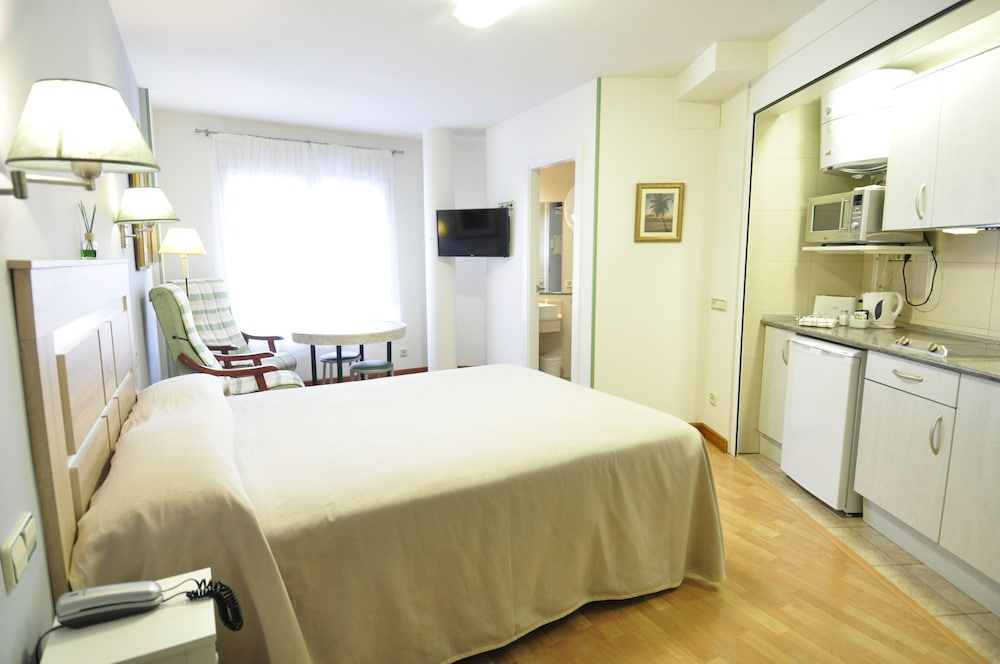
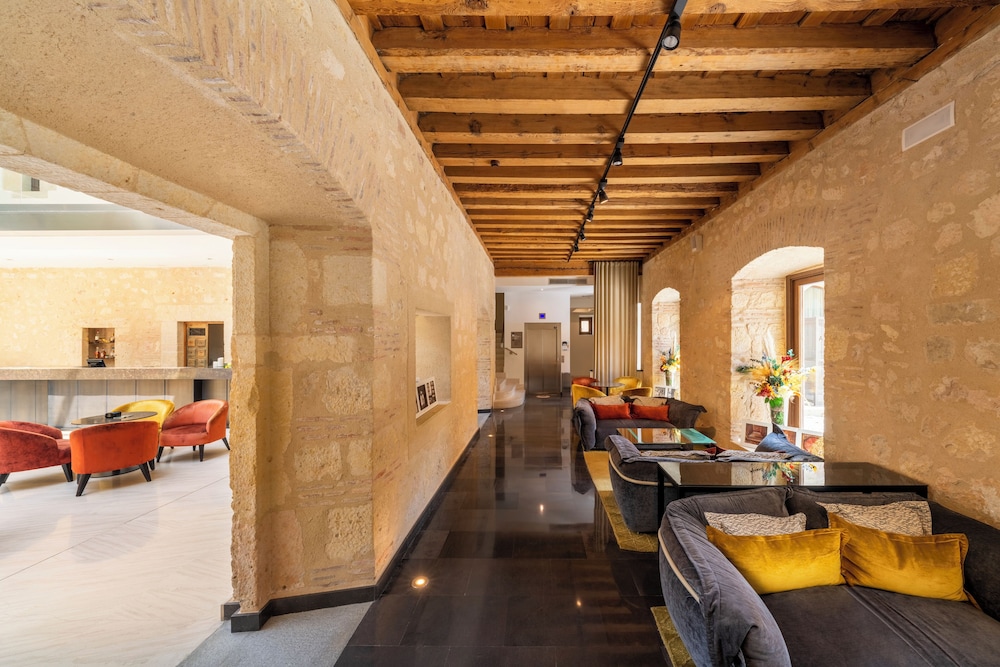
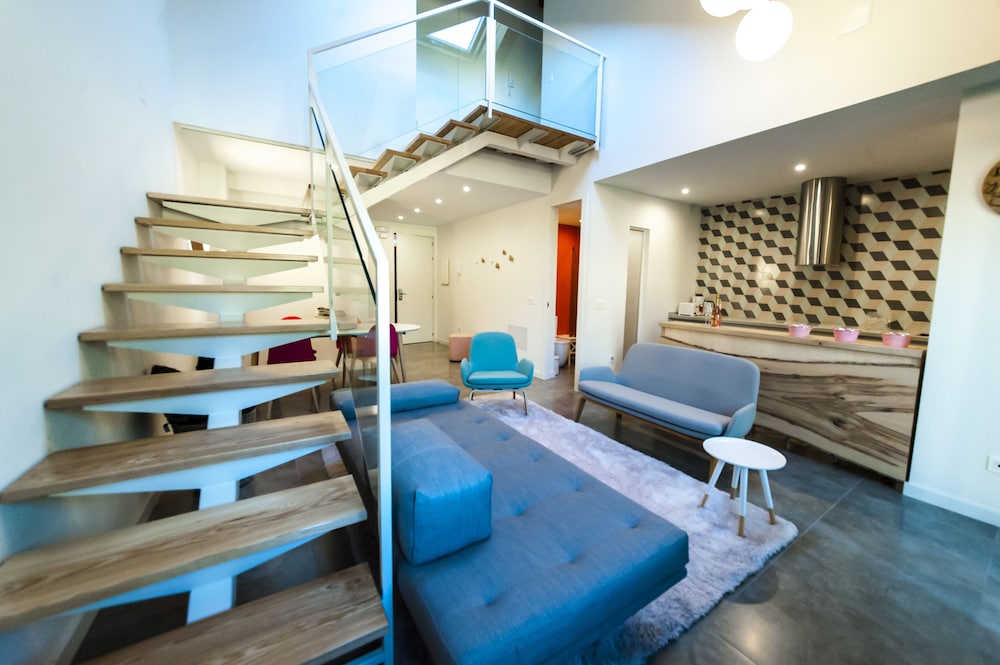
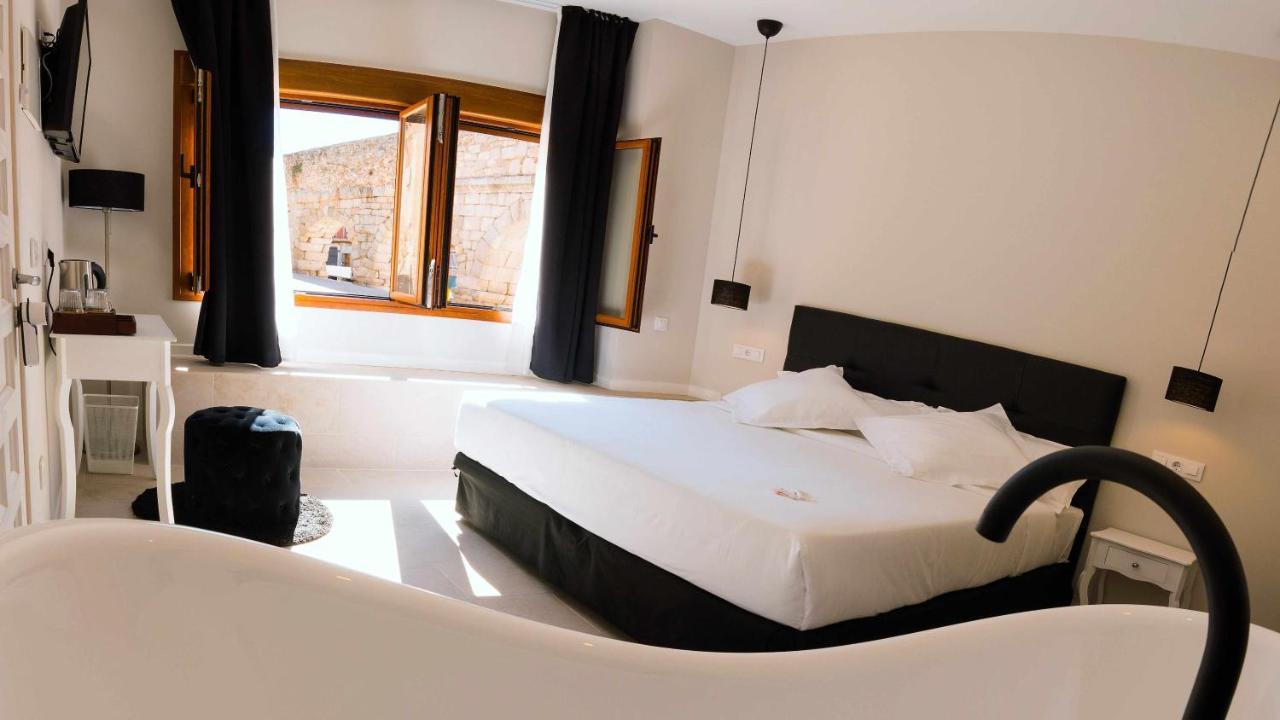
Budget in Segovia means €45–70 for a double in a hostal or 2-star in San Millán, El Salvador, San José or Nueva Segovia midweek, rising to €70–95 on a Saturday. Mid-range 3-star inside the Casco Antiguo or the Judería sits at €75–120 Sunday to Thursday and €110–160 on Friday and Saturday, usually in a converted townhouse with small rooms, thick walls and no lift. The top end — 4-star conversions near Plaza Mayor and the Parador on the hill with the city view — runs €110–180 midweek and clears €200 at Semana Santa and during the San Juan y San Pedro fiestas at the end of June. Breakfast is rarely included and costs €8–14; add €14–20 a day if you need to park in the centre.
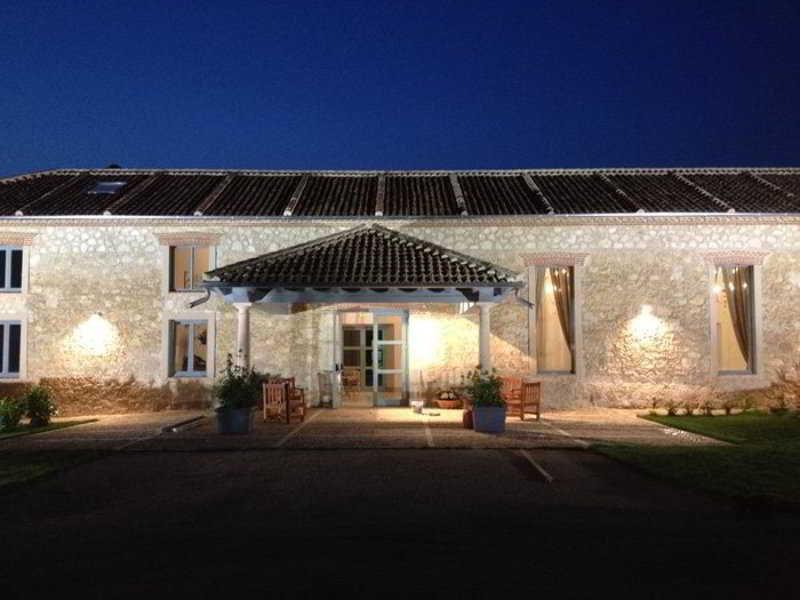
The rhythm to understand is that Segovia is Madrid’s day trip, so demand is concentrated on Saturday night. The same room can move €40 between a Tuesday and a Saturday in the same week, and a Sunday-to-Thursday stay is the single easiest saving available here. Village posadas in Pedraza, Sepúlveda, Turégano and Ayllón charge €80–130 and often impose a two-night minimum on weekends, particularly during the Pedraza candle nights in early July. La Granja and Palazuelos de Eresma tend to run €70–110 and hold their prices better in August, when the altitude makes them noticeably more comfortable than the city.
Castle opening days, and the base people wrongly skip
The trap unique to this province is assuming the castles keep city hours. Most of them do not: Pedraza’s castle, home to the Zuloaga collection, opens only on a limited run of days and closes for stretches of winter; Coca is run by the town on guided visits at around €3 with fixed departure times; Cuéllar sells timed guided and theatrical tours rather than free entry; and Turégano’s Iglesia-Castillo de San Miguel is a working church inside a fortress with its own restricted timetable. Monday closures are common across the province, including the Palacio Real de La Granja and Riofrío, so a Monday castle day can leave you with three locked gates and 120 km on the clock. Check each site’s own calendar before you fix the driving route, and treat the last admission — often 60 to 90 minutes before closing — as the real deadline.
The base people wrongly skip is Real Sitio de San Ildefonso. Visitors treat La Granja as a two-hour stop, but staying there means the gardens at opening time before the coaches, dinner in the village, and Valsaín’s pine forest and the Guadarrama trails ten minutes away — all 11 km from the aqueduct on the CL-601, at 1,192 m where August nights are 4–5°C cooler than in the city. Zamarramala, 3 km north, is the other overlooked option, with the Vera Cruz church below and the best long view of the Alcázar from the Mirador de la Pradera de San Marcos side. Both work only with a car or a willingness to use the La Granja bus, but both are cheaper than the Casco Antiguo for the same standard of room.