Coca
Tiny village fifty kilometres northwest of Segovia, visited almost exclusively for its spectacular fifteenth-century Mudéjar brick castle.
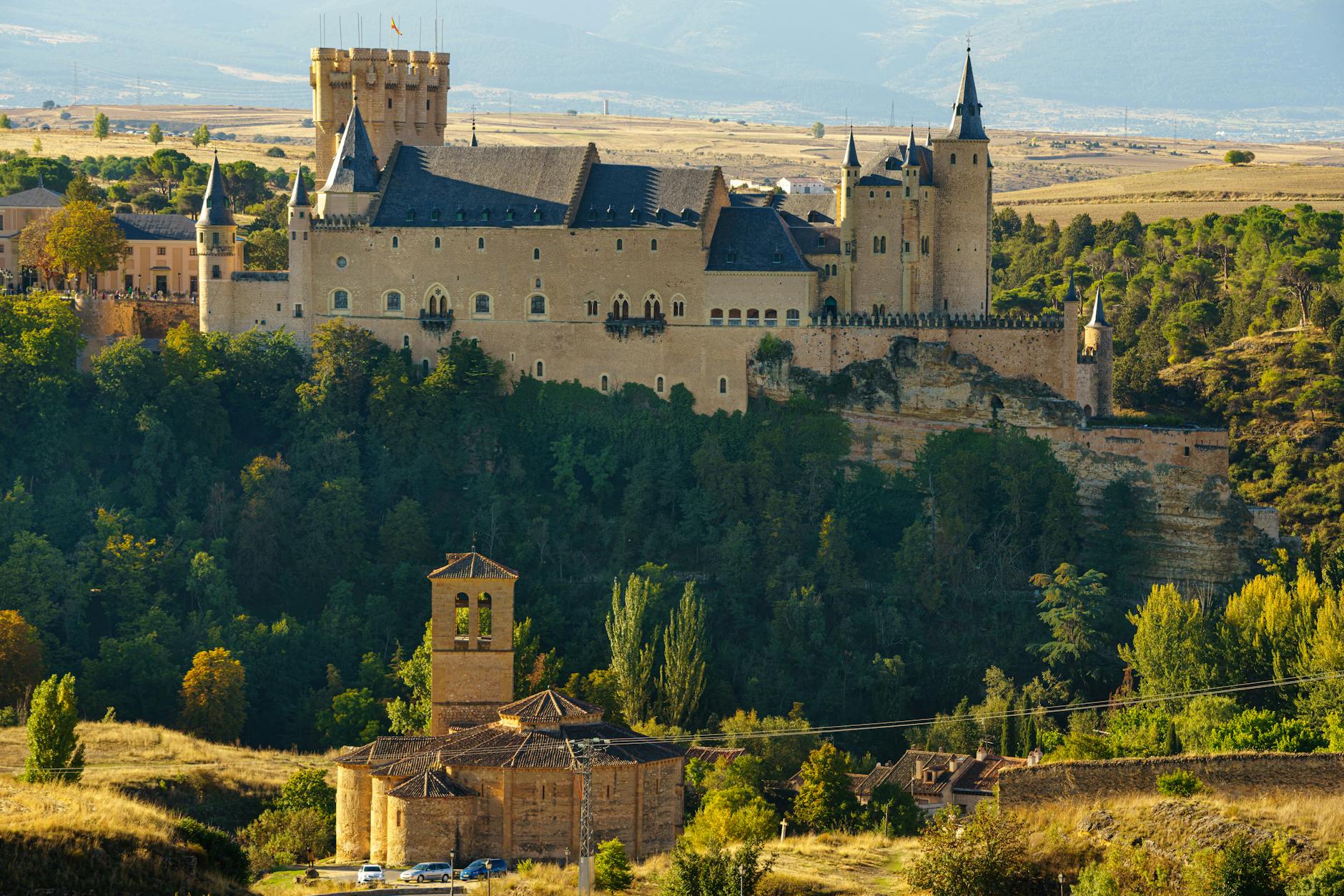
 Red brick castle with towers and moats at Coca
Why people stay in Coca
Coca is a village of twelve hundred, flat and unremarkable except for one thing: the Castillo de Coca, a fifteenth-century fortress built entirely of brick, rising from dry moats like a sandcastle turned to stone. The castle is one of the finest examples of Mudéjar military architecture in Spain, its turrets and battlements intact, its interior a warren of vaulted halls and spiral staircases. It opens daily for guided tours, €3 entry, and the forty-minute visit is worth every cent. Outside the castle, Coca offers almost nothing—one modest church, two small hotels, a handful of bars, and streets lined with low ochre houses.
The castle dominates the village both physically and economically. Most visitors arrive midday, tour the fortress, eat a quick lunch, and leave. The two hotels are basic, charging €45 to €65 a night, and occupancy is low except Spanish holiday weekends. The village has no shops worth the name, no nightlife, and no secondary attractions. The surrounding landscape is flat pine forest and farmland, featureless and dry. Coca is a one-sight destination, and unless you are very slow-paced or very interested in brick construction, two hours covers it.
The castle tour is in Spanish only but the architecture is self-explanatory: climb the towers, walk the ramparts, explore the chapel and the keep. The brick detailing is extraordinary—geometric patterns, corbelled arches, herringbone courses—and the condition is near-perfect thanks to twentieth-century restorations. Photography is allowed. The moats are dry and grassy, good for a picnic if you bring food from elsewhere because the village has no groceries or bakeries.
Skip Coca if you are not interested in castles or if you have already visited Cuéllar, whose castle is larger and sits in a more functional town. Come here if you want to see a Mudéjar fortress in pristine condition without crowds, or if you are driving the Segovia-to-Valladolid route and need a worthy stop.
Two small hotels, both basic. Hostal Castillo is the better of the two, on the approach road to the castle, charging €50 to €70 a night for clean simple rooms with ensuite bathrooms. The other is a rural inn on the edge of the village, cheaper but poorly maintained. Neither offers wifi that works reliably, and breakfast is basic. Book by phone; online listings are sparse. Staying overnight makes sense only if you are touring the region slowly and want extreme quiet. Otherwise visit on a daytrip from Cuéllar or Segovia.
Things to do in Coca

The castle opens daily 10.30am to 1pm and 4.30pm to 6pm, closed Mondays, €3 entry. Guided tours run every half hour, last forty minutes, and are in Spanish only. You climb the towers, walk the battlements, explore the Gothic chapel, and descend into the cellars. The brick architecture is stunning and the condition is near-perfect. Photography allowed. Buy tickets at the kiosk by the entrance; no advance booking needed.

The dry moats surrounding the castle are deep and grassy, accessible for free outside the castle walls. Walk the full perimeter to see the fortress from all angles and appreciate the defensive design. The walk takes twenty minutes and the best views for photography are from the northwest corner in late afternoon light.
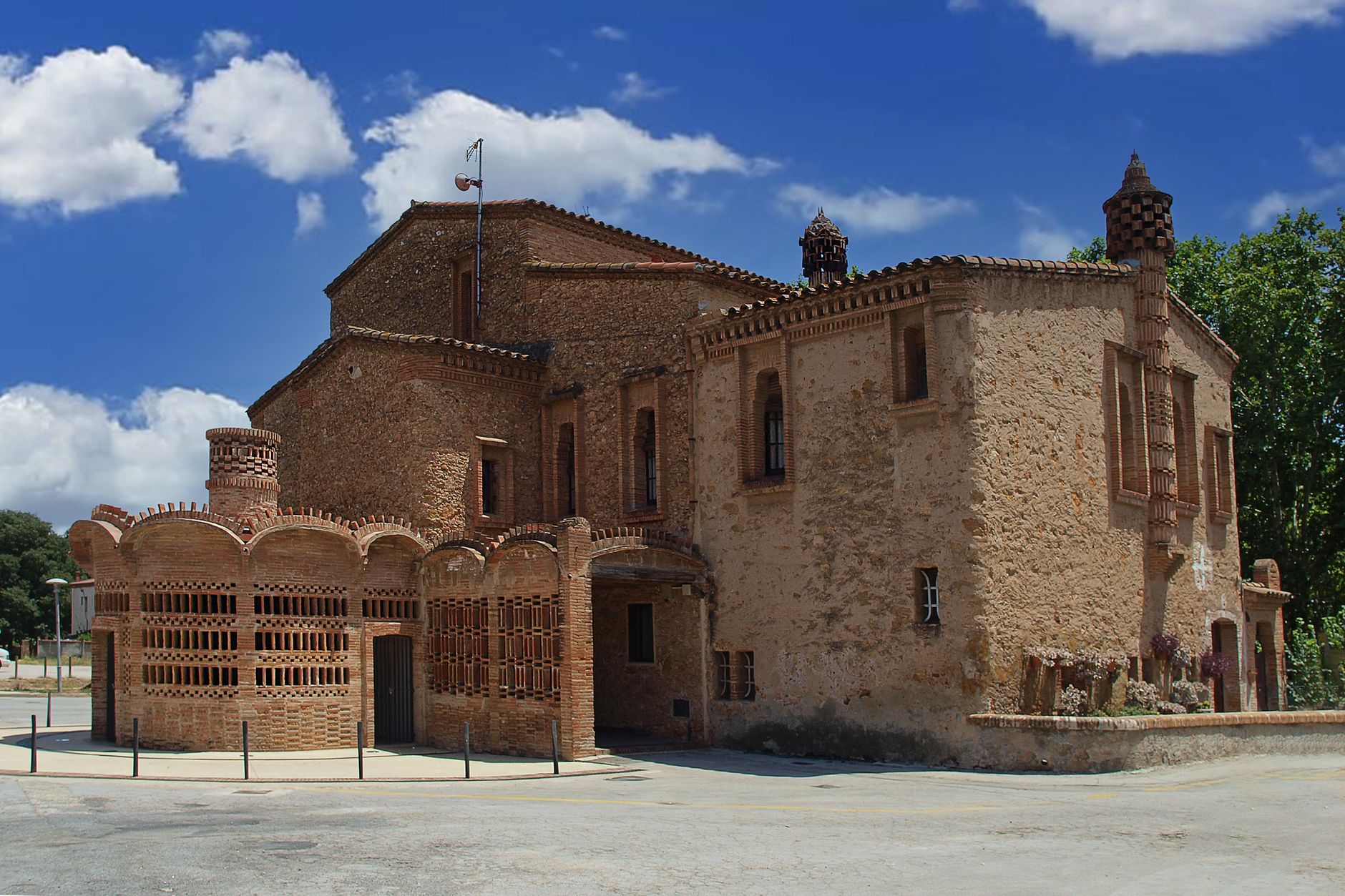
The village church sits on the main plaza, a modest late-Gothic building with a brick tower and a plain whitewashed interior. It opens for Sunday 11am mass and occasional weekday mornings. The carved altarpiece is worth a look if you catch it open; otherwise the exterior is unremarkable. No entry fee.

One of two places serving sit-down meals in the village, located near the plaza. Menu del día €12, simple Castilian fare: roast chicken, grilled pork, lentil stew. The quality is acceptable, the portions are large, and the service is friendly. Open daily for lunch; evenings Friday and Saturday only. No reservations needed.

A dirt track leaves the south edge of the village and enters the Pinares de Coca, a flat municipal pine forest. Walk two kilometres south to the site of Roman brick kilns, now just low mounds and broken tiles, but interesting if you connect the dots to the castle's material. Round trip takes an hour, flat and shaded, no signage. Bring water.
What to see
Hotels near Coca
No hotels are listed in Coca yet. The nearest ones are on the region page.

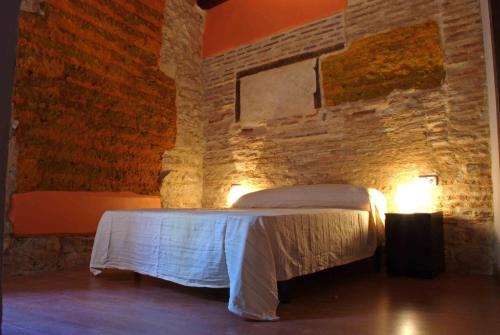
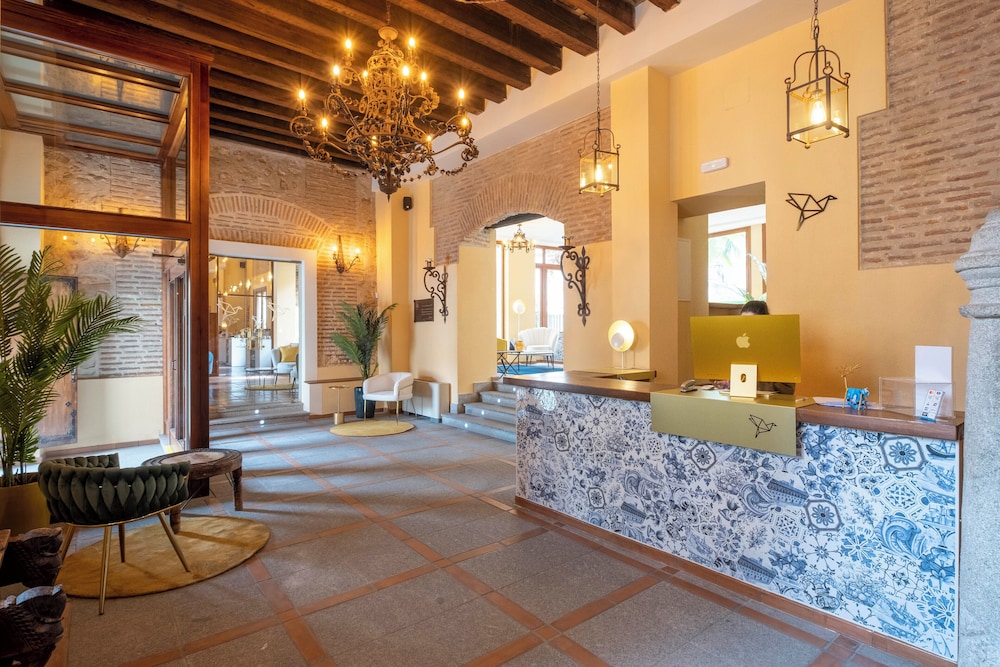
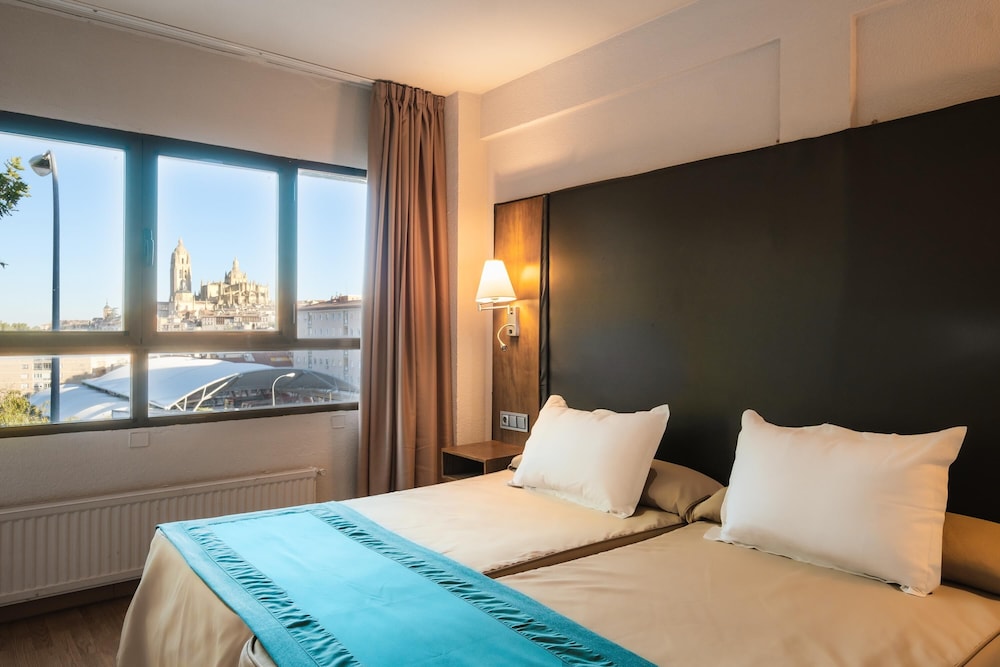
Every hotel we cover in Coca
- Caballero de Castilla 4★ · 5/5
- La Candela 3★ · 4.9/5
- Rincon Naif 3★ · 4.8/5
- El Descanso de Los Lares 4★ · 4.6/5
- Aire De Pinares 4★
- Casa Jardín El Arco 4★
- Casa Rural Dona Catalina 4★
- La Casa de Los Dos Rubios 4★
- Los Olivos 4★
- Los Segadores 4★
- Tiara Vacaciones 4★
- Apartamentos Alameda 3★
- Apartamentos la Rocanda 3★
- Bulevar Suite 3★
- Casa Rural En Los Trigales 3★
- Casa Rural La Gurriata 3★
- Casa Rural Las Barricas 3★
- La Nava casa de pueblo con patio y calefacción con chimenea 3★
- La Via Verde 3★
- Los Alisos Segovia 3★
- San Isidro 3★
- Casa rural El Arroyo 1★
- Hotel Fray Sebastian 1★
- Señorío de los Fonseca 1★
Getting around Coca
Coca has no train station and no regular bus service. From Madrid-Barajas airport rent a car and drive northwest via the A-6 and SG-342, ninety minutes total. From Segovia city take the N-110 and SG-342 northwest for fifty kilometres; the drive takes fifty minutes through pine forest. From Cuéllar it is fifteen kilometres southwest, twenty minutes. There is free parking by the castle and throughout the village. A car is essential unless you take a taxi from Cuéllar, which will cost €25 each way and requires prebooking the return.
Questions about Coca
Yes, if you care about medieval military architecture or Mudéjar art. The brick detailing and the condition are exceptional. If castles do not interest you, skip it—there is nothing else in Coca to justify the drive.
Two hours is enough: forty minutes for the castle tour, twenty minutes to walk the moats, an hour for lunch. Staying longer requires genuine enthusiasm for small-village silence.
No. Entry is by guided tour only, and the tours run on a fixed schedule. You cannot wander the castle independently. If you miss a tour time, you wait for the next one.
Yes. The castle tour involves climbing stairs and walking battlements, which children generally enjoy, and the moats are safe for running around. The village is quiet and car-free in the centre. There are no dedicated children's attractions, but the castle itself is engaging.