The 6 best wine trips in Segovia province, ranked
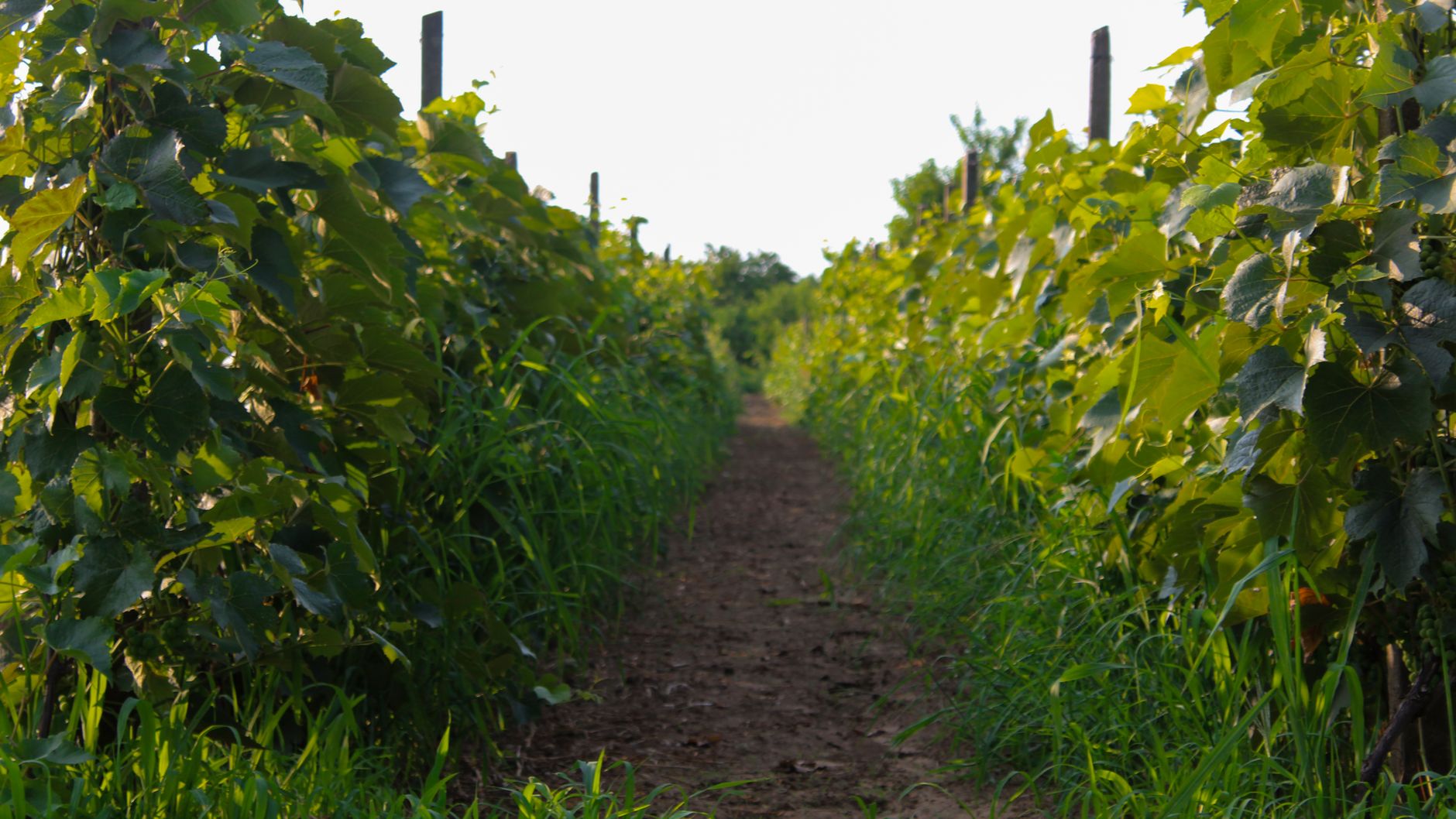 Old bush-trained verdejo vines on sandy soil in western Segovia province
Segovia province holds vineyards in three separate denominations and almost nobody visits them — six wine outings ranked, with drive times, harvest dates and what a tasting costs in euros.
Three denominations, one province
Most visitors assume Segovia is a place you drink wine rather than grow it, which is wrong on three counts. The western corner of the province, on sandy soils around Nieva and Santiuste de San Juan Bautista, falls inside DO Rueda and grows verdejo, including ungrafted old vines that survived phylloxera because the sand defeated the louse. The far north, around Valtiendas and Sacramenia, has its own small denomination working tempranillo at 900 m. And four villages in the province's northern tip — including Montejo de la Vega de la Serrezuela and Honrubia de la Cuesta — sit inside DO Ribera del Duero.
The catch is scale. These are small producers, several of them cooperatives or family operations of a few thousand cases, and almost none run the drop-in visitor centres you find in Rioja or the Rueda heartland. Visits mean phoning or emailing days ahead, tastings usually cost €10 to €25 a head, and Sundays and August are difficult. The Consejo Regulador of each denomination publishes member lists with contact details, which is the correct starting point. Everything below assumes a car, a designated driver, and a willingness to plan.
1. Old-vine verdejo around Nieva
This is the trip with genuine wine-world significance. On the deep sands south of the Duero around Nieva, Santiuste de San Juan Bautista and Aldeanueva del Codonal, bush-trained verdejo vines of a hundred years and more still produce tiny yields, and several respected Rueda producers source or make here specifically for that fruit. The wines have a texture and bitterness at the finish that the flatter, machine-harvested valley floor cannot match. Standing in a sand vineyard where each low vine sits metres from the next tells you more about Spanish viticulture than any cellar tour.
It is 40 to 50 km west of Segovia, 40 minutes on the CL-605, so this is a comfortable morning out. Arrange visits in advance through the Consejo Regulador of DO Rueda; tastings typically run €12 to €20 including three or four wines. Build the day around Santa Maria la Real de Nieva, where the Dominican monastery has a fourteenth-century cloister with outstanding carved capitals and costs only a couple of euros, and eat lunch in one of the village restaurants for €14 to €18 on the weekday menu. Harvest is late August into September and visits then are hectic but atmospheric.
2. Valtiendas and the northern reds
DO Valtiendas is one of Spain's smallest denominations, recognised in the late 2000s and covering a scatter of villages around Valtiendas, Sacramenia, Fuentiduena and Torreadrada, high on the plateau at 900 to 1,000 m. Tinta del Pais — tempranillo — grown that high ripens slowly and keeps acidity, and the best bottles read like a leaner, more herbal cousin of Ribera at a fraction of the price: €8 to €15 in the village shops for wines that would cost double under a famous label.
The drive is 70 km north, about an hour via the SG-205 and the local roads past Cantalejo, and this is the outing to combine with the Duraton gorges — Sepulveda is twenty minutes away. Visitor facilities are minimal; expect a cooperative or a small family cellar, a tasting at €10 to €15 if arranged ahead, and no English. Stop in Sacramenia to see the Cistercian monastery whose cloister was dismantled in the 1920s and shipped to the United States, where it was rebuilt in Florida. Second place because the wine is exciting and the logistics are not.
3. Segovia's Ribera del Duero villages
Few people realise that DO Ribera del Duero reaches into Segovia province at its northern extremity, taking in Aldehorno, Honrubia de la Cuesta, Villaverde de Montejo and Montejo de la Vega de la Serrezuela. You are on the far edge of a famous region here, 100 km and about an hour and a half from Segovia, which is why it ranks third: the driving is real and the cellars are few. What you get in exchange is Ribera without the tasting-room queues, and prices in village bars that would embarrass anything in Aranda.
The reason to go is the pairing. Montejo de la Vega sits beside the Hoces del Riaza, the gorge where a griffon vulture refuge was established in the mid-1970s after a campaign by the naturalist Felix Rodriguez de la Fuente, and the cliffs hold one of Europe's densest colonies. Walk the gorge viewpoints in the morning — access is restricted in nesting season, so check with the refuge — eat lechazo at midday for €25 to €30, and taste in the afternoon with a driver who is not drinking. Make it an overnight rather than a day trip if you can.
4. The underground cellars of the villages
Across the plateau, generations of families dug bodegas subterraneas into hillsides and under their own houses: tunnels three or four metres down with a chimney to vent fermentation, cool at a steady 12 degrees, where the household made its own wine long before any denomination existed. In wine villages such as those around Nieva and Santiuste, and in Cuellar's outskirts, whole hillsides are pocked with these ventilation chimneys, which look from a distance like small stone beehives. Many are still used as private social clubs — a place to eat chorizo and drink the family wine in August.
Fourth because access depends entirely on knowing someone or on a village opening one for visitors, which some do by arrangement through the town hall. When it happens it is the most memorable wine experience in the province and typically costs nothing or a token €5. Ask at municipal tourist offices in advance rather than turning up hopefully. If you strike out, the surface evidence is still worth photographing, and the wine museums and interpretation centres attached to some cooperatives cover the same history with a guaranteed door.
5. Drinking well without leaving the city
If you do not have a car, this is your denomination tour. Segovia's wine bars and the better restaurants list Rueda verdejo, Ribera tinto and, increasingly, Valtiendas bottles by the glass at €2.50 to €4.50, which means you can taste all three of the province's denominations in one evening on foot for under €20. The old-town shops along the streets between Plaza Mayor and the aqueduct stock local labels for €7 to €18 a bottle, and the staff in the specialist ones will actually explain the difference between a stainless-steel verdejo and a barrel-fermented one.
How to do it properly: start with a verdejo and a plate of Cantimpalos chorizo at 19:30 in a bar outside the walls, move to a Ribera or a Valtiendas red with torreznos, and finish with a glass of something aged near Plaza Mayor. Avoid the terraces directly beneath the aqueduct, where the same glass costs 40 per cent more and the pour is smaller. Fifth on the list because it is a substitute for the vineyards rather than the thing itself — but it is the best-value wine evening in the province.
6. Over the border to the Rueda heartland
Honesty requires this entry to be last despite being the best-organised wine tourism within reach. The famous Rueda cellars — the ones with visitor centres, scheduled tours in English, shops and restaurant partnerships — cluster around La Seca, Rueda and Serrada in Valladolid province, about 100 to 110 km northwest of Segovia and an hour and a half each way on the CL-601 and A-6. If your priority is a slick, bookable tasting rather than a discovery, go there and accept that you have left Segovia.
Costs run €15 to €30 for a standard tour and tasting, more for premium experiences with food, and most operate on fixed slots with online booking, which is exactly what the Segovian producers do not offer. The efficient compromise is to combine it with Medina del Campo and its enormous castle, making a full day of it. But if you only have one wine day and you are based in Segovia, spend it in Nieva instead: same grape, older vines, a quarter of the visitors and half the driving.
Driving, harvest timing and what to buy
Spain's blood alcohol limit is 0.5 grams per litre, dropping to 0.3 for drivers with less than two years' licence, and enforcement on rural roads at weekends is real. On any vineyard day, one person does not drink; the tasting cellars are used to it and will provide water and spittoons if you ask. Rural taxis exist but are scarce and expensive over these distances — reckon €80 to €120 for a return run out to the western villages — so a designated driver or a private guide with a car is the realistic answer.
Harvest runs from late August for verdejo through late September and into October for tempranillo at altitude, and it is both the most interesting and the worst time to expect attention from a small producer. May, June and early October give you working cellars and time to talk. For buying: the western verdejos and the Valtiendas reds are the two things you cannot easily get outside the province, so fill the boot there rather than in the city shops. Confirm every visit by phone the day before; small cellars change plans.
Before you book
The questions people ask about Segovia, answered with this month’s numbers.
Rarely. Most producers in DO Rueda's Segovian villages and in Valtiendas are small family operations or cooperatives without permanent visitor staff, so a phone call or email a few days out is essential. Tastings typically cost €10 to €25 a head. Sundays and much of August are difficult everywhere.
A handful of small local guides run private vehicle-and-tasting days, generally quoted per group rather than per person and often in the €200 to €350 range for a full day for four. Ask at the tourist office in Plaza Mayor for current operators, and confirm what the price includes before booking.
Same principal grape, tempranillo, but Valtiendas sits higher and cooler at around 900 to 1,000 m, so the wines tend to be leaner, more herbal and lower in alcohol, with less new oak. They also cost far less: €8 to €15 buys a serious bottle where Ribera equivalents start well above that.
Not to the vineyards, realistically. Buses serve the western villages on schedules built around residents, not visitors. The workable alternative is to taste all three provincial denominations by the glass in Segovia's wine bars for €2.50 to €4.50 each, and buy bottles in the old-town specialist shops.