The 7 best Segovian dishes that aren’t cochinillo, ranked
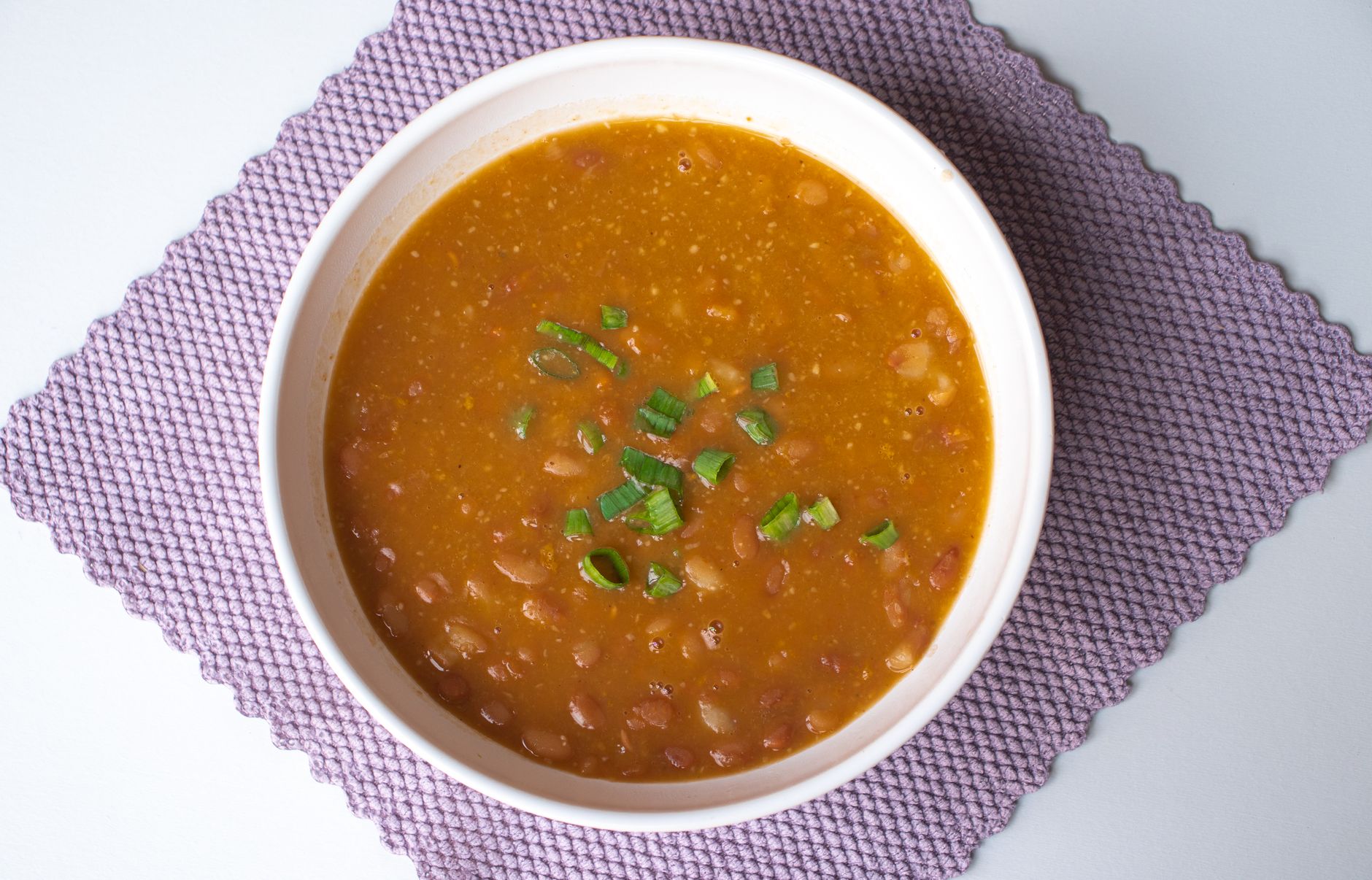 Clay bowl of large white beans stewed with chorizo, a Segovian speciality
Suckling pig is one dish out of a much longer local repertoire; here are 7 other things Segovia does properly, ranked, with what each should cost.
Why look past the pig
Roast suckling pig is Segovia's calling card, it has protected geographical status, and a good one is worth the €28-34 a head it costs. But it is a single dish, it takes ninety minutes at the table, and eating it twice in a three-day trip is a mistake. The province has a deeper larder than the tourist menus suggest: mountain beans, lamb from the plateau, garlic soup engineered for a 1,000 metre winter, forest mushrooms, river trout, and a cake with a name people argue about. That is what this ranking covers.
I have ranked by three criteria: how specific the dish is to Segovia rather than to Castile generally, how reliably you can find a good version, and how well it suits a visitor's day. Prices below are what you should expect in 2026 in a decent local restaurant rather than a tourist trap on the main pedestrian street. As a benchmark, a weekday menu del dia in the city runs about €14-20 for three courses with wine and bread, and that menu is where several of these dishes are cheapest and best.
1. Judiones de La Granja
The big flat white beans grown around La Granja de San Ildefonso, 11 km uphill from the city, are the province's finest ingredient and the dish named after them is the finest thing you can eat here. Slow-stewed with chorizo, morcilla, pork ear and a little pig trotter, they arrive in an earthenware dish, buttery rather than mealy, in a broth the colour of brick from smoked paprika. A full ration is €14-18 in the city and a similar price in La Granja itself, and it is a meal on its own.
It ranks first because the bean is genuinely local, protected by a guarantee mark, and impossible to reproduce properly with a supermarket haricot. Eat it in La Granja on a cold day after the palace gardens, when the altitude of 1,190 metres justifies the calories, or in a Segovia bar as a shared starter for two before you order anything else. Vegetarians can sometimes find a version stewed without meat, but ask rather than assume. Buy a bag of the dried beans to take home; they cost around €10-14 a kilo and keep for months.
2. Cordero lechal asado
Milk-fed lamb, quartered and roasted in a wood-fired clay dish with nothing but water and salt, is the other half of Castile's roasting tradition and in much of Segovia province it beats the pig. A quarter serves one generously and costs €26-32, usually with a wait of 45 to 60 minutes unless the kitchen has one already going. The skin should crackle, the meat should come off the bone at a fork's suggestion, and the juices at the bottom of the dish are the point.
Where matters more than what. Sepulveda, 60 km north, has built its reputation on lamb and has several asadores clustered near the church of El Salvador; Turegano and Pedraza are equally serious about it. In the city you can eat it well, but the villages do it with more conviction and often for a few euros less. Ring ahead at weekends, particularly in villages where a single oven serves the whole dining room. Second only because it is Castilian rather than exclusively Segovian, and because you may already know it from Aranda or Burgos.
3. Sopa castellana
Garlic soup: stale bread, garlic, sweet paprika, water or light stock, olive oil, sometimes a little cured ham, and an egg poached in the broth or baked on top in the bowl. It costs €8-12 and it is what the plateau invented to survive January at altitude. A good one has enough paprika to stain the spoon and bread that has surrendered completely. A bad one is red water with croutons in it, and you will know within two spoonfuls which you have got.
Third because it is cheap, ubiquitous, and utterly of this place, but quality varies more than any other dish here. Order it as the first course of a menu del dia in a bar that fills with workers at 2pm and your odds are excellent. Skip it in July, when 32°C and hot garlic soup do not belong in the same afternoon; from November to March it is arguably the best-value plate in the city. Ask for it with the egg if the menu does not specify, because the version without is a lesser thing.
4. Ponche segoviano
A layered sponge soaked in syrup, filled with pastry cream, wrapped in marzipan, dusted with icing sugar and scored into a caramelised lattice. It was created by a Segovian confectioner in the twentieth century and it is now the sweet everybody carries out of the city in a box. A slice with coffee runs €3-4.50; a whole small cake is €12-20 depending on size. It is rich, cool, and considerably better than the words marzipan-topped sponge suggest to anyone who dislikes marzipan.
Fourth because it is a pastry rather than a meal, but it earns its place: this is the one Segovian speciality that travels, keeps a few days and requires no reheating. Buy it from a proper pasteleria rather than a souvenir shop; the long-established confectioners on and around Calle Isabel la Catolica sell the benchmark version and will box it for travel. Eat a slice mid-afternoon rather than after a suckling pig lunch, when you will not have room and will blame the cake rather than the pig.
5. Torreznos and chorizo de Cantimpalos
Torreznos are strips of cured pork belly fried until the rind blisters into glass and the meat underneath stays soft; a plate is €6-10 and it is the single best thing to order with a beer at 1pm. Chorizo de Cantimpalos, from the village 15 km north on the road to Cuellar, carries protected geographical indication status and is drier and sweeter with paprika than most Spanish chorizo. Sliced as a tapa, cooked into the bean stew, or eaten in a bread roll, it is the province's charcuterie signature.
Fifth because these are bar food rather than a destination meal, and because the quality of a torrezno depends entirely on the fryer's attention that morning. Look for a bar where a plate is going out to every second table. In Cantimpalos itself several producers sell direct, and a vacuum-packed ring at €12-18 a kilo is a better souvenir than most. A caution worth stating: three or four torreznos are a tapa, a full ration is lunch, and the two are not interchangeable at this altitude with wine.
6 and 7. River trout, and autumn mushrooms
Trout from the Eresma and the Duraton has been on Segovian tables since long before anyone kept records, usually fried with a slice of jamon inside it or served cold in escabeche with vinegar, bay and paprika. Expect €12-16 for a plate. Escabeche is the version worth seeking out, because it is a genuinely old preserving technique that survives here as a summer starter rather than a curiosity. It is sixth because trout is common across northern Spain, but the escabeche preparation is a regional habit worth trying.
Seventh, and only for the right weeks: mushrooms from the pine forests. From roughly late September through November, depending on rainfall, the pinares around Cuellar, Nava de la Asuncion and Valsain produce niscalos, the orange saffron milk caps, plus boletus in good years. Restaurants across the province put them on the specials board, grilled with garlic and parsley or scrambled with eggs, at €12-18. Outside that window the same dish arrives frozen or preserved and is not the same thing at all. Ask whether they are fresh before ordering.
How to eat all of this in three days
Day one: garlic soup and torreznos at a bar lunch, then judiones in the evening. Day two: drive out for roast lamb in Sepulveda or Turegano at 2.30pm, eat nothing else until a slice of ponche with coffee at six. Day three: the suckling pig you came for, booked and taken slowly, with trout escabeche as a starter. That sequence spreads the heavy dishes and leaves you capable of climbing back up to the Alcazar afterwards, which is not guaranteed if you eat two roasts on consecutive days.
Timing rules that matter here. Lunch is the serious meal: kitchens run roughly 1.30pm to 4pm and the menu del dia is a weekday lunchtime thing only. Dinner starts at 8.30pm at the earliest and many village restaurants do not serve it at all midweek, so plan the drive accordingly. Book asadores for weekend lunch, since the ovens are finite. And skip the fixed tourist menus advertised in four languages on the pedestrian stretch between the aqueduct and the Plaza Mayor; walk two streets off it and pay less for better.
Before you book
The questions people ask about Segovia, answered with this month’s numbers.
Judiones de La Granja. It is specific to the province, it costs €14-18 rather than the €28-34 of a roast, it arrives in fifteen minutes rather than an hour, and it works as a shared plate for two people who then still have appetite for a dessert or a second course.
Less than in coastal Spain, but the situation is workable. Garlic soup is sometimes made meat-free, mushroom dishes in autumn are excellent, and grilled vegetables, salads and tortilla are everywhere. Judiones are usually stewed with pork, so ask. Say sin carne y sin jamon explicitly, because ham is often not counted as meat.
Typically late September to November, driven entirely by autumn rainfall, with niscalos the most common find and boletus in good years. Restaurants advertise them on specials boards when supply arrives. Outside that window, assume preserved or frozen product and ask the waiter directly whether the mushrooms are fresh.
A weekday menu del dia with three courses, bread and a drink runs about €14-20 in the city and slightly less in villages. Bar lunching on torreznos, a slice of chorizo and a bowl of soup with a beer lands around €12-15 a head and is often the better food.