Segovia with limited mobility: a two-day itinerary for slower walkers and wheelchair users
 Level granite paving in front of Segovia cathedral with the Plaza Mayor arcades behind
A realistic two-day plan for a city built on a 30-metre rock, with a level upper-town loop of under 2 km, three viewpoints reachable by car, and honest notes on the four places where the gradient beats you.
The terrain, described honestly
Segovia's old town sits on a limestone and granite spur between two river valleys, and the Plaza del Azoguejo under the aqueduct is roughly 30 metres below the Plaza Mayor. The main street climbs that in about 600 metres, so the average gradient is manageable at around 5 per cent, but there are steeper pinch points near the Casa de los Picos and the surface is granite setts throughout, laid with joints wide enough to grab a small caster. Anyone using a manual chair should plan on an assistant for that climb, or bypass it entirely with a vehicle.
The good news is that once you are on top, the upper town is close to flat. From the Plaza Mayor west to the cathedral, along Calle Marques del Arco and Daoiz to the Alcazar forecourt, is around 450 metres with a gentle descent of perhaps 15 metres, largely on smooth paving with dropped kerbs at the crossings. That corridor is the spine of this itinerary. Everything I have left out of the plan is left out because it involves stairs, a 12 per cent slope or an unlit dirt path, and I say which below rather than pretending otherwise.
Getting into the upper town without the climb
Taxis are the practical lift. A ride from the aqueduct up to the Plaza Mayor costs in the region of €6 to €8 and takes four minutes on the ring route, and drivers are used to the request. Adapted vehicles with ramps exist in the city fleet but the number is small, so book by phone the day before rather than hoping at a rank; ask your hotel to make the call in Spanish if that is easier. If you are arriving from Segovia-Guiomar station, 6 km out, agree the drop-off point with the driver, because the Plaza Mayor has restricted vehicle access at certain hours.
Urban buses in the city are modern and generally low-floor with a ramp, and line 11 links Guiomar with the centre timed around train arrivals. Confirm the accessible-vehicle position and the fares with the municipal operator, since fleet and timetable details change. Blue-badge parking bays exist near the Plaza Mayor, the cathedral and the Alcazar approach, and reciprocal recognition of foreign disabled parking cards is normal in Spain but worth verifying with the town hall. Underground car parks near Padre Claret and the Azoguejo have lifts but leave you at the bottom of the hill.
Day 1, 10:30: the level loop from Plaza Mayor
Start with a coffee under the north arcades of the Plaza Mayor, which is flat, wide and has level access to most terraces. At 11:00 cross to the cathedral. The main body of the building is on one level with a ramped side entrance in normal use, and the interior is vast and uncluttered, which makes it one of the easiest major monuments in Castile to move around; there may be a step or two at the cloister threshold, so ask at the desk when you buy the ticket, which costs around €4. The tower climb is stairs only and not part of this plan.
Come out at 12:00 and take Calle Marques del Arco west. This is a quiet, largely level street of sgraffito facades and small palaces, with cafes that put tables out on the flat. In ten unhurried minutes you reach the open ground in front of the Alcazar, which is level, paved and free, and gives you the fortress from the front with the sierra behind. That is the single best accessible photograph in the city, and getting to it has cost you no gradient at all.
Day 1 afternoon: what is worth entering, and what to skip
The Alcazar is a mixed case. The route through the palace rooms is at one level in parts but the building is medieval and there are thresholds and short flights between spaces; the Torre de Juan II is 152 steps and should be written off immediately. Ring or email ahead to ask exactly which rooms are reachable and whether staff can route you around any obstacles, and decide based on their answer rather than on a website badge. Entry is around €10 for palace and museum, and if the answer is discouraging, the free forecourt view is a decent consolation.
Skip four things without guilt. The descent to the Pradera de San Marcos is steep, long and unforgiving on the return. The Cuesta de los Hoyos path along the Clamores valley is unpaved and pitched. The Casa-Museo of Antonio Machado is a narrow lodging house with upper floors and stairs. And the walk out to the Vera Cruz church, while flat once you are there, involves either a serious hill or a car. Two of those can be solved with a taxi, and the Vera Cruz is the one worth solving.
Day 1, 17:00: three viewpoints you can reach by car
Hire a taxi for an hour, agree a price of roughly €30 to €40 before you set off, and do a viewpoint circuit. First, the Alto de la Piedad on the Zamarramala road northwest of the city, where the whole rock lines up in profile from aqueduct to Alcazar and there is space to pull in. Second, the car park beside the Vera Cruz church, which gives the classic angle across the Eresma and has a short level approach, though the twelve-sided church itself has a step at the door.
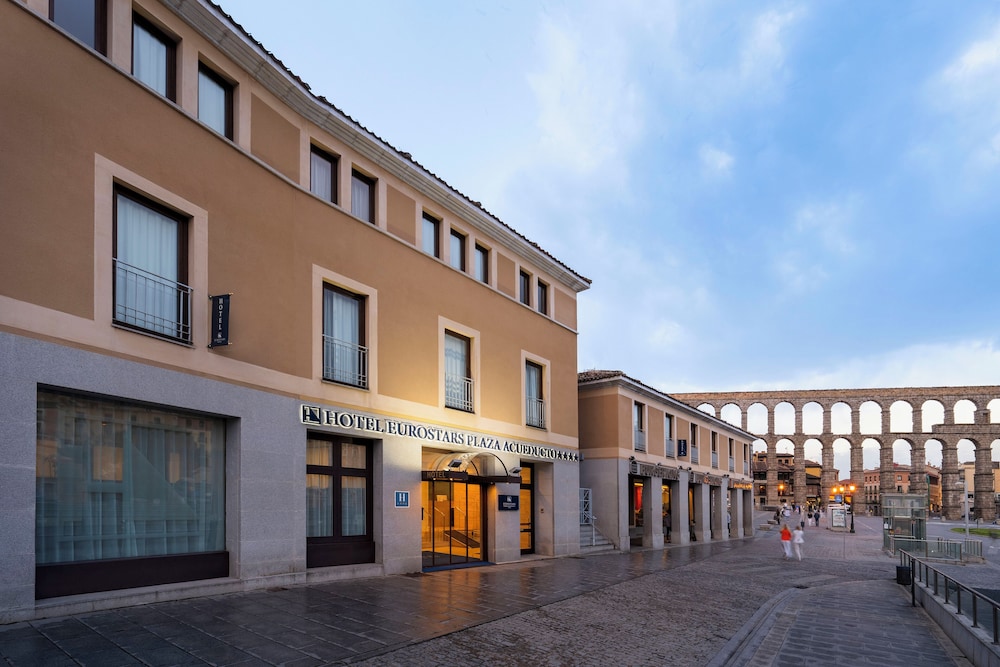
Third, the ridge road on the north side towards Valladolid, where the hotel terraces look straight across at the city and the sunset lands on the cathedral apse around 21:30 in June and 18:15 in January. Ask the driver to finish at the Plaza del Azoguejo so you can see the aqueduct from the flat ground at its base, which is the one great monument here that requires no climbing at all. Wheelchair users should note the plaza is level but the setts are large and uneven near the piers.
Day 2: La Granja and Riofrio, the flat day out
Drive or taxi 11 km up the CL-601 to La Granja de San Ildefonso, 20 minutes, where the royal gardens are the most accessible landscape in the province: kilometres of broad, largely level compacted gravel avenues under enormous trees, with benches every hundred metres and gentle slopes rather than steps on the main axes. Entry to the gardens is free at usual times. The palace interior has historic thresholds and its lift provision should be confirmed with Patrimonio Nacional before you go, along with opening hours, which change by season.
In the afternoon, take the 20 km run southwest to Riofrio, where an eighteenth-century palace sits inside a walled deer park you drive through slowly, with fallow deer grazing under the oaks a few metres from the car. It is the least demanding sightseeing in the province and the most surprising. Between the two, lunch in La Granja on judiones, the local white beans, at €12 to €16; several restaurants on the grid of streets around the palace have level entrances, but the older ones have a step, so look before you commit to a table.
Where to sleep, and the questions to ask before booking
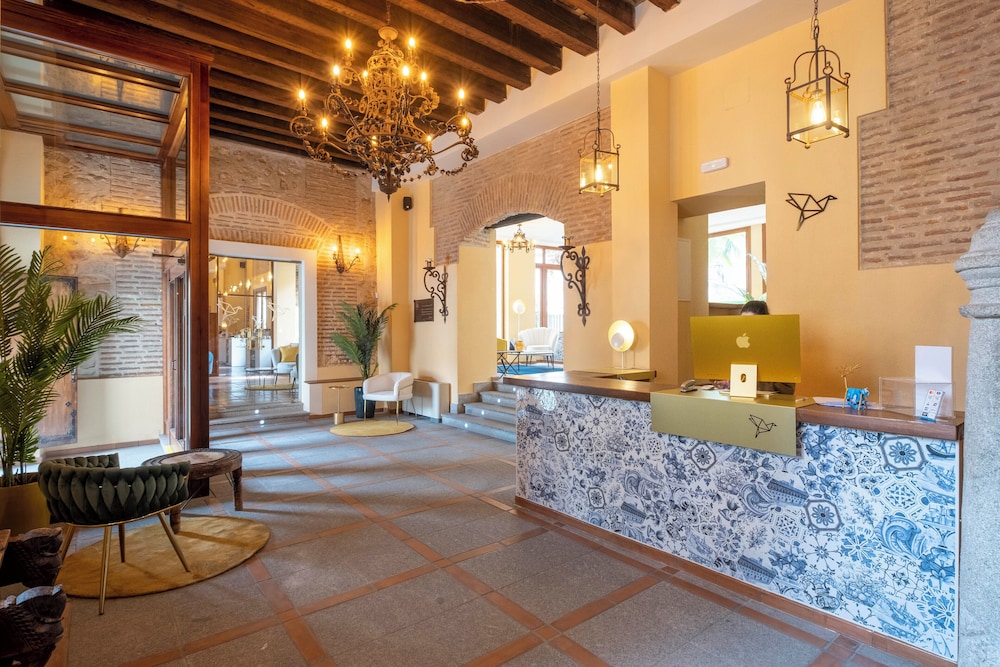
Old-town hotels are romantic and frequently unsuitable. Many occupy listed sixteenth-century houses with a step at the door, a small lift that stops half a floor short, and a bathroom that was fitted into a corner in 1990. Rates run €80 to €160. If you want to stay inside the walls, ask three specific questions in writing: is the entrance level or ramped, does the lift reach every guest floor, and is there a roll-in or low-threshold shower rather than a bath. Photographs of the bathroom door width are a fair thing to request.
The reliable alternative is the modern hotel stock outside the walls, along Paseo Ezequiel Gonzalez, around Nueva Segovia and out towards the SG-20 bypass, at roughly €60 to €100 with lifts, level entrances and underground parking. You trade atmosphere for a working room and a car you can reach in the rain. My recommendation for a two-day trip is exactly that: sleep outside the walls where the building was designed after 1990, and spend €7 twice a day on taxis up to the Plaza Mayor. That budget buys more of Segovia than any hotel view does.
Before you book
The questions people ask about Segovia, answered with this month’s numbers.
Yes to both, by different means. The Plaza del Azoguejo at the foot of the aqueduct is level, though the setts are uneven near the piers. The Plaza Mayor is 30 metres higher; take a taxi up for around €6 to €8 rather than pushing the 600-metre climb on granite paving.
A small number operate within the city fleet, so book by telephone a day ahead rather than waiting at a rank, and ask your accommodation to place the call if language is a barrier. Standard taxis are plentiful and inexpensive for short hops between the aqueduct, Plaza Mayor and Alcazar.
The cathedral. It is on one level, the nave and ambulatory are wide and uncluttered, there is a ramped side entrance in normal use, and entry costs around €4. Ask at the desk about the cloister threshold. The gardens at La Granja are the easiest outdoor site, on broad level gravel.
Treat it as a starting point only. Many buildings are protected historic fabric where arrangements change with restoration work, and lift provision at royal sites should be confirmed directly. Email or phone the monument two or three days ahead with precise questions about steps, thresholds and door widths, and book on the answer.