Segovia in August: how hot it really gets and what closes
 Late evening light on the Alcazar with families walking in the cool of the Eresma valley
Afternoon highs of 30-33°C with 38°C spells, nights back down to 15°C, and a fortnight when half the family-run bars pull the shutters — the month planned properly.
The altitude changes the arithmetic
Segovia sits at 1,005 metres, and that single fact separates August here from August in Seville or Madrid. Daytime highs run 30-33°C with heatwave spells that reach 36-38°C, which is genuinely hot on unshaded granite — the Plaza del Azoguejo under the aqueduct at three in the afternoon is a furnace. But the dry air and the elevation mean the temperature falls off a cliff after sunset: 20°C by ten at night, 14-17°C by dawn. You will want a jacket on the ramparts at midnight in August.
Rain is close to nothing — under 15 millimetres for the month in a typical year — but late-afternoon thunderstorms build over the Guadarrama and occasionally roll down onto the city, dropping ten degrees in twenty minutes. Carry water, wear a hat, and treat the 14:00-18:00 window as indoor or shaded time rather than trying to be heroic about it. The locals are not out in it either, and that is the strongest signal you will get.
The hour-by-hour plan that actually works
Start at 08:30. The Alcázar and the Cathedral open in the morning, the light on the aqueduct is at its best, and the first Madrid trains have not landed. Do the walled town — Plaza Mayor, the Judería, the Calle Real — before 11:30. From noon, drop into the Eresma valley on the shaded path past San Marcos and El Parral, where the poplars and the river make it three or four degrees cooler than the streets above.
Lunch long, from two until four, in a cool dining room. Then rest — the siesta is not folklore in a Castilian August. Come out again at 18:30 for the ramparts, the Mirador de la Pradera de San Marcos and the Cuesta de los Hoyos, and eat at 21:30 or later with the sun down and the stone giving back its heat. Sunset in early August is around 21:20, in late August around 20:45, so evenings are long and this is when the city genuinely comes alive.
Air conditioning is the booking question
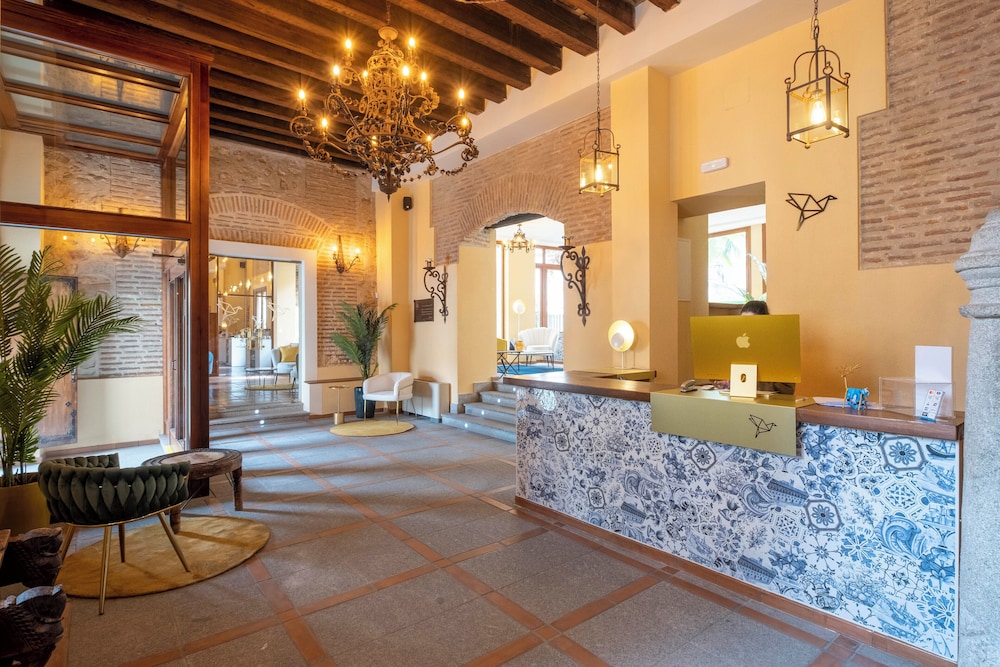
Thick granite walls do a lot of work, and plenty of old-town rooms stay tolerable without machinery. Attic rooms directly under a tiled roof do not — they hold the day's heat until three in the morning. If a listing does not explicitly say aire acondicionado, email and ask, and ask specifically which floor the room is on and whether the window faces a street, an interior patio or the open valley. A quiet interior patio room is the coolest and darkest option in most historic buildings.
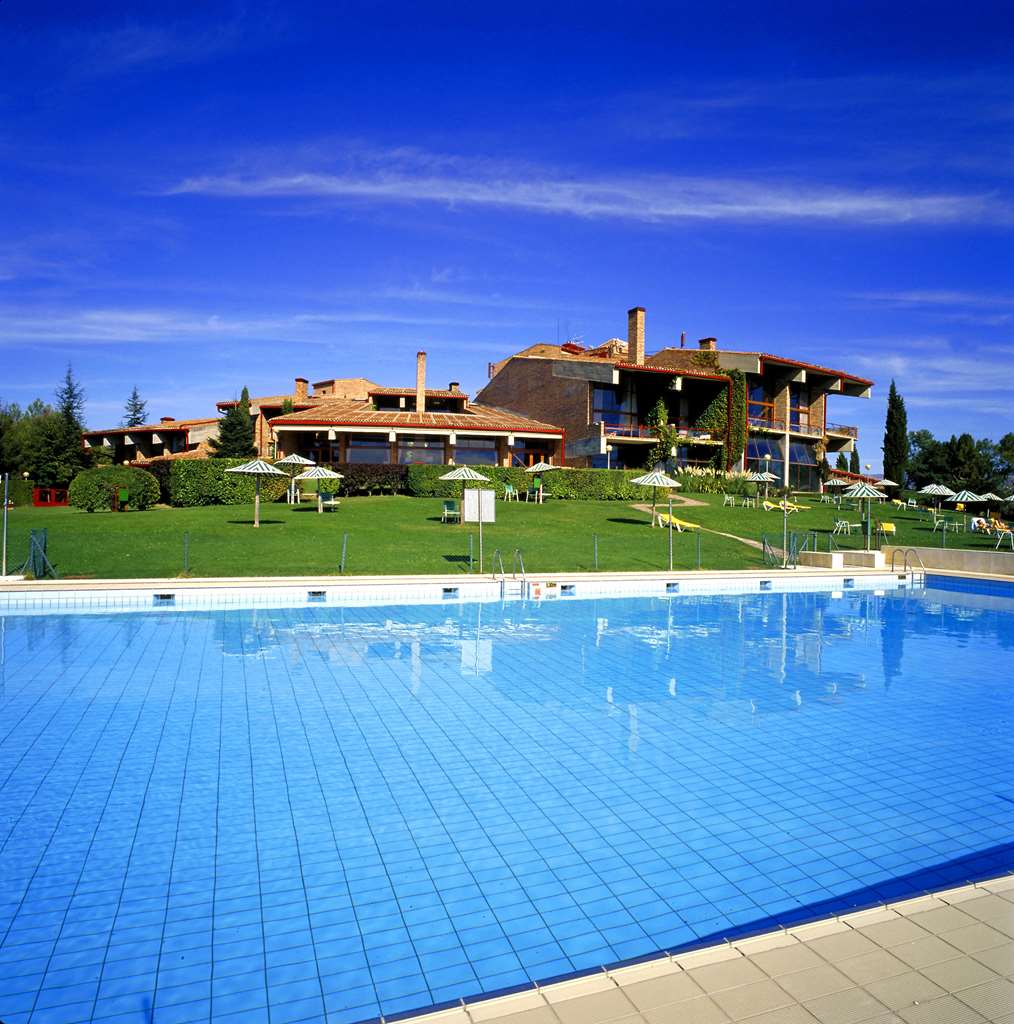
The other August trade-off is noise. With windows open until midnight, a room over a bar on one of the terrace streets around the Plaza Mayor is a bad idea in this month specifically, however charming it looks in the photographs. Pay the extra €15-20 for a property with either proper cooling or a courtyard, or take one of the modern hotels out towards Nueva Segovia and the ring roads, which have both cooling and free parking at €65-90.
What shuts, and for how long
Spanish August holidays are real. A proportion of family-run bars, bakeries and neighbourhood restaurants — more in the residential districts of San Millán, El Salvador and San Lorenzo than on the tourist streets — close for two or three weeks, typically clustered around the middle of the month. Small workshops and some specialist shops do the same. Nothing is announced far in advance; a hand-written sign appears on the door in late July.
What stays open: the Alcázar, the Cathedral, the main museums, the roast houses around the aqueduct and Plaza Mayor, and everything catering to visitors. So you will eat well, but the specific tapas bar a friend recommended may be dark, and the neighbourhood pastelería you wanted for ponche segoviano may not reopen until September. Check opening on the day rather than planning a route around a single address, and always confirm monument hours directly, since summer timetables differ from winter ones.
The August calendar: three dates that matter
15 August, the Asunción, is a national holiday and one of the busiest days of the summer — hotel rates inside the walls hit €140-175, restaurants are full at both services, and the car parks are gone by eleven. 25 August is San Luis at La Granja de San Ildefonso, traditionally one of the grand fountain days when the full display runs; it draws a large crowd from Madrid and Segovia alike, and you should confirm the day's programme and any ticketing with Patrimonio Nacional before travelling.
The third is Cuéllar, roughly 60 kilometres north, which runs its encierros in the last week of August — the oldest running of the bulls in Spain, with the bulls driven in from the pinewoods rather than released from a corral. It is a Fiesta de Interés Turístico Internacional and fills every bed for 20 kilometres around. Go deliberately, with accommodation booked months ahead, or stay well clear of that corner of the province those days. Dates are set annually by the ayuntamiento.
Where to go when the city is too hot
Uphill. La Granja de San Ildefonso sits at about 1,190 metres, 11 kilometres away, and the gardens under those enormous trees are reliably several degrees cooler than the aqueduct — with the fountains running on their summer schedule, which is worth checking in advance. Beyond it, the pinewoods of Valsaín and the Boca del Asno picnic area on the Eresma are where Segovians themselves go in August, with cold river water and deep pine shade at over 1,200 metres.
Two more. Riofrío's oak dehesa and hunting palace, 11 kilometres south, is shaded and almost empty. And the Hoces del Duratón at Sepúlveda opens its canoe stretch only outside the griffon vulture nesting period, which means the second half of summer is the realistic window — permits are required and numbers limited, so arrange it through the Casa del Parque well ahead. In the city itself, the municipal open-air pools are the honest local answer to a 36°C afternoon.
What August costs, and whether to come at all
Midweek is milder than you would expect: €85-115 for a three-star inside the walls, €55-75 for guesthouses, €65-90 on the ring roads with parking. Weekends and the 15 August period push to €140-175, and casas rurales in Pedraza, Torrecaballeros and Sepúlveda run €120-160 with two-night minimums. Food prices do not move: menú del día €14-18, cochinillo €25-32, a caña and torreznos about €6-7.
Would I choose it? Not over late September, which offers 24°C, the same long evenings and €30 less a night. But August works better here than in most of Spain because of the altitude, and if the school holidays dictate your dates, Segovia is a sound choice — do the monuments early, the valley and the pinewoods at midday, and dinner at ten. What I would not do is arrive on 14 August without a booking and expect to find either a room or a table.
Before you book
The questions people ask about Segovia, answered with this month’s numbers.
Typical highs of 30-33°C with heatwave spells reaching 36-38°C, and almost no rain. The saving grace is the 1,005 metre altitude: nights fall to 14-17°C, so evenings on the ramparts are pleasant and a light jacket is useful after eleven.
Some do. Family-run bars, bakeries and neighbourhood restaurants away from the tourist streets often shut for two or three weeks around mid-month, with little notice. The roast houses near the aqueduct and Plaza Mayor, the main museums and the Alcázar all stay open on summer hours.
It is the traditional San Luis fountain day, when the full display has historically run — spectacular, and correspondingly crowded, with parking difficult from mid-morning. Confirm the programme and any tickets with Patrimonio Nacional in advance, arrive early, and expect a busy drive back on the 11 kilometres into Segovia.