Half a day in Segovia: a 4-hour itinerary from the AVE station
 Morning light on the Roman aqueduct arches above the Plaza del Azoguejo in Segovia
A tested four-hour plan that starts and ends at Segovia-Guiomar, covers the aqueduct, the old town spine and one proper meal, and keeps 30 minutes of slack for the return bus.
The first 20 minutes: Guiomar to the Azoguejo
Segovia-Guiomar sits roughly 6 km southeast of the old town, in open country with a car park and very little else, so the walk into town is not an option. Urban bus line 11 runs between the station forecourt and the centre and is scheduled around train arrivals; the ride takes about 15 minutes and costs a couple of euros, though fares and timings should be checked with the municipal operator before you travel. Taxis wait outside arrivals and charge in the region of €12 to €15 into the centre. Either way, you are standing under the aqueduct within 25 minutes of stepping off the train.
Do not rent a car for a half day. The old town is a ring of one-way granite lanes with resident-only zones, and the underground car parks near the Plaza del Azoguejo and Padre Claret fill by mid-morning at weekends. If you are arriving on the slower regional service from Madrid-Principe Pio, you land at the old Segovia station on the north side, which is a 20-minute uphill walk or a short taxi hop instead. Whichever train you take, agree with yourself now that you will leave the centre 45 minutes before departure. Everything below is built around that promise.
10:00 The aqueduct from below, then from above
Start in the Plaza del Azoguejo, directly under the tallest span, where the structure reaches around 28.5 metres and the granite blocks are held together by nothing but their own weight and precision. Walk the length of the arcade towards Calle San Francisco for the view along the line of arches, then come back. Fifteen minutes here is enough at ground level, and the light is better in the morning if you are facing the double arcade from the east. Resist the urge to photograph from directly beneath every pier; the composition that works is from the corner where the plaza opens out.
Now take the stone stairs that climb beside the aqueduct to the Postigo, which puts you level with the water channel and delivers the view most people miss. It is around 70 steps and a two-minute climb, and it lands you at the edge of the walled town rather than back where you started, which is exactly where you want to be. If steps are not for you, the road looping up Calle Fernan Garcia gets you to the same height on a gradient without stairs, adding perhaps eight minutes. Either route puts you on Calle Cervantes ready for the next leg.
10:40 Calle Real, with only two detours
The old town has one obvious spine, changing name from Cervantes to Juan Bravo to Isabel la Catolica as it climbs about 30 metres over 600 metres of granite setts. Walk it slowly. The first detour worth the time is the Casa de los Picos, its facade studded with hundreds of faceted granite blocks, about four minutes from the top of the aqueduct stairs. The second is the Plaza de San Martin, a stepped triangle with the porticoed Romanesque church of San Martin, the Torreon de Lozoya opposite, and free exhibitions inside the tower when one is running.
Everything else on this street is shop windows, and on a four-hour visit you should treat them as scenery rather than stops. Skip the queue for takeaway churros near the Plaza Mayor; you have a real meal booked into this plan. Arrive in the Plaza Mayor around 11:10, walk one full lap of the arcades, and note the cafe terraces on the north side for later. The cathedral fills the western end, honey-coloured and bristling with pinnacles, and it is the last late-Gothic cathedral built in Spain. That is your next decision point.
11:15 Cathedral or Alcazar: pick one, not both
You cannot do both interiors properly in this window, so choose by temperament. The cathedral is right in front of you, costs around €4 for a self-guided visit, and 25 minutes inside covers the nave, the choir and the cloister without hurrying. It is the efficient choice and it keeps you on the flat. The tower climb is a separate guided slot and does not fit a four-hour itinerary; save it for a full day. If you take the cathedral, you leave the plaza by 11:45 with the whole western end of the town still ahead of you.
The Alcazar is a 12-minute walk downhill along Calle Marques del Arco and Daoiz, and combined palace and museum entry runs around €10, with the Torre de Juan II priced separately and involving 152 steps. Allow 55 minutes inside plus 25 minutes of walking, and it consumes half your visit. Take it if the ship-prowed silhouette on the rock is the reason you came to Segovia at all. Take the cathedral instead if you would rather see the Alcazar from outside, from the free terrace beyond the drawbridge, and spend the difference on lunch and the river view.
12:30 Eating well in 45 minutes
Whole roast suckling pig is the local dish and it is not a fast lunch. At the classic houses by the aqueduct and off Calle Cronista Lecea you are looking at €28 to €35 for the plate and at least 90 minutes at table once you factor in service and the carving ritual. On a layover that is a bad trade. Order it only if you have booked ahead by phone, asked for the earliest sitting, and told them your train time when you sit down. Otherwise, aim at the same kitchens for something shorter.
The fast route to a genuinely Segovian lunch is a bar counter on Calle Infanta Isabel or the Plaza Mayor arcades: judiones de La Granja, the big buttery beans stewed with pork, a plate of Cantimpalos chorizo, and a wedge of ponche segoviano, the marzipan-topped sponge, for €3 to €4. A weekday menu of the day sits around €14 to €18 for three courses and comes out quickly if you arrive at 12:30 rather than 14:00. Pay as soon as the coffee lands so you are not hunting for a waiter at 13:20.
13:20 The last half hour: one view, chosen by your legs
The postcard view of the Alcazar rising over the confluence of the Eresma and Clamores is from the Pradera de San Marcos, the meadow below the north wall. It is genuinely worth it and it is also a 15-minute descent and a 20-minute climb back, most of it steep, which makes it a poor fit for a four-hour clock unless you skipped one of the earlier stops. If you did take the cathedral rather than the Alcazar, you probably have the time. Go down by the Cuesta de los Hoyos side only if you enjoy gradients.
The efficient alternative is the terrace outside the Alcazar walls, which is free, gives you the Sierra de Guadarrama on the horizon and the Vera Cruz church across the valley, and costs no descent. A third option, if you have already called a taxi, is to ask for the Alto de la Piedad on the Zamarramala road: the whole rock of the old town in profile, aqueduct to Alcazar, for about €8 each way. Ask the driver to wait five minutes and take you straight to Guiomar afterwards; that turns a view into your transfer.
Bags, buffer and getting back on the train
Do not assume left luggage. Lockers at Guiomar and at the bus station on Paseo Ezequiel Gonzalez have come and gone, so check availability with the station operator on the day rather than arriving with two suitcases. Some old-town hotels will hold a bag for non-guests as a courtesy if you eat in their restaurant, but that is a favour, not a service. The workable plan is to travel with one small bag you are happy to carry up the aqueduct stairs and around a cathedral, which is also what security lines prefer.
Leave the Plaza del Azoguejo 45 minutes before your train. Line 11 is timed to departures but a single missed bus in a low-frequency window can cost you 20 minutes, and there is no fast fallback except a taxi at €12 to €15. If you are heading back to Madrid by bus instead, services from the Segovia bus station to Moncloa run frequently through the day and take around 1 hour 15 minutes, which is a softer deadline than the train. Confirm the final departures of the day with the operator before you build an evening around them.
If four hours turns into a night
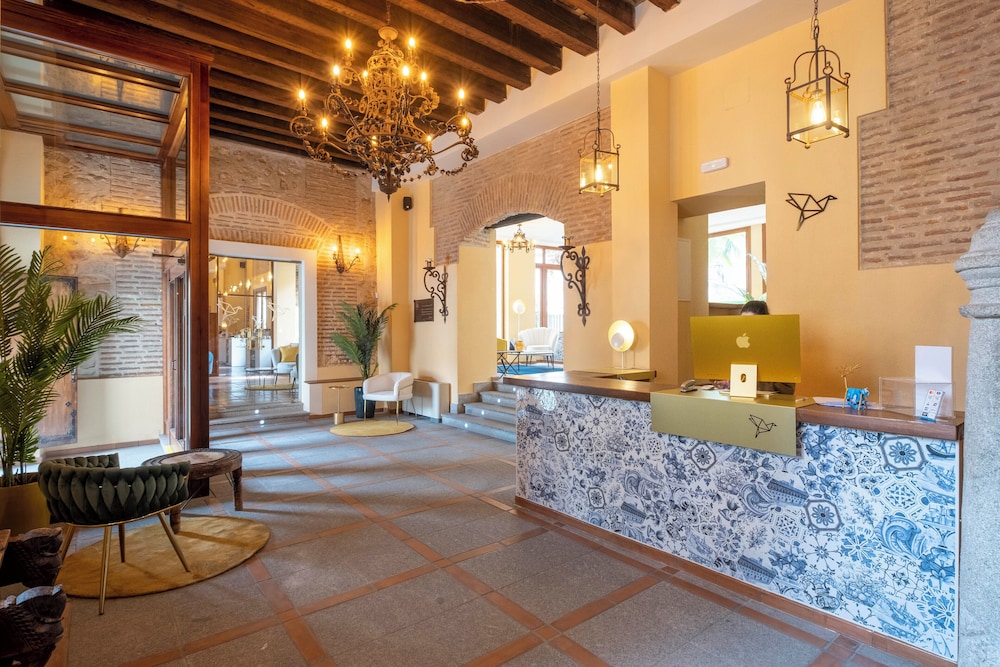
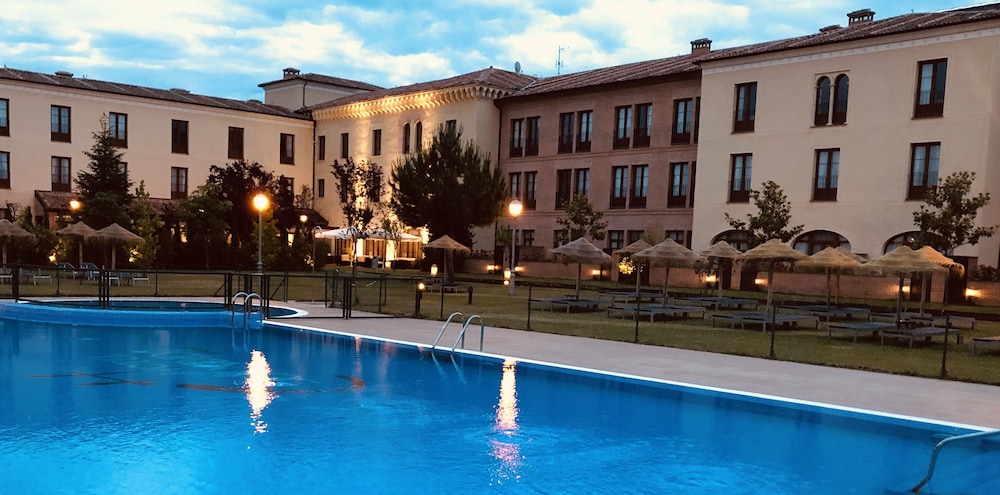
Delays happen, and Segovia is a good place to be stranded. Guesthouses and small hotels inside the walls, in the streets off Calle Real and around San Martin, run roughly €75 to €110 for a double in the shoulder months and rise sharply for July, August and any weekend with a festival. The four-star conversions of old palaces inside the Casco Antiguo sit around €130 to €190. Both put you two minutes from dinner, which is the whole point of an unplanned night here, and both mean carrying your bag over setts.
If you have a car or want the lowest price, the modern hotels out along Paseo Ezequiel Gonzalez and towards Nueva Segovia and the SG-20 bypass run about €60 to €90 with lifts and garages, and a 15-minute walk or a €7 taxi into the centre. My pick for an unexpected overnight is inside the walls anyway: Segovia after 21:00, once the coaches have gone and the aqueduct is floodlit against an empty plaza, is the version of the city that a four-hour layover never shows you.
Before you book
The questions people ask about Segovia, answered with this month’s numbers.
It is enough for the aqueduct, the Calle Real spine, the Plaza Mayor, one major interior and a sit-down lunch. It is not enough for both the cathedral and the Alcazar plus the river-level viewpoints. If you want those, plan on a full day or an overnight stay.
The high-speed train takes about 27 minutes from Chamartin but lands 6 km out, so add roughly 25 minutes and a bus or taxi at each end. The Moncloa bus takes around 1 hour 15 minutes and stops a 10-minute walk from the aqueduct. Check fares and timetables with each operator.
Only with a booking and a warning. Phone ahead, ask for the 13:00 sitting, and tell the restaurant your train time when you arrive. Budget €28 to €35 for the plate and at least 90 minutes. Otherwise order judiones or a menu of the day at a counter and eat in 45 minutes.
Do not count on it. Locker provision at Segovia-Guiomar and the city bus station has changed over the years, so verify on the day with the station operator. The safest plan for a layover is one small bag you can carry comfortably up stairs and through monument security.