The 7 best squares in Segovia, ranked
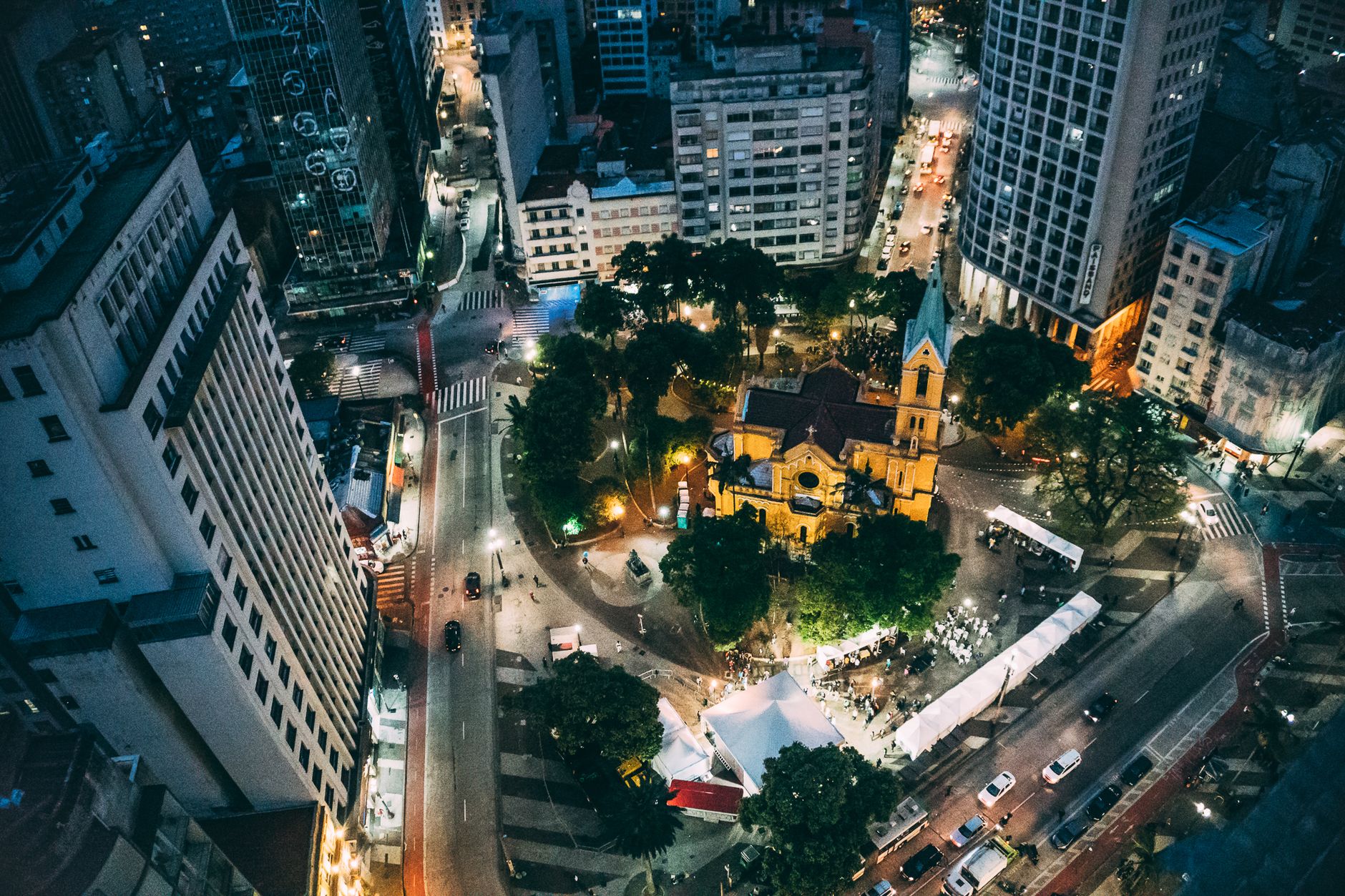 Evening terraces around a Romanesque church on a stepped Segovia square
Seven plazas inside and just outside the walls, ranked on what happens in them rather than what is written about them, with the best hour to sit in each and what a drink costs.
Why the squares are the point
Segovia is a granite ridge, and the old town's streets are narrow, shadowed and mostly built to funnel you from one open space to the next. The squares are where the city keeps its churches, its bars, its statues and its arguments, and a visitor who spends an hour in four of them will understand the place better than one who queues for two monuments. They are also where the temperature is bearable: at 1,000 m, summer afternoons hit 33 degrees in the sun and 25 in the shade of a portico, and winter mornings sit near freezing until the sun clears the rooftops.
The ranking that follows weighs three things — architecture, the presence of actual residents rather than only visitors, and whether it works as a place to sit for an hour. That last criterion demotes one of the most photographed spots in Spain to seventh place. Prices to calibrate: a caña of beer runs €2 to €3, a glass of Rueda verdejo €2.50 to €4, a coffee €1.60 to €2.40, and terrace service in the tourist core adds roughly 20 to 30 per cent over the same drink at the bar inside.
1. Plaza de San Martin
Properly Plaza de Medina del Campo, universally called the Plaza de las Sirenas for the two weathered sphinxes flanking its steps, this stepped, irregular space halfway between the aqueduct and Plaza Mayor is the finest urban room in the city. In the middle stands the Romanesque church of San Martin on its platform, porticoed on three sides with a Mudejar tower. Around it: the 1921 statue of the comunero leader Juan Bravo, the fifteenth-century Casa del Siglo XV with its studded facade, and the Torreon de Lozoya, a fortified tower house whose exhibition halls open free of charge.
It ranks first because it functions on every level. The steps are the city's default meeting point for teenagers and dog-walkers; two or three terraces face the church and are shaded from about 17:00; and the floodlighting on the apse after dark is the best in the old town. Come at 21:00 in summer, order a glass of verdejo for around €3, and watch the passeo funnel past on Calle Juan Bravo. Come at 09:00 in winter, when frost is still on the granite steps and the only sound is a delivery van reversing.
2. Plaza Mayor
The city's official living room, an irregular arcaded rectangle with the cathedral's flank filling one whole side. The seventeenth-century town hall sits opposite, the Teatro Juan Bravo — the province's main stage since the early twentieth century — anchors a corner, and a bandstand kiosk stands in the middle. The tourist office is here, the buses from Madrid disgorge into it, and the terraces run three deep from April to October. It is unquestionably beautiful and it is not remotely quiet.
Second, not first, because the terrace prices are the highest in the city and the clientele is overwhelmingly visitors between 11:00 and 18:00. The trick is to invert the timing: at 08:30 with a coffee for under €2, or after 23:00 in summer when the day-trippers have gone and the square fills with local families walking small children in the cool. The weekly market has long been part of the square's rhythm, on Thursday mornings, though the setup and location have shifted over the years — ask at the tourist office where it stands now. Concerts and festival stages appear here in May, June and September.
3. Plaza de San Lorenzo
Down outside the walls to the north, a twenty-minute walk from Plaza Mayor and a stiff climb back, San Lorenzo does not look like part of a provincial capital at all. Half-timbered houses on wooden posts run along two sides of a small square, forming a rough arcade; the twelfth-century church stands in the middle with a tall brick Mudejar tower; there is a bakery, two bars and no souvenir shop. Nobody comes here on a day trip, which is precisely the recommendation.
Third because the walk is a genuine commitment and there is nothing to visit as such — you come to sit. Do it at 19:30 on a weekday, take a table outside, order a beer at around €2.20 and a plate of chorizo, and watch a working barrio in the evening. It combines well with the Monasterio de El Parral and the Eresma valley path, both within ten minutes on foot. Going down is easy; the return climb to the Puerta de Santiago gains about 60 m and takes twice as long, which is worth knowing before a third drink.
4. Plaza de San Esteban
The quietest square inside the walls, and the one with the single best piece of architecture in it: the six-storey Romanesque bell tower of San Esteban, arcaded tier on tier, generally reckoned the finest of its kind in Spain. The Episcopal Palace occupies one flank, a fountain sits in the middle, and there is no terrace at all — which is the point. Ten minutes north of Plaza Mayor through the streets behind the cathedral, it is where the noise stops.
Fourth because there is nothing to do here but look, and the church interior keeps limited hours tied to worship. Come at 22:30 in summer when the tower is lit and the square is empty, or at 09:00 in any season with a takeaway coffee. This is also the most rewarding place in the old town to bring a sketchbook. From here it is five minutes to the Puerta de Santiago and the descent to San Lorenzo, or five minutes back to the cathedral, which makes it a natural pause rather than a destination.
5. Plaza de la Merced
At the western end of the ridge, on the edge of the old Juderia and on the natural walking line between the cathedral and the Alcazar, the Plaza de la Merced is a small shaded space beside the Romanesque church of San Andres, whose tower rises over the neighbourhood. Large trees give it real shade in August, there are benches, and a couple of low-key terraces catch the late sun. Nearly everyone walks straight through it towards the Alcazar without stopping, which keeps it usable at midday in high summer when Plaza Mayor is unbearable.
Fifth because it is a pleasant space rather than a great one, and because its main asset is location: it sits within three minutes of the Alcazar gate, the Juderia's synagogue-turned-convent buildings and the Jewish cemetery viewpoint across the Clamores valley. Use it as the pre-Alcazar stop. Buy a drink, wait out the 12:00 to 14:00 crush at the castle ticket office, and go in at 14:30 when the coach groups leave. The tapa that comes with the drink here is more generous than in the squares two hundred metres east.
6. Plaza de los Huertos and Plaza de Santa Eulalia
Two working squares that no guidebook lists together. The Plaza de los Huertos, tucked below the main street between the aqueduct and Plaza Mayor, is where fruit and vegetable stalls set up on market mornings — a small, unromantic, entirely genuine bit of city commerce with a bar or two around it and prices set for residents. It is the place to buy cherries in June or mushrooms in October rather than a place to sit for long.
Plaza de Santa Eulalia lies the other way, east of the aqueduct in the barrio of the same name, and is the square Segovians use when they do not want to look at tourists. Church on one side, apartment blocks on the others, kids' football, benches, and bars serving a three-course weekday menu at €13 to €16 — perhaps a third less than an equivalent inside the walls. Sixth as a pair because neither is beautiful; both are the correct answer if you want to eat cheaply and hear only Spanish, five minutes from the aqueduct.
7. Plaza del Azoguejo
The square under the aqueduct, and the one every visitor sees first — which is exactly why it comes last. This was the medieval market and labour-hire square, a rough place in the picaresque literature of the Golden Age, and it is now essentially a traffic and tour-group interchange with the greatest Roman monument in Spain running across it at 28 m high. The arches are astonishing at any hour, and the stairway up beside them to the Postigo del Consuelo gives the eye-level view along the top of the channel.
Photograph it, climb the steps, and then leave. The terraces facing the aqueduct charge the highest prices in the city for the poorest service, the square is noisy with buses, and there is nowhere to sit that is not in the middle of a crowd. Come back at 23:00 in summer when the floodlights are on and the coaches are gone; the pigeons and the granite have the place to themselves and it is genuinely moving. On a one-hour circuit, start here at dusk, walk up Calle Cervantes to San Martin, on to Plaza Mayor, and out to San Esteban.
Before you book
The questions people ask about San Lorenzo, answered with this month’s numbers.
Plaza de San Martin, for the combination of floodlit Romanesque architecture, shade after 17:00 and reasonable prices — around €3 for a glass of Rueda verdejo. Plaza Mayor is grander but noticeably dearer and busier with day visitors; San Lorenzo outside the walls is cheaper again and almost entirely local.
About an hour and a half of actual walking, roughly 4 km, if you include San Lorenzo outside the walls, which involves a 60 m descent and climb back. Sticking to the five inside the walls is a comfortable 45-minute loop from the aqueduct to San Esteban and back.
Head east of the aqueduct to Plaza de Santa Eulalia, or outside the walls towards San Millan and San Lorenzo, where weekday three-course menus run €13 to €16 with bread and a drink. Inside the walls the same meal typically costs €18 to €25, and considerably more on the aqueduct terraces.
Yes, and it is the best free thing in Segovia. The aqueduct, the cathedral, the church of San Martin and the tower of San Esteban are all lit, generally until late evening, though switch-off times vary by season. Between 22:30 and midnight in summer the old town is quiet and the lighting at its best.