Alcázar de Segovia
A turreted royal castle perched on a rocky spur above the Eresma and Clamores valleys, said to have inspired Disney's Cinderella Castle.
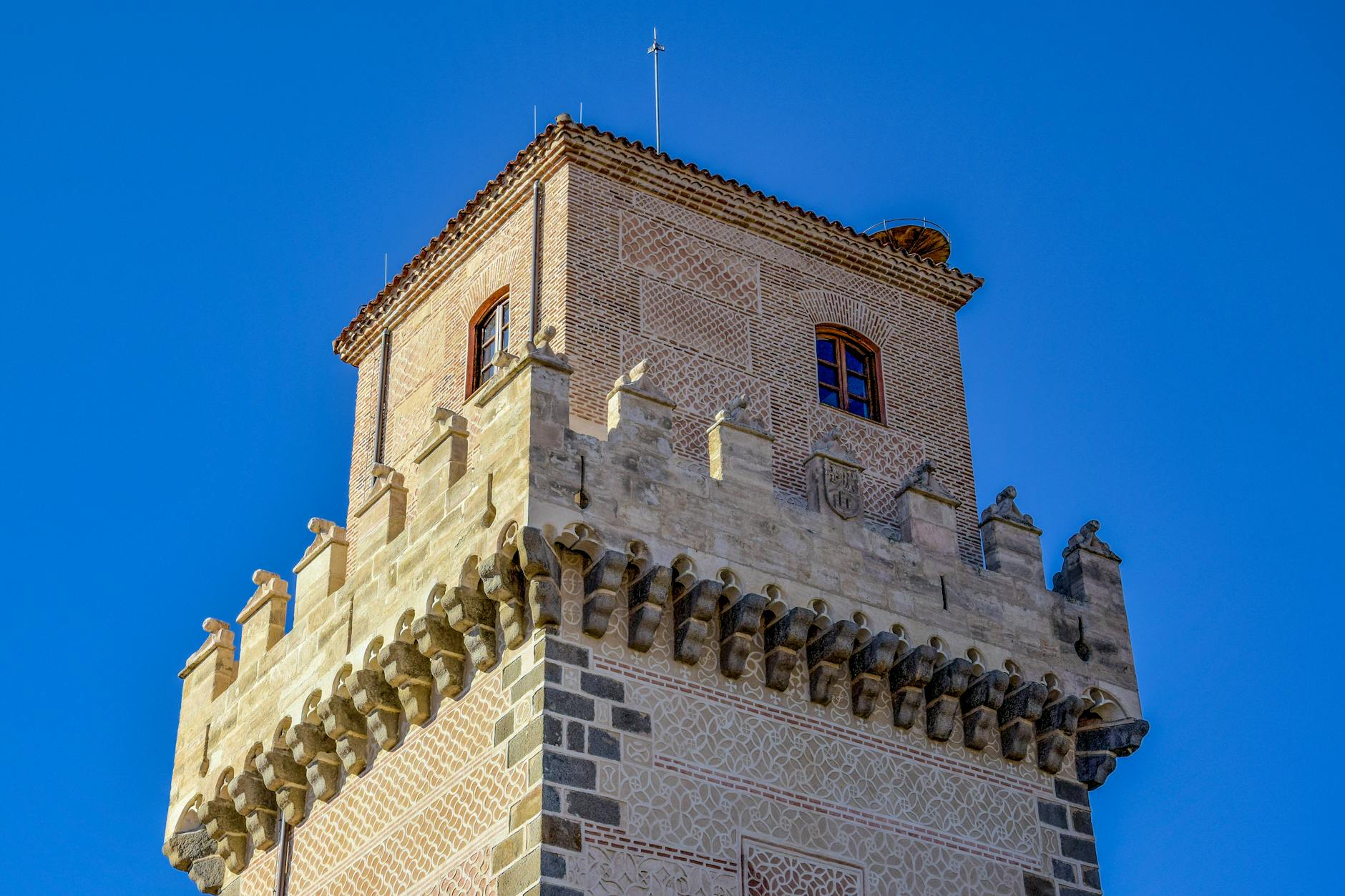 The turreted silhouette of the Alcázar de Segovia on its rocky spur
What to expect at Alcázar de Segovia
The Alcázar began as an Arab fort and grew into a royal palace under the Trastámara kings, its slate-topped turrets giving Segovia its most recognisable silhouette. Isabella I was proclaimed queen of Castile here in 1474, and the building later served as the Royal Artillery College and state archive before opening as a museum.
Inside, the Hall of Kings runs a painted frieze of every monarch from the Reconquista onward, the Throne Room keeps its Mudéjar ceiling, and the Tower of John II offers a 152-step climb rewarded by a full panorama over the Segovian plain. The armoury holds swords, crossbows and suits of plate from the castle's military centuries.
Visit on a clear morning for the best light on the western towers and the fewest coach groups, and budget an extra 20 minutes for the tower climb if you plan to do it.
The route through the palace follows a one-way circuit that takes forty to fifty minutes without the tower. You enter through the courtyard, then climb to the first floor where the state rooms begin. The Hall of the Galley runs the full length of the northern facade, its name a reference to the inverted-hull timber ceiling that survived the 1862 fire which gutted much of the interior. Flemish tapestries line the walls, and the tall windows frame the sierra beyond the valley. The adjoining Throne Room holds the original Mudéjar plasterwork ceiling in geometric star patterns, gilded and painted in red and blue, with the Catholic Monarchs' motto worked into the frieze. The thrones themselves are nineteenth-century reconstructions placed after the building reopened as a museum, but the proportions and the light through the narrow embrasures give a sense of how the space worked when it was the seat of Castilian power.
The armoury occupies several vaulted chambers on the ground floor and holds one of the better provincial collections in Spain. You will see full suits of jousting and battle armour from the fifteenth and sixteenth centuries, wheel-lock pistols, halberds, and a rack of crossbows with their spanning mechanisms intact. Information panels are in Spanish and English. The display is not as vast as the Royal Armoury in Madrid, but the pieces are well chosen and the setting inside a working fortress gives them context that a purpose-built museum sometimes lacks. Allow fifteen minutes if you want to read the labels, less if armour is not your subject.
The walk from Plaza Mayor takes ten minutes on foot. Head west along Calle Juan Bravo, which becomes Calle Daoíz, and continue straight until you see the cathedral on your left. Pass the cathedral and follow the street downhill as it curves west; the Alcázar sits at the end of the ridge and you will see the turrets ahead. The route is signposted and the path is paved throughout, though the final approach climbs a slight incline to the castle entrance. There is no direct bus service to the gate; the old town is compact enough that walking is the practical option from anywhere central. If you are arriving from the bus or train station, city bus line 6 or 8 will bring you to Plaza Mayor, then walk from there. A taxi from the station to the Alcázar gate costs around €6 and takes five minutes, though most visitors walk the twenty minutes through town and save the fare.
Entry to the palace and museum costs €6. The tower climb is an additional €3, bringing the combined ticket to €9. Concessions at €5 for the palace are available for students, over-65s, and large families with a Spanish resident card; children under six enter free. Audio guides in Spanish, English, French and German cost €3 and run about forty-five minutes, covering the state rooms and armoury but not the tower. Groups of fifteen or more can book guided tours in Spanish for €4 per person on top of the entry fee, but you must reserve at least a week ahead and tours run only Tuesday to Friday at set times. The ticket office takes card and cash. If your visit falls between April and September and you want to climb the tower, buy the combined ticket to avoid queuing twice.
The Alcázar opens at 10:00 every day except 1 January, 6 January and 25 December. Closing time is 18:00 from October through March and 20:00 from April through September, with last entry thirty minutes before closing. The first hour after opening and the final ninety minutes before closing are the quietest; midday in July and August brings tour groups and the ticket hall can back up for twenty minutes. Mondays in low season see the fewest visitors because Spanish school groups tend to visit midweek and international coach tours cluster Thursday to Sunday. If you are in Segovia in winter, come on a Tuesday or Wednesday morning and you may have entire rooms to yourself. January and February are cold but the sierra views are sharpest when the peaks hold snow, and the lack of crowds makes up for the short daylight and the unheated stone halls. Avoid the last weekend of August when a local festival fills the town and queues stretch from the ticket office into the courtyard.
Families with children over six will find enough variety to hold attention for an hour: the armour, the tower climb, and the castle setting work better than another church or gallery. The tower staircase is narrow, stone, and unlit in places; children under eight often need help on the steeper turns, and anyone unsteady on stairs should skip it. Wheelchair access is limited to the ground-floor armoury and courtyard; the state rooms require climbing a stone staircase with no lift. The palace is not a good choice for a rainy hour with very young children because the route is one-way, there is no cafe inside the ticket area, and the nearest shelter is back in town. Teenagers with no interest in history will find it dull after fifteen minutes unless the views or the armour appeal. For a single traveler with an hour to spare before a train, it is a reasonable option if you skip the tower and move at a steady pace, but cutting it closer than ninety minutes risks missing your departure.
Segovia Cathedral stands five minutes east, back along the street you walked to reach the Alcázar, and the two sites together make a natural morning or afternoon combination. The cathedral entry is €3, and the interior rewards thirty minutes if you want to see the altarpiece and the cloister. The Alcázar and cathedral together take two to three hours depending on your pace and whether you climb both towers. The Roman Aqueduct is a fifteen-minute walk northeast from the cathedral, downhill into Plaza del Azoguejo, and remains the single must-see in Segovia; if you are planning a half-day circuit, start at the aqueduct mid-morning, walk uphill through the old town to the cathedral, then continue west to the Alcázar and finish there by early afternoon. That route is a gentle uphill gradient the whole way and avoids retracing your steps. The walk covers roughly two kilometers end to end.
The Disney connection is oversold. Walt Disney visited Europe in the 1920s and the Alcázar's silhouette may have influenced the design of Cinderella Castle, but the studio has never confirmed Segovia as the sole or even primary inspiration, and the Neuschwanstein link is better documented. Guides and brochures repeat the claim because it draws visitors, but if you arrive expecting a fairy-tale interior you will be disappointed; this is a working museum of Spanish royal history, heavy on heraldry and military artifacts, and the rooms are formal rather than whimsical. The Hall of Kings frieze is striking but the painted monarchs are stiff, flat, and documentary rather than romantic. The tower views are excellent but not unique to Segovia, and if you have limited time the cathedral tower offers a comparable panorama with shorter queues and no separate ticket. Come for the Mudéjar ceilings, the setting, and the role the building played in Castilian succession, not for a theme-park experience that was never here.
Questions about Alcázar de Segovia
The palace and museum cost €6, and the tower climb is an additional €3, so a combined ticket is €9. Students, over-65s, and Spanish large-family cardholders pay €5 for the palace, and children under six enter free. Audio guides in Spanish, English, French and German are €3. Guided group tours in Spanish run €4 per person on top of entry but must be booked at least a week ahead and are available only Tuesday to Friday. The ticket office accepts card and cash, and there are no family or combined tickets with other Segovia monuments.
Daily from 10:00 to 18:00 between October and March, and from 10:00 to 20:00 between April and September, with last entry thirty minutes before closing. The castle is closed on 1 January, 6 January, and 25 December. The ticket office opens at the same time as the palace and stops selling tower tickets fifteen minutes before the final entry time. Hours do not change on weekends or public holidays outside those three closure dates, and there are no late-night or early-morning openings even in summer.
The palace circuit takes forty to fifty minutes at a moderate pace, and the armoury adds another ten to fifteen minutes if you read the labels. The tower climb requires an additional twenty to twenty-five minutes, including time at the top to take in the panorama and catch your breath after the 152 steps. Most visitors spend between one hour and ninety minutes inside. If you are combining the Alcázar with the cathedral and a walk through the old town, budget two and a half to three hours for the circuit. Arrive with at least an hour and a quarter before closing if you plan to do both the palace and the tower.
Advance booking is not required or available for individual visitors; you buy tickets at the entrance on the day. Queues form between 11:00 and 14:00 in high season, particularly from June to September and during Spanish holiday weeks, and the wait can reach twenty to thirty minutes on busy weekends. If you arrive in the first hour after opening or in the final ninety minutes before closing, you will usually walk straight to the ticket desk. Groups of fifteen or more must reserve guided tours a week ahead, but solo travelers and families just turn up.
The Alcázar is a ten-minute walk west from Plaza Mayor. Head along Calle Juan Bravo until it becomes Calle Daoíz, pass the cathedral on your left, and follow the street as it curves downhill toward the western tip of the ridge; the castle sits at the end and the turrets are visible from several blocks away. The route is signposted and fully paved. There is no bus that stops at the gate; the old town is small and walking is the standard approach. From the train or bus station, take city bus 6 or 8 to Plaza Mayor, then walk the final ten minutes, or take a taxi directly to the castle for around €6.
Wheelchair access is limited to the ground-floor armoury and the entrance courtyard. The state rooms, including the Hall of Kings and the Throne Room, are on the first floor and require climbing a stone staircase with no lift or ramp. The tower is accessible only by a narrow spiral stair and is not suitable for anyone with mobility limitations. The ticket office and courtyard have level access from the street, and accessible toilets are available near the entrance. If you use a wheelchair, you will see the armoury collection and the exterior courtyard but not the main palace interiors.
Hotels near Alcázar de Segovia
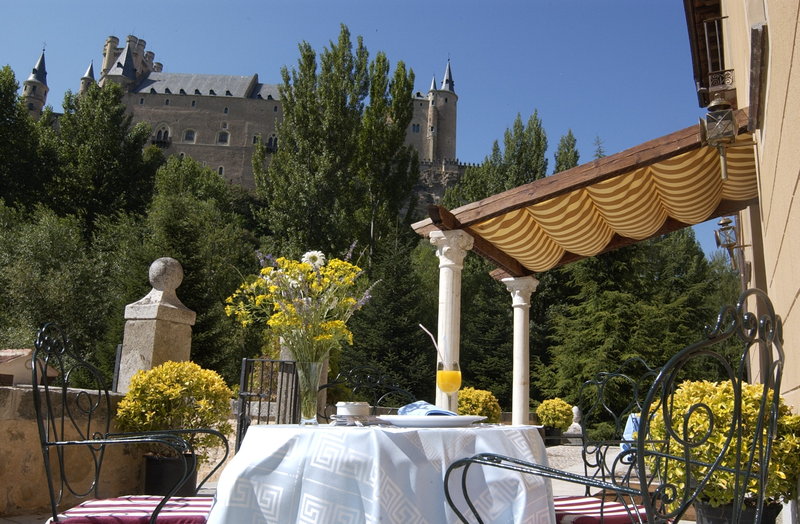
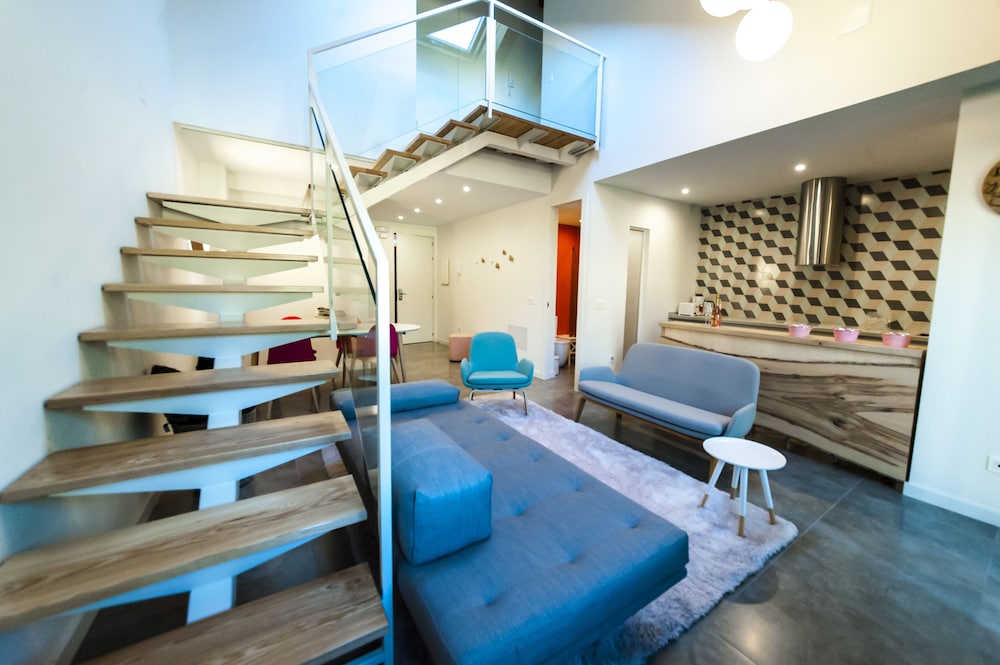

Every hotel we cover in Casco Antiguo
- Casavillena Apartamentos Turísticos 3★
- Alcazar 4★ · 0.1 km away
- Tu Casa San Marcos 3★ · 0.1 km away
- El Mirador Del Alcazar 4★ · 0.2 km away
- Casa de la Moneda 3★ · 0.2 km away
- Hotel Don Felipe 3★ · 4.6/5 · 0.4 km away
- Jardin De Velarde 3★ · 4.1/5 · 0.4 km away
- Villa Don Juan II 3★ · 0.4 km away
- Casa Agapito Marazuela 4★ · 0.5 km away
- Exe Casa de Los Linajes 3★ · 0.5 km away
- Hospedaje La Judería 3★ · 0.6 km away
- Refitolería Apartamentos 3★ · 0.6 km away
- Apartamentos Peñalara 3★ · 0.6 km away
- Alojamiento Duplex 3 Dormitorios Y Apartamento 1 Dormitorio En Plaza Mayor 3★ · 0.7 km away
- Hosteria Natura Plaza 3★ · 3.6/5 · 0.7 km away
- Hostal Matias 2★ · 0.7 km away
- Áurea Convento Capuchinos by Eurostars Hotel Company 5★ · 4.5/5 · 0.7 km away
- Hotel Infanta Isabel by Recordis Hotels 3★ · 4.3/5 · 0.8 km away
- Hotel Spa La Casa Mudéjar 3★ · 4.1/5 · 0.8 km away
- Apartamento En Plaza Mayor de Segovia 3★ · 0.8 km away
- Hotel San Miguel 2★ · 4/5 · 0.8 km away
- Hostal Plaza 1★ · 0.8 km away
- La Zamarriega 4★ · 0.9 km away
- Hostal Fornos 3★ · 0.9 km away
More things to do
All things to do

From the journal
All posts Comparisons & rankings
Hotels with free parking in Segovia
Comparisons & rankings
Hotels with free parking in Segovia
We ranked 9 properties where you can park without paying extra fees, saving up to €20 per night.
 Comparisons & rankings
Family-friendly hotels in Segovia, ranked
Comparisons & rankings
Family-friendly hotels in Segovia, ranked
We tested 8 properties with kids aged 3 to 12 and ranked them by room size, location, and whether breakfast kept everyone happy.
 Comparisons & rankings
Pet-friendly hotels in Segovia
Comparisons & rankings
Pet-friendly hotels in Segovia
We found 7 properties that welcome dogs and cats, with fees ranging from free to €15 per night and 5 that allow pets in the dining room.