Two Hours in Segovia: The Aqueduct, the Old Town and What to Skip
 Two Hours in Segovia: The Aqueduct, the Old Town and What to Skip
A realistic plan for seeing the Roman Aqueduct and the historic centre of Segovia in about two hours, with walking times, neighbourhoods and where to base yourself.
Start at the Aqueduct, not the Cathedral
Begin at Plaza del Azoguejo, the square under the Aqueduct's highest tier, where it stands roughly 28 metres tall. From the Segovia-Guiomar AVE station the bus to the centre takes about 15 minutes; from the older Segovia bus station on Paseo Ezequiel González it is a 10-minute walk up Calle Fernández Ladreda. Arrive before 10am in summer, or in the late afternoon, to see the granite without crowds. The structure carries around 160 arches across two tiers and was built without mortar, a detail best appreciated by walking the length of Calle del Real rather than standing still under it.
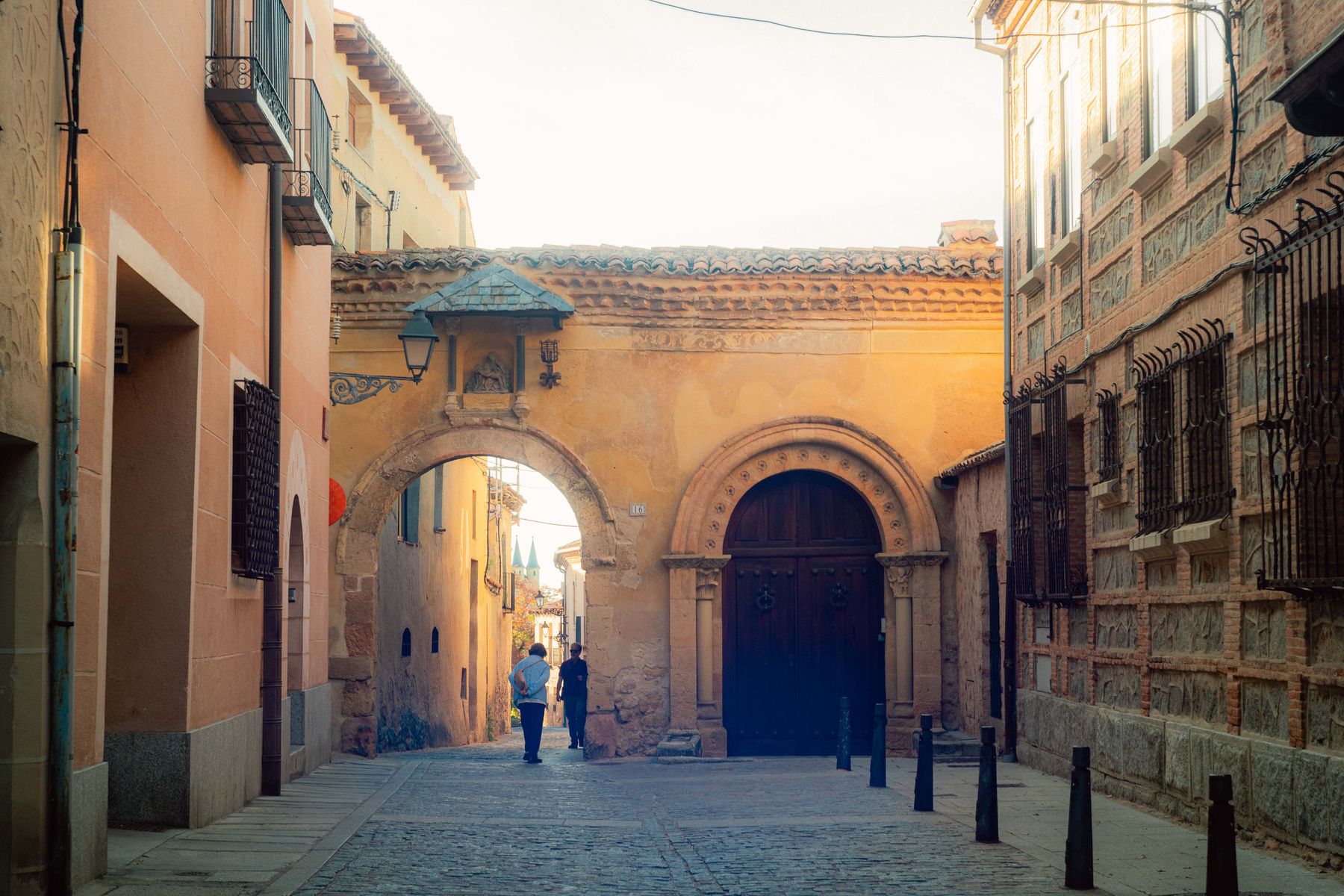
Give the Aqueduct 20 minutes, not an hour. Climb the steps beside Plaza del Azoguejo for the classic upward view, then follow Calle Cervantes towards Plaza Mayor. This street is the natural corridor into the old town and passes the Casa de los Picos, a 15th-century house with a facade of stone pyramids worth a brief look from the street. Resist the pull of every souvenir shop on Cervantes; the same goods appear cheaper on Calle Juan Bravo. If you are travelling with luggage, this is the moment to drop it at your hotel, since the walk to Plaza Mayor is uphill on cobbles.
Plaza Mayor, the Cathedral and a Fast Look at the Alcázar
Plaza Mayor sits at the centre of the old town, with the Cathedral of Segovia on its southern edge. From the square it is a flat five-minute walk to the Cathedral's main door; entry is ticketed and the interior, including the cloister, takes at least 45 minutes if you go in. For a two-hour visit I would skip the interior and instead walk around the exterior along Calle Marqués del Arco, where the tower and the chapters' houses frame good views. Cafés on the square are convenient but pricier than those on Calle Juan Bravo; a coffee standing at the bar is always cheaper than at a table outside.
From Plaza Mayor, Calle Marqués del Arco leads west and the Alcázar appears above the rooftops within ten minutes. The approach along Calle Velarde is the most photogenic and ends at the Eresma valley viewpoint, where you see the fortress from outside its walls. The Alcázar interiors need an hour or more, so on a two-hour schedule treat it as a photo stop. Continue down to the Puerta de San Andrés and the Jewish quarter around Calle Judería Vieja, a quiet grid of narrow lanes with the old synagogue and the Corpus Christi church. This is where the old town feels least like a set piece and most like a working city.
What to Skip, and Where to Stay
With two hours, skip the Cathedral and Alcázar interiors and save them for a return visit; skip the tourist train, which duplicates the walk you have just done; and skip eating on Plaza Mayor. The aqueduct is free to view and needs no ticket, and the old town streets between the aqueduct and the Alcázar are compact enough to cover on foot without any transport. The one thing worth adding, if you have 20 minutes spare, is the walk along the city walls towards the Puerta de Santiago, which gives the best view back across the Eresma to the Alcázar.
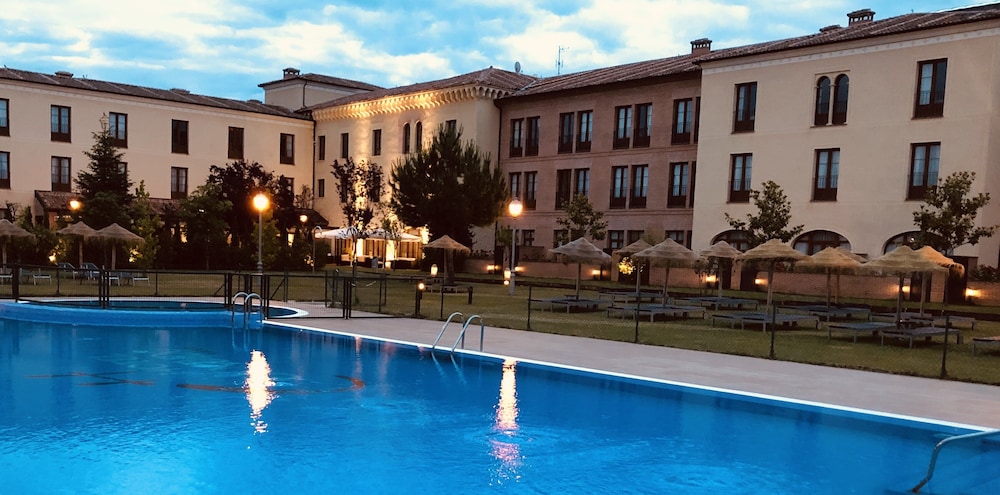
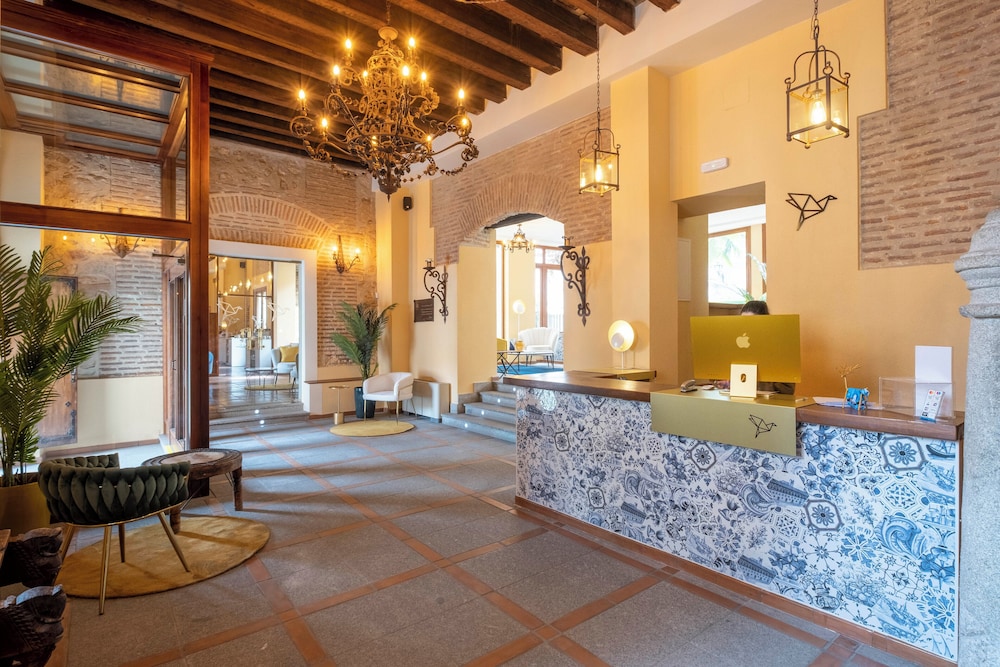
For hotels, the most convenient areas are around Plaza Mayor and Calle Juan Bravo, where you can walk to every sight above; the streets near the Aqueduct on Calle Fernández Ladreda are better value and still five minutes from Plaza del Azoguejo. The San Millán and San Andrés neighbourhoods across the Eresma are quieter and cheaper, with a 15-minute walk in. Mid-range doubles in the old town typically sit in the 70–120 euro band outside peak weekends, and the city is busiest in May, September and on October weekends, so book ahead then. For a short aqueduct-focused visit I would book near Plaza del Azoguejo and walk everywhere.
A two-hour visit covers the Aqueduct, Calle Cervantes, Plaza Mayor and the exterior of the Alcázar comfortably. Trains from Madrid's Chamartín reach Segovia-Guiomar in around 30 minutes, and local buses run from there to the centre every 15–20 minutes during the day. If your schedule allows, stay the night: Segovia's old town is at its best after the day-trippers leave on the last afternoon trains, when Plaza Mayor empties and the Aqueduct is lit. Book a room within the old town rather than near the station, since the station area is a commercial district with little to see in the evening.
Practical Timing and Booking Notes
Segovia sits at around 1,000 metres, so summer mornings are cool and comfortable while afternoons in July and August get hot on the unshaded streets around the Aqueduct. Spring and autumn are the best months for this walk. Many old town shops and bars close for a few hours in the early afternoon, so plan a coffee stop before 2pm or after 4pm. The tourist office near Plaza Mayor can provide a free map, though the route described here is simple enough to follow without one, and the streets are well signposted for the main monuments.
Book accommodation directly with the hotel where possible and confirm whether your room is inside the walled old town or on the newer side of Calle Fernández Ladreda; the difference matters when you are carrying bags uphill on cobbles. Ask about luggage storage if you arrive before check-in, since the two-hour walk is far more pleasant without a suitcase. Weekend rates in Segovia rise noticeably in spring and autumn, so midweek stays give better value and quieter streets. Reserve the Cathedral and Alcázar tickets online if you plan to extend your visit beyond these two hours.
Getting There and Around
The AVE from Madrid to Segovia-Guiomar takes about 30 minutes, and the connecting bus to the Aqueduct runs frequently; taxis from the station to Plaza del Azoguejo take around 15 minutes. Regional trains also serve Segovia, and the older station is closer to the centre. Once in the old town, everything on this route is walkable and mostly pedestrianised, but the cobbles and slopes are uneven, so wear shoes with grip. Parking in the old town is limited; drivers should use the car parks near the Aqueduct or the bus station and continue on foot.
The city is compact enough that a car is a hindrance rather than a help for this itinerary. Buses within Segovia are cheap and run until late, but you will not need them between the Aqueduct and the Alcázar. If you are combining Segovia with a wider Castile trip, the old town makes a good overnight base, with the royal palace of La Granja de San Ildefonso a short bus or drive away as a half-day option. Return trains to Madrid run into the evening, so a late-afternoon departure leaves time for a proper meal.
Where to Eat on the Route
Segovia is known for roast suckling pig, served in restaurants around Plaza Mayor and Calle Juan Bravo, but it is a sit-down lunch rather than a quick stop. For a two-hour visit, take a slice of ponche segoviano, the local almond and marzipan cake, from a bakery on Calle Juan Bravo, and eat it standing or in the square. Bars on Calle Infanta Isabel and Calle San Agustín offer tapas at lower prices than the plaza and are usually full of locals at midday. Avoid anywhere with photographs of the food on the door.
Dinner in Segovia starts late, rarely before 8.30pm, so an early evening walk to the Aqueduct after the day-trippers have gone is a good use of time before eating. The lit arches against the night sky are the image most visitors take home, and the square is quiet enough then to appreciate the scale of the structure. If you are staying the night, choose a hotel with a restaurant or ask your host for a recommendation on Calle Juan Bravo, since the best-known places fill up on weekends and reservations help.
Making the Two Hours Work
The single biggest time-saver is deciding in advance to skip the monument interiors. The Aqueduct, the streets between it and Plaza Mayor, and the outside of the Alcázar together give a genuine sense of Segovia without queues. Walk the route once at street level, then climb to the viewpoint beside the Aqueduct for the synoptic view. If you have a third hour, add the Cathedral cloister, which is calmer than the nave and quicker to see.
Book your hotel with the walking route in mind: anywhere between Plaza del Azoguejo and Plaza Mayor puts you within minutes of every stop. The registrations figures for this site are quiet this week, so availability is good, but Segovia's popular weekends still fill. Reserve a room inside the old town, arrive before 10am or after 5pm to see the Aqueduct at its best, and plan a return visit for the interiors you skipped. That is a realistic two hours, and it leaves you wanting the rest.
Accessibility and Comfort
The old town's cobbled streets and slopes are difficult for wheelchairs and pushchairs; the area around the Aqueduct and Plaza Mayor is the most level section. The Aqueduct itself is viewed from street level and needs no climbing, and the steps beside it are optional. Public benches are concentrated on Plaza Mayor and along Calle Juan Bravo. In summer, carry water and use the shaded side of Calle Cervantes; in winter, the exposed squares are cold and windy, so plan shorter stops outside and longer ones in cafés.
Toilets are scarce in the old town; use the facilities in a café or the covered areas near the Aqueduct before starting the walk. Mobile coverage is good throughout, and free Wi-Fi is common in bars and hotels. Segovia's tourist office near Plaza Mayor is a sensible first stop for a map and current opening hours, since monument schedules change by season. Allow a little slack in your two hours for the unplanned: a wedding on Plaza Mayor or a market stall can easily add 15 minutes to the route.