Segovia without a car: a four-day itinerary by train, bus and foot
 Traveller waiting at a bus stop below the Roman aqueduct in Segovia
Four days, one hotel base, zero car hire — with honest notes on which of the province's five headline sights you can actually reach on public transport and which one costs a €50 taxi.
Why one base, and where to put it
Segovia city is the only place in the province with the bus links, the taxi rank and the density of restaurants to support a car-free trip, so unpack once and stay put. Inside the walls you can reach the aqueduct, the cathedral and the Alcázar on foot in twelve minutes end to end, and the intercity bus station on Paseo Ezequiel González is a ten-minute walk from Plaza del Azoguejo. Staying in one of the villages sounds romantic and traps you: Pedraza, Riofrío and Valsaín have between zero and two useful bus services a day, and none of them run when you would want to come home.
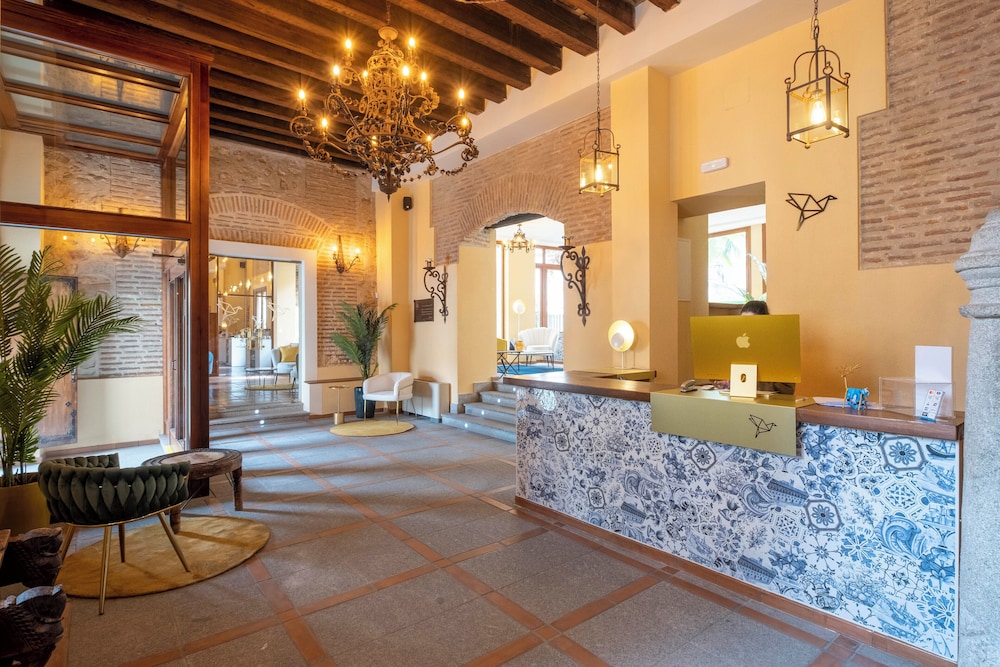
Book inside the Casco Antiguo or immediately below it. Old-town guesthouses run roughly €70–100 for a double, mid-range hotels near Plaza Mayor €110–160, and the modern places down by the aqueduct on the Azoguejo side €90–130 — the last group is the smart car-free pick because it is level with the bus station and the taxi rank rather than up a cobbled hill with a suitcase. If your budget is tighter, the hostales along Calle Ochoa Ondátegui and around San Millán sit at €55–80 and are still inside a fifteen-minute walk of everything on this itinerary.
Arriving: the three ways in, ranked
Fastest is the high-speed train from Madrid-Chamartín to Segovia-Guiomar, usually 27–35 minutes, with fares that vary a lot by how far ahead you buy. The catch is Guiomar's location: it sits about 6 km southeast of the old town in open country. Urban bus line 11 is timed to trains and drops you at the aqueduct in roughly fifteen minutes for a couple of euros; a taxi is around €10–13. Do not walk it. Confirm timetables with the rail operator and the city bus company before you travel, because both adjust services seasonally.
Cheapest is the coach from Madrid's Moncloa interchange, about an hour and a quarter, dropping you at Segovia's bus station right beside the old town — for a first-time visitor arriving with luggage, that convenience often beats the train. Third, and slowest, is the conventional rail line from Madrid-Príncipe Pío through the Guadarrama, close to two hours, which arrives at the old Segovia station a kilometre from the aqueduct. It is a lovely ride through Cercedilla pine forest and a poor use of a short trip. Take the coach in, the fast train out.
Day one: the city, on foot, in the right order
09:30 at the aqueduct while the Azoguejo is still empty, then up the stairs beside it to the Postigo viewpoint for the sightline along all 167 arches. 10:30 along Calle Real, pausing at the Casa de los Picos and the Torreón de Lozoya, to Plaza Mayor for the cathedral at 11:15 — the last great Gothic cathedral built in Spain, begun in 1525, and its guided tower climb is the single best hour in the city if you can get a slot. 13:00 the Alcázar, including the 152 steps of the Juan II tower, which is where you see the two rivers meeting below.
Lunch at 14:30, late in the Spanish way, and then keep the afternoon low: the Judería lanes, the Puerta de San Andrés wall centre, and the small museums — the Esteban Vicente contemporary collection in the old palace, or the Zuloaga ceramics in San Juan de los Caballeros. Finish at 20:30 with the aqueduct lit up and the Azoguejo bars three-deep. Total walking: about 6 km on cobbles and slopes. Sleep where you started; you have not needed a vehicle of any kind and you will not tomorrow either.
Day two: La Granja and Valsaín by bus
This is the easiest excursion in the province without a car. Regional buses run from Segovia's bus station to La Granja de San Ildefonso frequently through the day, take around 20–25 minutes and cost only a few euros; buy from the driver or the counter and check the return times on the printed board before you leave, as frequencies thin on Sundays. Get the 10:00-ish departure, be at the palace gates by 10:40, and do the royal apartments and the tapestry collection first while the coach parties are still on the road up from Madrid.
The gardens are the real event: 1,500 hectares laid out for Philip V in imitation of Versailles, with 26 monumental fountains that only run on set days and hours in the warm season — verify the schedule with the Patrimonio Nacional site before choosing your date, because turning up on a dry day is the classic mistake. Eat judiones de La Granja, the fat local butter beans, at one of the mesones on Calle Valenciana, roughly €14–20 a head. If there is time, take the bus two stops further to Valsaín for a forest walk among the pines, then home by 19:00.
Day three: Sepúlveda and the Duratón gorge by coach
Sepúlveda is served from Segovia by a small number of buses a day, typically one out in the morning and one back in the late afternoon, which makes it feasible but unforgiving — miss the return and you are paying €70 for a taxi. Check the operator's current timetable and buy a return. The journey is around an hour through Cantalejo. In Sepúlveda you get the 1093 Romanesque church of El Salvador, the Plaza del Trigo, the town walls and, above all, the Casa del Parque interpretation centre for the Hoces del Duratón natural park.
From the town you can walk the Senda de los Dos Ríos, a marked riverside route of about 5 km round trip that drops into the gorge below the walls and shows you griffon vultures without any transport at all. The Ermita de San Frutos, the famous spur above the reservoir, is 12 km away down a dirt track and is not reachable on foot in a day — accept that and enjoy the town. Lunch is roast lamb, €35–45 a head, ordered at 14:00. Back on the bus, back to your Segovia room, dinner in the old town.
Day four: Pedraza by taxi, or a smarter alternative
Pedraza has effectively no useful bus service for visitors. If you want it — and it is the best-preserved walled village in the province, 37 km northeast — the honest options are a taxi at roughly €45–60 each way, a pre-booked private driver who will wait for three hours for something in the region of €120–150 for two people, or one of the small-group excursions that run from the city in season. Split between four travellers, the taxi maths is fine; for two it is a considered splurge. Agree the price and the pick-up time in writing before you set off.
The cheaper day four: take the urban bus or a €10 taxi out to Zamarramala, walk the ridge for the head-on view of the Alcázar, drop down to Vera Cruz and the Eresma valley path, and come back up through the Puerta de Santiago — three hours, almost free, and the best photographs of your trip. Add the Real Casa de Moneda, Philip II's water-powered mint down by the river, which is a fifteen-minute walk from Plaza Mayor and consistently the most underrated ticket in Segovia. Then a farewell cochinillo dinner and the early train.
Costs, catches and what to skip
A realistic four-day, car-free budget for two people, excluding accommodation: about €25 in urban and regional bus fares, €60–120 if you do the Pedraza taxi, €70–90 in monument entries, and €200–280 in food if you eat one roast and otherwise use menús del día at €14–18. That is comfortably less than four days of car hire, fuel and old-town parking, which alone would run €160–220. The trade is flexibility: you eat when the bus lets you, and you cannot chase good light to a hilltop at 20:00.
Skip Riofrío and Coca on a car-free trip. Riofrío's hunting palace is 11 km south with no practical bus, and Coca is a long, awkward connection for a 45-minute guided visit. Skip any plan that involves moving hotels mid-trip: dragging bags across Segovia's cobbles to catch a once-daily bus is how a good holiday becomes an argument. And do not count on Sunday services for anything — regional frequencies drop sharply, so put your bus days on Tuesday to Saturday and keep Sunday for the city on foot.
Before you book
The questions people ask about Segovia, answered with this month’s numbers.
Yes. The intercity bus station on Paseo Ezequiel González is roughly a ten-minute, largely level walk from Plaza del Azoguejo at the foot of the aqueduct. The high-speed station at Guiomar is not — it is about 6 km out, and you need urban bus line 11 or a taxi at around €10–13.
Drop Pedraza. It is the one that costs a taxi fare rather than a bus fare, and its appeal — an empty walled village at dawn — is largely lost on a three-hour midday visit. Keep La Granja, which is cheap, frequent and 25 minutes away.
Yes, the service operates year-round, though frequencies are lower on Sundays and holidays and the gardens' fountains do not run in the cold months. Check the current timetable with the bus operator before you plan the day, and note that snow on the Navacerrada road can disrupt onward services to Valsaín.
Partly. From Sepúlveda you can walk the marked Senda de los Dos Ríos into the gorge and see griffon vultures on the cliffs. The San Frutos hermitage on its spur above the reservoir sits 12 km out on a dirt road and realistically needs a vehicle or a booked excursion.