Segovia's Aqueduct at Sunrise: A Quiet Morning Walk
 Segovia's Aqueduct at Sunrise: A Quiet Morning Walk
Plaza del Azoguejo belongs to the pigeons before eight, and the aqueduct is best seen with the shops still shuttered and the buses still parked.
Before the City Wakes
Segovia's aqueduct is free, unenclosed and always open, so the only ticket is timing. In summer, civil twilight falls around 06:45 and the sun clears the Guadarrama hills an hour later; in winter you can arrive at 08:00 and still beat the day trippers, who mostly come on the morning train from Madrid. The blocks between Plaza del Azoguejo and Plaza de la Artillería are empty then, and the 167 arches run north-east in a straight line with nothing but their own shadows across the granite.
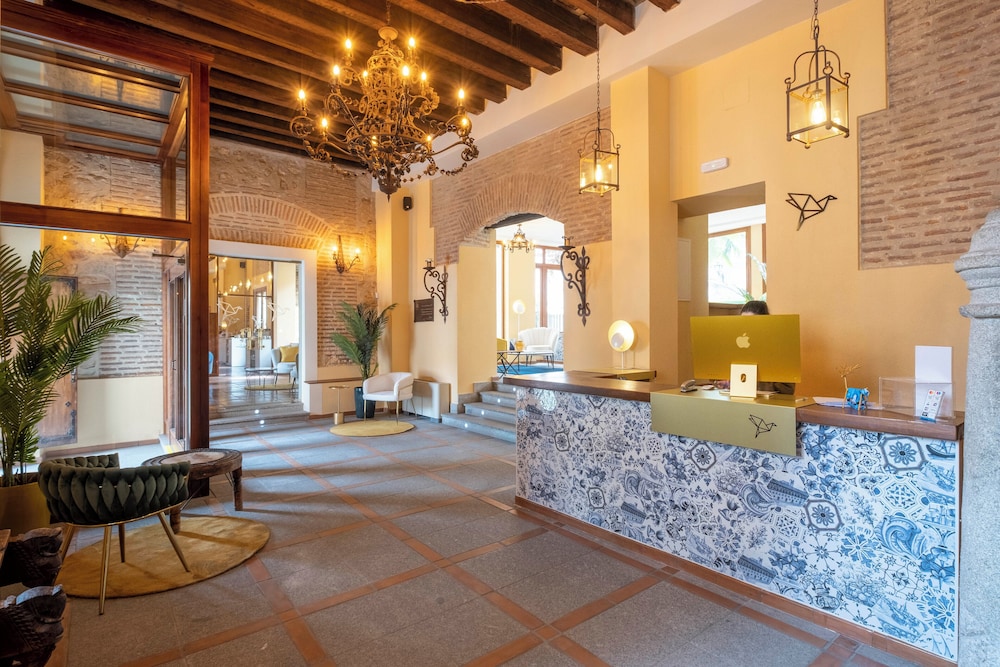
Stay inside the walls, not out by the Segovia-Guiomar station, which sits 4 km away on the AVE line and needs a bus or taxi to reach the centre. Hotels around Plaza Mayor and the Judería put you five minutes from the aqueduct on foot, which is the point of the early start. Rates in the old town run roughly €70–110 midweek and €95–150 at weekends; the Parador, in the former convent on Plaza del Azoguejo, charges more for the address than most visitors need.
Which Arch to Stand Under
The postcard view is the double-tier section at Azoguejo, where the pillars reach 28.5 metres and the two arcades stack one on the other. It is also the busiest spot, so walk one block up Calle Cervantes under the single tier of arches instead, then double back along Calle Real towards the Torreón de Lozoya. From the steps beside the Plaza del Azoguejo tourist office you can watch the first light hit the brickwork from below without standing in anyone's photograph.
The brick is original Roman work, set without mortar, and it carried water from the Frío river in the Sierra de Fuenfría until the nineteenth century. What you see at dawn is a repair job as much as an antique: the 107-year stretch restored after 1972 is visibly newer up close, which is why the long view beats the close inspection. Skip the daytime audio guides sold near the aqueduct and instead read the information panels at the base, which are free and give you the dates without the sales pitch.
The Morning After the Arches
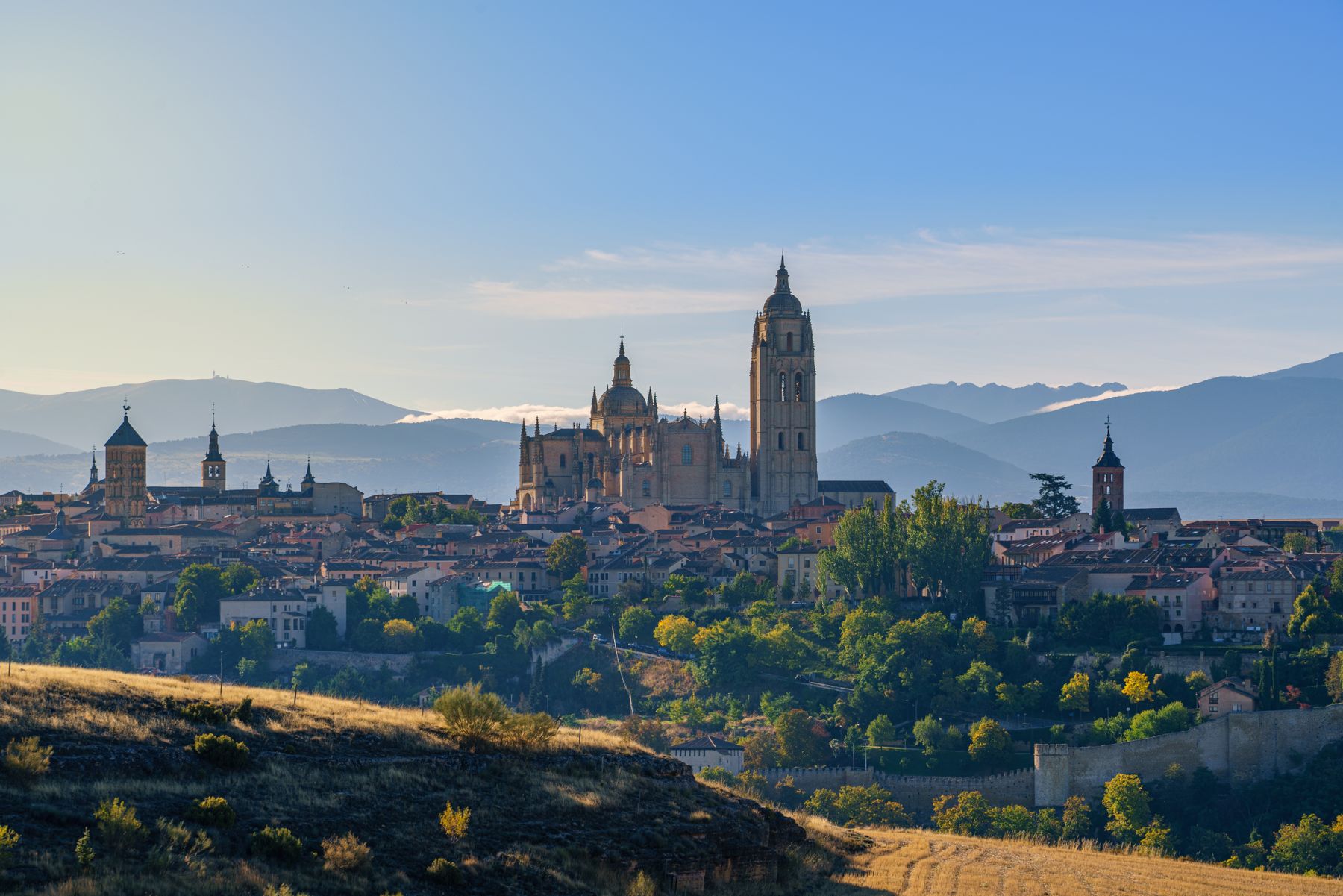
By 08:30 the cafés on Calle Daoiz and Calle Juan Bravo are opening, and a coffee and tortilla costs somewhere between €3 and €6 depending on whether you sit on the terrace. Carry on uphill to the Cathedral, whose 88-metre tower is the last stop on most people's photographs, then walk fifteen minutes to the Alcázar, which opens at 10:00 and is worth being early for. The Judería lanes between the two are narrow, quiet and best covered before the groups arrive from Madrid.
If you have a second morning, use it for the aqueduct again rather than somewhere new. The light differs by month: in April and May the sun comes up behind the arches and the stone looks flat, while in September and October it comes from the side and picks out the joints. July and August are warm even at seven, but you will have the place to yourself; December mornings are cold and often clear, and the arches stand black against a pale sky.
What to Skip
Skip the open-top tourist trains that circle the old town; distances inside the walls are short and every route they take is walkable in under twenty minutes. Skip Ávila and La Granja de San Ildefonso as day trips if Segovia is your base: both are worth a visit, but Ávila needs 1 hour on the regional train and La Granja wants a 20-minute bus from the station, and either will cost you the quiet morning you came for.
Book a hotel between Azoguejo and Plaza Mayor and you can be under the arches in five minutes without a taxi. Ask for a room facing the courtyard: the pedestrian streets of the Judería stay lively late. Trains from Madrid's Chamartín take about 27 minutes, but the station is outside town, so allow 20 minutes on the bus for the return. Arrive the night before, sleep in the old town, and the aqueduct belongs to you until roughly half past eight.
Before you book
The questions people ask about Segovia, answered with this month’s numbers.
No. The aqueduct stands over public streets in the centre of Segovia and is free to visit at any hour. There is a paid virtual-experience centre nearby, but the structure itself has no gate, no opening times and no entry fee.
In summer, aim for 06:30 to be in place before first light around 06:45. In winter, 07:45 is early enough for sunrise near 08:30. Weekday mornings in spring and autumn are the quietest, since most visitors arrive from Madrid by mid-morning.
Segovia-Guiomar sits about 4 km from the centre on the high-speed line; the local bus and taxis cover it in roughly 15 to 20 minutes. If you stay near Plaza Mayor or Plaza del Azoguejo, you can walk to the aqueduct in five minutes from your hotel.