Segovia in September: Warm Days, Quieter Streets and How to Plan Your Stay
 Segovia in September: Warm Days, Quieter Streets and How to Plan Your Stay
September in Segovia brings late-summer heat without the August crowds, making it a smart month for exploring the aqueduct, the Alcázar and the city's roast suckling pig.
Why September Works for Segovia
Segovia in September is still summer-warm, with daytime highs often reaching 28–30°C in the first week before easing to around 24–26°C by late September. Evenings cool to 12–15°C, so pack a light layer for terrace dinners. The city's elevation at 1,005 metres means sunshine is strong but humidity stays low. Rain is uncommon but not unheard of; a compact umbrella is wise. The main advantage is fewer visitors: the aqueduct and Alcázar queues shrink noticeably after the first week of September, when Spanish families return to school and work.
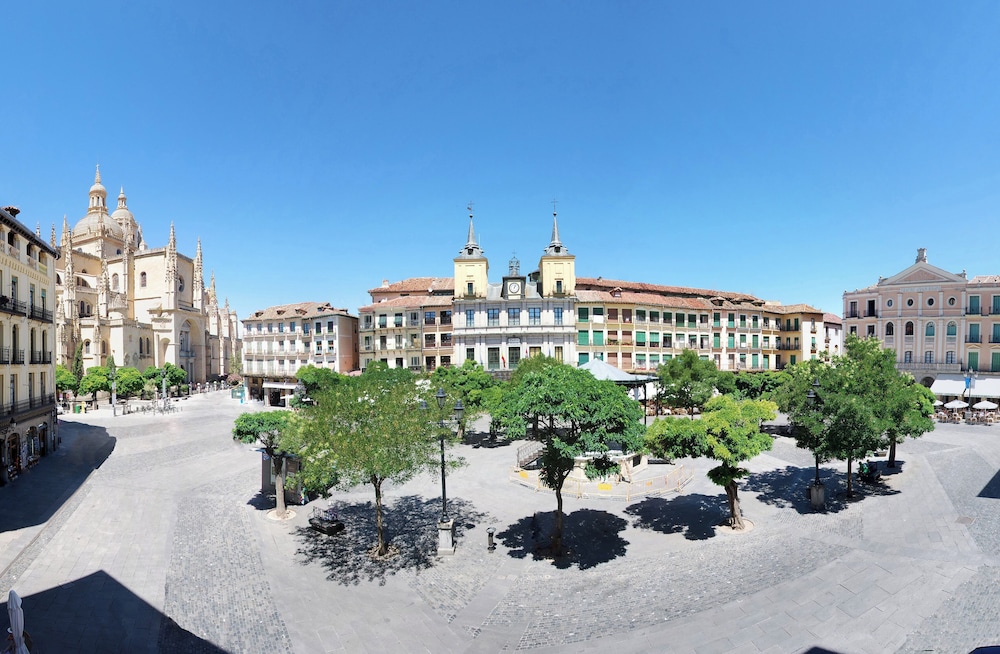
Hotel rates also dip compared to August, though Segovia is never as expensive as Madrid. Expect to pay €60–90 for a mid-range double in the historic centre, and €100–150 for a boutique stay with views of the aqueduct or the cathedral. Booking two to three weeks ahead is usually enough, but if you want a room with a terrace in the Plaza Mayor area, secure it earlier. The city is compact: most sights are within a 20-minute walk, so location matters more than transport.
What to See and When to Go
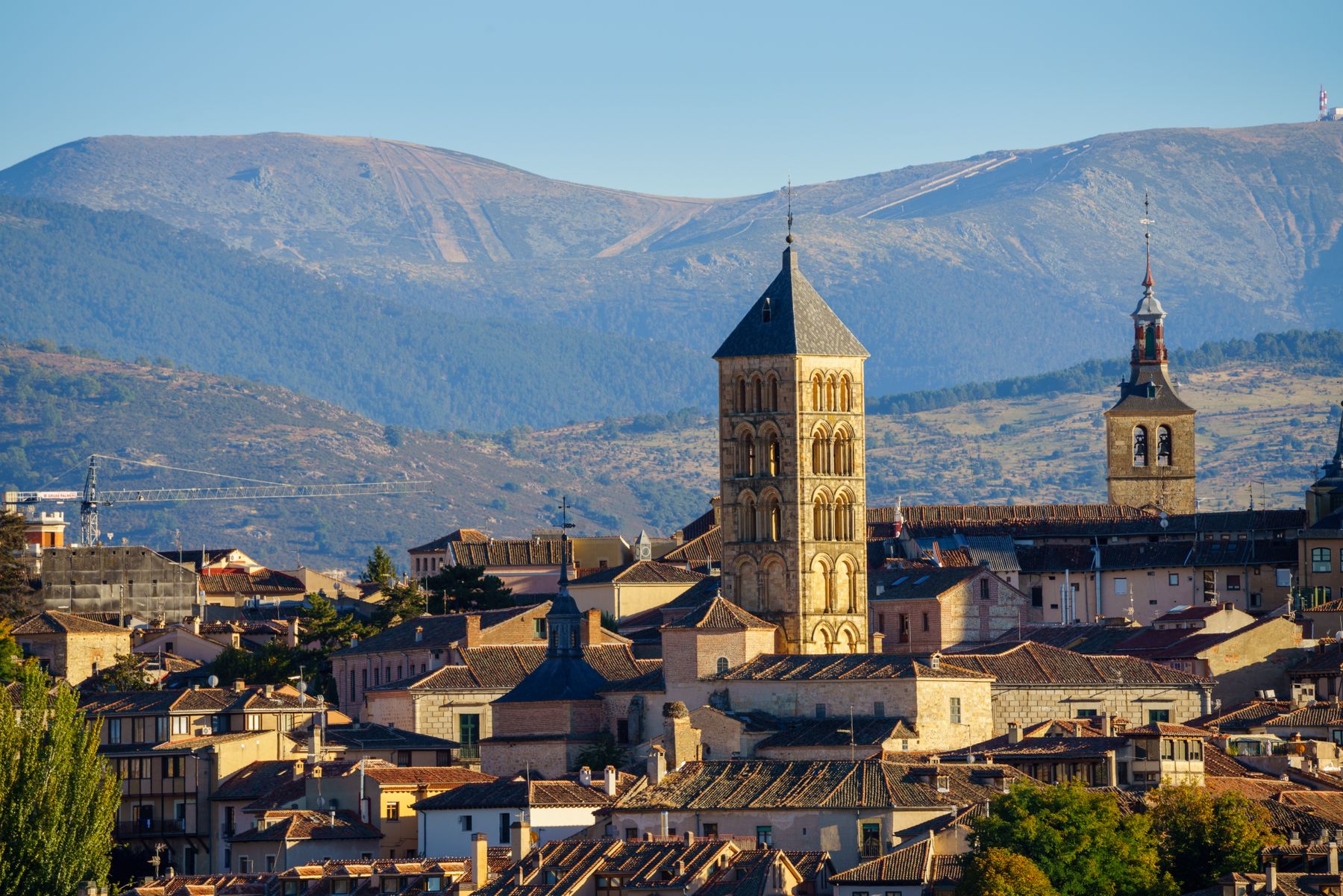
Start early at the Roman Aqueduct, best photographed before 10am when the light is soft and crowds are thin. The Alcázar opens at 10am; go straight there after the aqueduct to avoid the midday tour groups. The cathedral, with its 90-metre tower, is worth a visit for the cloister and museum. For a break, wander the Judería (Jewish quarter) along Calle de la Judería Vieja, where stone arches and quiet plazas offer shade. The Walls of Segovia, accessible from the Alcázar, give sweeping views over the Eresma Valley and the Vera Cruz church.
In the afternoon, when heat peaks, head indoors to the Museo de Segovia or take a slow lunch. Segovia's signature dish is cochinillo asado (roast suckling pig), served in mesones around the Plaza Mayor and Calle Real. A typical menú del día costs €25–35. For lighter options, try a slice of ponche segoviano at a pastelería near the aqueduct. If you have a car, the Palacio Real de Riofrío is a 15-minute drive east, but it's a side trip; the city itself deserves at least two full days. Skip the toy museum on Calle Real unless travelling with children.
Where to Stay in Segovia
The historic centre inside the walls is the most convenient area, but it's hilly and streets are cobbled. Hotels near the Plaza Mayor put you steps from restaurants and the cathedral, but some rooms can be noisy at night. The area around the aqueduct, especially along Avenida de Fernández Ladreda, offers easier parking and flatter walks, with hotels that often have aqueduct views. For a quieter stay, consider the Judería, where small boutique hotels occupy converted stone houses; it's atmospheric but a 10-minute uphill walk to the Alcázar.
If you arrive by train, the station is 2.5 km from the centre; a taxi costs around €8–10, or bus line 11 runs every 30 minutes. Drivers should note that many central streets are pedestrian-only; choose a hotel with parking, typically €12–18 per day. I would book a room with a terrace in the Judería for a balance of quiet and views, or a hotel on Avenida de Fernández Ladreda if travelling with a car. Avoid chain hotels on the outskirts unless you have a vehicle and prioritise budget over charm.
Practical Tips for September
Segovia's altitude means the sun is intense even on mild days; carry water and wear a hat. Shops close for siesta between 2pm and 5pm, so plan shopping for morning or late afternoon. Restaurants serve lunch from 1:30pm to 4pm and dinner from 8:30pm; many kitchens close between 4pm and 8pm. The city's main festival, San Frutos, falls on 25 September, when locals celebrate with processions and family gatherings. It's a cultural highlight, but some businesses may close. Check dates and book dinner reservations accordingly.
Public transport within Segovia is limited; walking is the best way to explore. For day trips, buses to La Granja de San Ildefonso (a royal palace with gardens) run hourly and take 15 minutes. The train to Madrid takes 30 minutes on the AVANT service, but you won't need it if you're staying in Segovia. Overall, September is a month I'd recommend for comfortable sightseeing and good value, provided you respect the siesta and book ahead for the cochinillo experience.
Before you book
The questions people ask about Segovia, answered with this month’s numbers.
Daytime highs average 24–30°C, depending on the week. Early September can still feel like summer, while late September is milder. Evenings cool to 12–15°C, so bring a light jacket for outdoor dining.
Yes, after the first week of September, visitor numbers drop noticeably as Spanish families return to work and school. Weekdays are especially quiet, and you'll find shorter queues at the aqueduct and Alcázar.
Booking two to three weeks ahead is usually sufficient for mid-range hotels, but boutique stays with views can fill up earlier. If you want a room with a terrace or in the Judería, reserve at least a month in advance.
Pack light layers, comfortable walking shoes for cobblestones, sun protection (hat, sunscreen, sunglasses), and a compact umbrella for occasional showers. A reusable water bottle is handy for refilling at public fountains.
Yes, the Roman Aqueduct is illuminated every evening, and September's warm nights make a stroll along it pleasant. The best views are from Plaza del Azoguejo, where you can also find restaurants with terraces.
The station is 2.5 km from the centre. Bus line 11 runs every 30 minutes (€1.50), or a taxi costs around €8–10. If you arrive by car, choose a hotel with parking, as central streets are largely pedestrian.
Visit the Museo de Segovia for local history, explore the cathedral's cloister and museum, or take a guided tour of the Alcázar's interiors. Many mesones are cosy for a long lunch, and the aqueduct's arches offer some shelter.
Inside the walls puts you within walking distance of all sights but involves hills and cobblestones. Outside, near the aqueduct, is flatter and easier for parking. I'd choose inside for atmosphere unless travelling with a car.