Segovia day trip from Madrid by train: an hour-by-hour plan
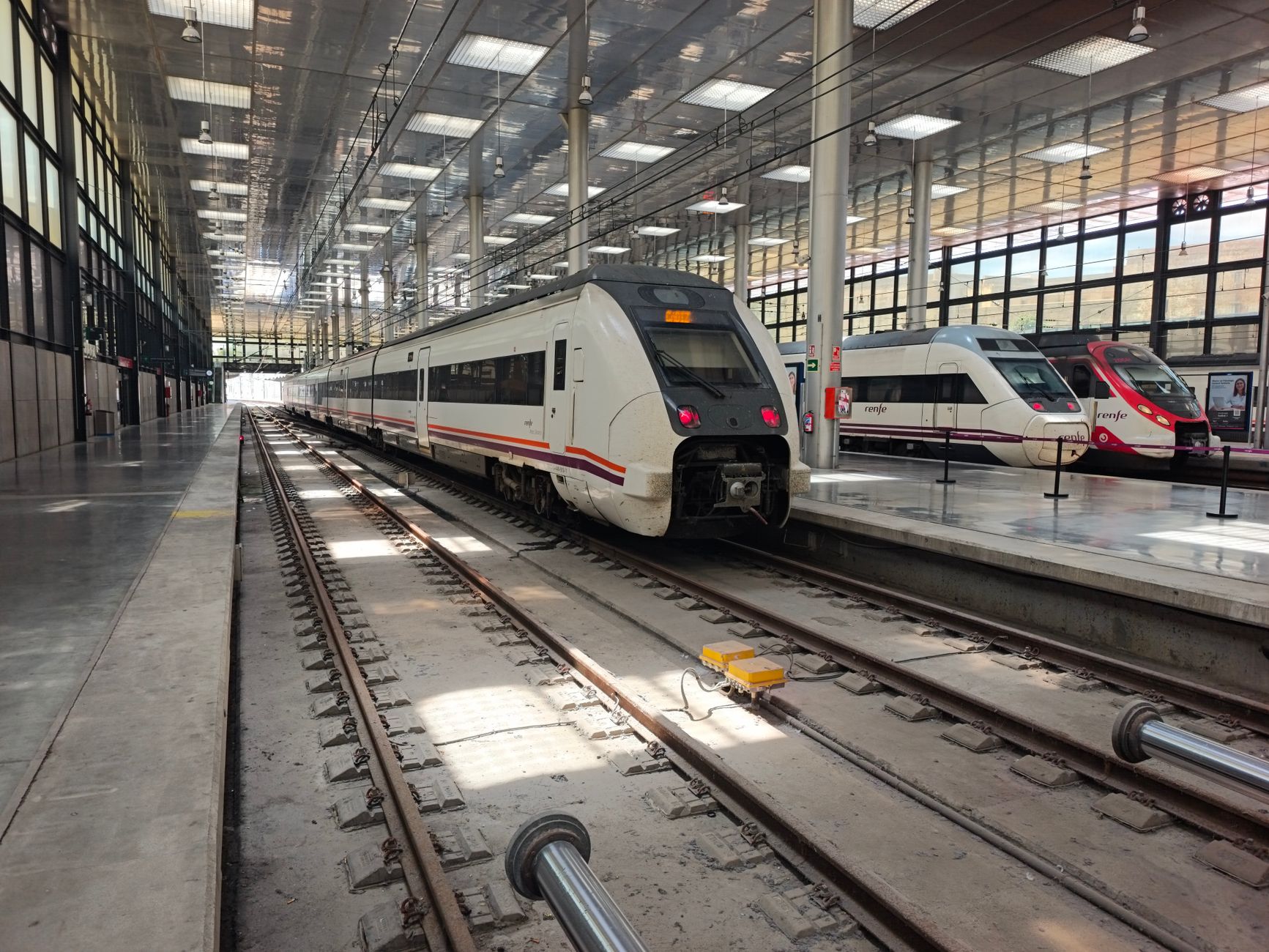 High-speed train at Segovia Guiomar station with the sierra behind
A 27-minute train ride, one bus transfer, six hours on the ground and an argument, at the end, for not going home the same night.
Which train, and how to book it
High-speed services run from Madrid-Chamartín to Segovia-Guiomar in roughly 27–35 minutes, several times a day, on the Valladolid line. Fares swing widely with how far ahead you buy and which operator you pick, so book two to four weeks out and take the earliest departure you can face; the difference between an 08:30 and an 11:00 arrival is the difference between the cathedral to yourself and the cathedral with three coach parties. Timetables and fares change, so confirm on the operator's site rather than relying on a schedule you saw somewhere else.
The two alternatives. Coaches from Madrid's Moncloa interchange take about an hour and a quarter and cost less, and they have the decisive advantage of stopping at Segovia's bus station, a ten-minute level walk from the aqueduct — for a one-day visit that often beats the train once you account for the transfer at the other end. The conventional rail line from Príncipe Pío through the Guadarrama takes close to two hours and is a beautiful, slow ride best saved for a day when the journey is the point. For a day trip: train out early, coach back if the times suit.
Guiomar to the aqueduct: do not walk it
Segovia-Guiomar is about 6 km southeast of the old town, in open fields, and the walk in takes well over an hour along roads with no interest whatsoever. Urban bus line 11 is timed to train arrivals, costs a couple of euros paid on board, and reaches Plaza del Azoguejo beneath the aqueduct in roughly fifteen minutes. It is the single most useful piece of local knowledge for this trip. There is a taxi rank outside the station too, at around €10–13 into the centre, worth it if you are four people or arriving at an odd hour.
Coming back, allow more margin than you think: the same bus takes 15–20 minutes plus waiting, so leave the aqueduct 45 minutes before your train. If you miss it, a taxi from the Azoguejo rank is the fallback but the rank empties on Sunday evenings. Left luggage is not something to count on at either the station or in the old town — check in advance if you are carrying bags, and otherwise travel with a daypack only. Segovia is 1,000 m up and 5 °C cooler than Madrid; carry a layer even in June.
09:15–11:30: aqueduct, Calle Real, cathedral
Step off the bus at the Azoguejo and stand underneath the tallest arches first: 167 of them, 28 m high here, first-century granite laid dry with no mortar. Then climb the staircase beside it to the Postigo viewpoint for the sightline along the channel — fifteen minutes, free, and it is the correct order because the scale only lands from above. Walk up Calle Real past the Casa de los Picos with its diamond-cut façade and the Torreón de Lozoya, stopping for a coffee and a slice of ponche segoviano, the marzipan-topped local cake, for about €4.
Reach Plaza Mayor by 10:45 for the cathedral, begun in 1525 and the last great Gothic church built in Spain — the nave takes 30 minutes, but the guided tower climb, when slots are available, is the better hour: bell chamber, roof-level walkway and the whole city under you. Book it online in advance; capacity is limited and summer weekends sell out. If the climb is full, do not linger inside. Cross the square instead and use the time on the Judería lanes towards the Puerta de San Andrés.
11:30–14:00: Alcázar, tower, and the view from below
The Alcázar sits on the prow where the Eresma and Clamores meet, 80 m above the valley, rebuilt in the 19th century after a fire but medieval underneath and unarguably the image people come for. Buy the combined ticket that includes the Torre de Juan II: 152 spiral steps to a parapet with the cathedral, the walls and the Sierra de Guadarrama laid out in one turn. Ninety minutes covers palace and tower at a decent pace. Timed entry is used at busy periods, so buy online the night before if you are visiting between June and September.
Then do the thing day-trippers skip. Leave by the Puerta de Santiago in the north wall and drop the stepped path into the Eresma valley for ten minutes: the Pradera de San Marcos meadow gives you the castle head-on from beneath, which is a better photograph than anything from inside it. Walk five minutes further to the Real Casa de Moneda, Philip II's water-powered mint of 1583, if you have the appetite for a 40-minute visit. Otherwise climb back up and go straight to lunch — you have earned it and the kitchens are open.
14:00–16:00: the roast, and what it costs
Lunch is the point of Segovia as much as the aqueduct. Cochinillo asado — suckling pig roasted in a wood oven and traditionally carved with the edge of a plate — is served at the classic asadores clustered around the aqueduct and the old town, among them Mesón de Cándido at the foot of the arches, Restaurante José María off Plaza Mayor, and Casa Duque on Calle Cervantes. Reckon on €28–34 a head for a quarter portion with a starter, more with wine. Book: on Saturdays and in high season these places turn away walk-ins from 13:30.
If a whole roast is too much, order judiones de La Granja — the big butter beans stewed with chorizo and ear — or sopa castellana with garlic and paprika, or a plate of torreznos, and eat for €14–20 on a weekday menú del día. Vegetarians should look at the bars on Calle Infanta Isabel rather than the asadores, where the concept is not well served. Whatever you eat, sit down at 14:00 sharp; a 15:00 arrival at a full asador on a Saturday will cost you the afternoon.
16:00–19:00: the afternoon most people waste
Post-lunch, keep it flat and shaded. Options, in order of return on effort: the Judería, including the Puerta de San Andrés wall centre and the old Jewish cemetery on the hillside opposite; the Museo Esteban Vicente, a small, well-hung collection of a Segovian who spent his career in New York abstract expressionism; the Zuloaga ceramics in the Romanesque shell of San Juan de los Caballeros; and the Casa-Museo Antonio Machado, the lodging house where the poet lived from 1919 to 1932, preserved with its brazier and iron bed. None takes more than 50 minutes.
Save the last hour for Plaza Mayor at 18:30 with a caña and a tapa for €3, watching the paseo. Then, if your train is late enough, walk out through the Puerta de Santiago again for the western light on the Alcázar. Note the Monday problem: several museums close, and the Alcázar and cathedral keep reduced hours on some public holidays — check the day's openings before committing your afternoon. In winter, dusk at 18:00 shortens everything, which argues for the earliest possible train out of Chamartín.
The case for staying the night
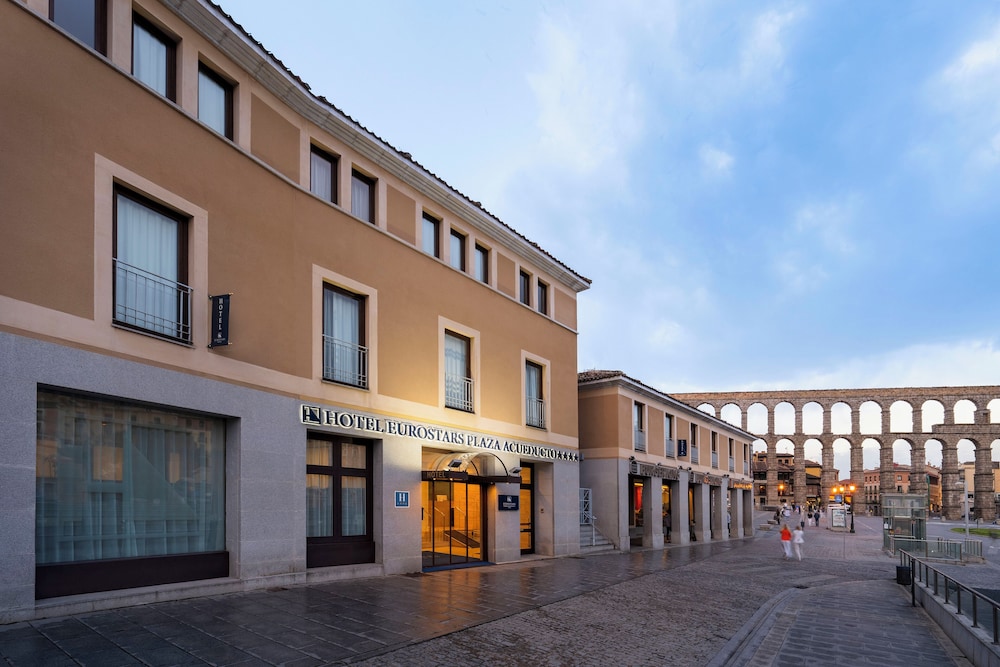
Everything above is doable in a day, and everything above misses the two best hours in Segovia: 22:00, when the aqueduct is floodlit and the Azoguejo is full of people who live here, and 08:30, when the Plaza Mayor is a delivery van and a dog. A night costs €70–100 in an old-town guesthouse, €110–160 in a mid-range hotel near Plaza Mayor, and around €90–130 in the modern hotels down by the aqueduct which are the easiest for a late arrival with a bag. Against a second set of train fares, the maths is closer than you think.
Staying also unlocks the second day that makes the trip: the bus to La Granja de San Ildefonso, 20–25 minutes from the bus station, for the palace, the tapestry collection and 1,500 hectares of gardens whose 26 fountains run only on scheduled days — check the Patrimonio Nacional calendar. Or the Eresma valley walk, Vera Cruz and the Royal Mint at a proper pace. Do the day trip if Madrid is your base and time is short; book the night if you have any flexibility at all, and take the 09:00 train home instead.
Before you book
The questions people ask about Segovia, answered with this month’s numbers.
With an 08:30-ish departure from Chamartín and a return around 19:30, you get roughly nine hours in Segovia minus about an hour of transfers at the Guiomar end — so six and a half to seven usable hours. That is enough for the aqueduct, cathedral, Alcázar, a proper lunch and one museum, and nothing more.
Coach if you want to be dropped ten minutes' walk from the aqueduct and do not mind an hour and a quarter. Train if you value the 27–35 minute run and accept a bus or €10–13 taxi from Guiomar. Many people take the train out in the morning and the coach back.
Yes for the cathedral tower climb, which runs on limited guided slots and sells out at weekends and in summer. The Alcázar generally admits at the door but uses timed entry at busy periods, so buying online the night before removes the only real queue risk in your day.
Not sensibly. La Granja needs three hours minimum with the palace and gardens, plus a 50-minute round bus trip, and it would cost you the Alcázar or lunch. Either make it a second day with an overnight stay, or dedicate the whole day trip to La Granja and skip the city.