Quiet Weekday Stays in Segovia: What to Expect in Winter
 Quiet Weekday Stays in Segovia: What to Expect in Winter
Segovia's winter weekdays bring empty aqueduct views, open fires and hotel rates well below spring levels — here is how to plan around the cold and the closures.
Weather, light and what the cold actually feels like
Segovia sits at about 1,000 metres on the Meseta, and winter weekdays are genuinely cold: daytime highs in December and January often hover around 7–10°C, and nights regularly drop to freezing or below. The compensation is light. With the sun low, the Aqueduct and the Alcázar cast long shadows across Calle Real and the Plaza Mayor by mid-afternoon, and the sandstone glows warm even when the air does not. Rain is less frequent than in spring, but when it comes it arrives as a raw, wind-driven drizzle off the Sierra de Guadarrama.
What surprises visitors is the wind funnelling down the Eresma valley and along the shaded lanes of the Judería. Pack a proper coat, hat and gloves, and shoes with grip — the old town's granite setts get slick near the Azoguejo and around the Plaza del Socorro. Snow is occasional rather than routine, but a dusting on the Alcázar towers is worth the numb fingers. Check the forecast the day before and shift your outdoor plans to the milder afternoon window.
Why weekdays are the point in winter
From Monday to Thursday between December and February, Segovia feels like a working city rather than a day-trip destination. The Aqueduct at the Azoguejo is photographable without crowds, the Alcázar ticket queue is short, and the cathedral is quiet enough to hear your own footsteps. This is the inverse of Madrid's weekend pattern, where trains from Chamartín fill the old town by 11am on Saturdays. If you want the postcard views without elbows, take a Tuesday or Wednesday.
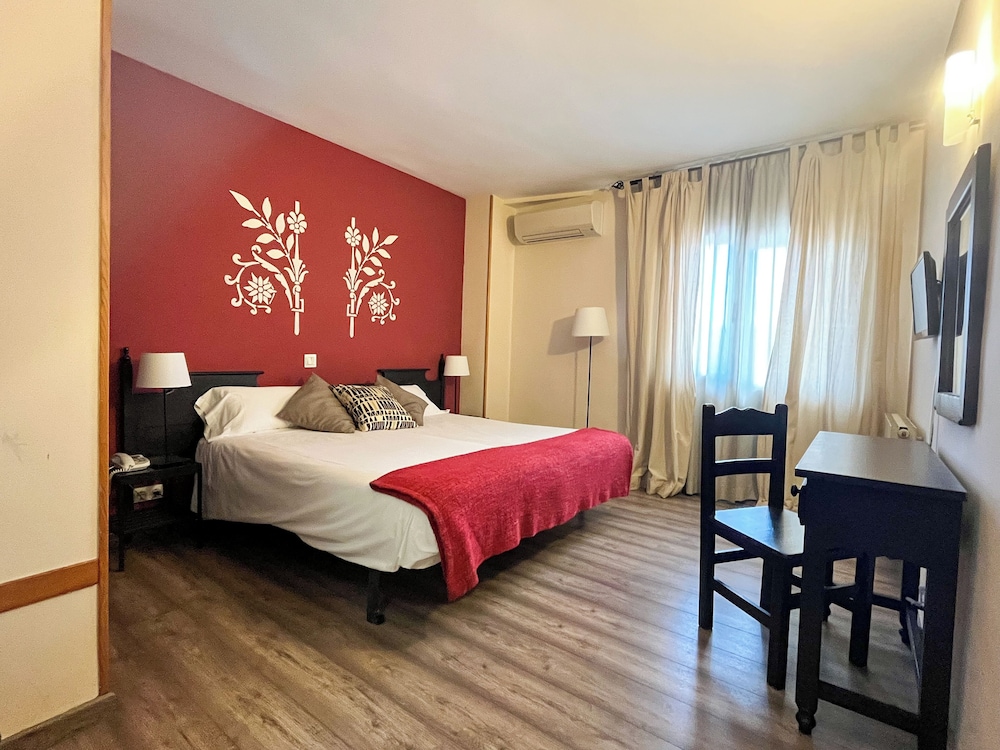
Hotel rates reflect that. Winter weekday rooms in the old town commonly sit in a moderate mid-range band, well below the spring and autumn peaks, and the better properties on or near Calle Real, the Plaza Mayor and the streets around the cathedral are more likely to have their best rooms free. Booking direct with a hotel often secures a quieter interior room or a late checkout, which matters when the mornings are dark and cold. The trade-off is real: some restaurants and small museums cut weekday hours, so plan around them rather than assume everything is open.
What stays open, what closes, and where to base yourself
The Alcázar, the cathedral and the Aqueduct are open year-round and are reliably quiet on winter weekdays. The Centro Didáctico de la Judería and the Casa-Museo de Antonio Machado keep shorter hours, and some small chapels such as Vera Cruz operate reduced winter schedules — check before you walk out to the Eresma. Restaurants are the bigger variable: many in the Judería and around the Plaza Mayor close on Mondays or Tuesdays, and the famous cochinillo houses prefer weekend bookings. The covered market on the Plaza del Azoguejo is a useful weekday lunch fallback.
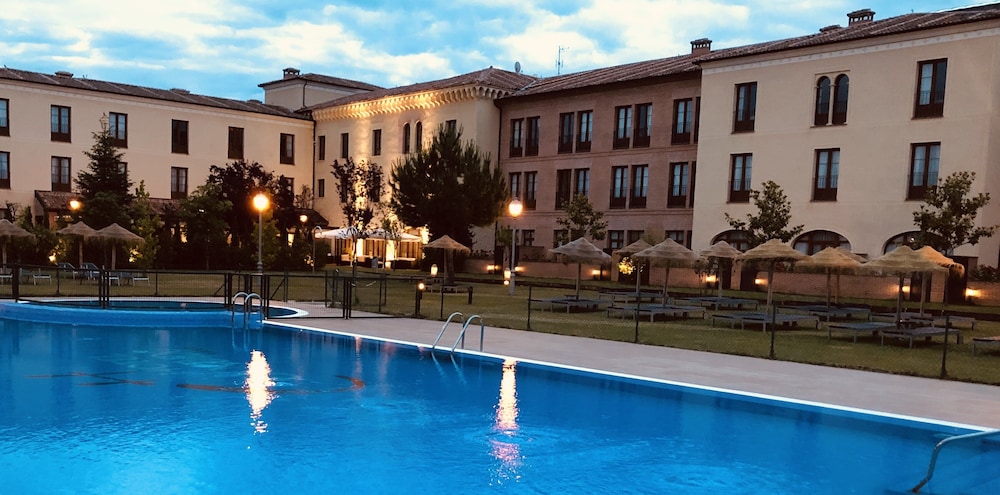
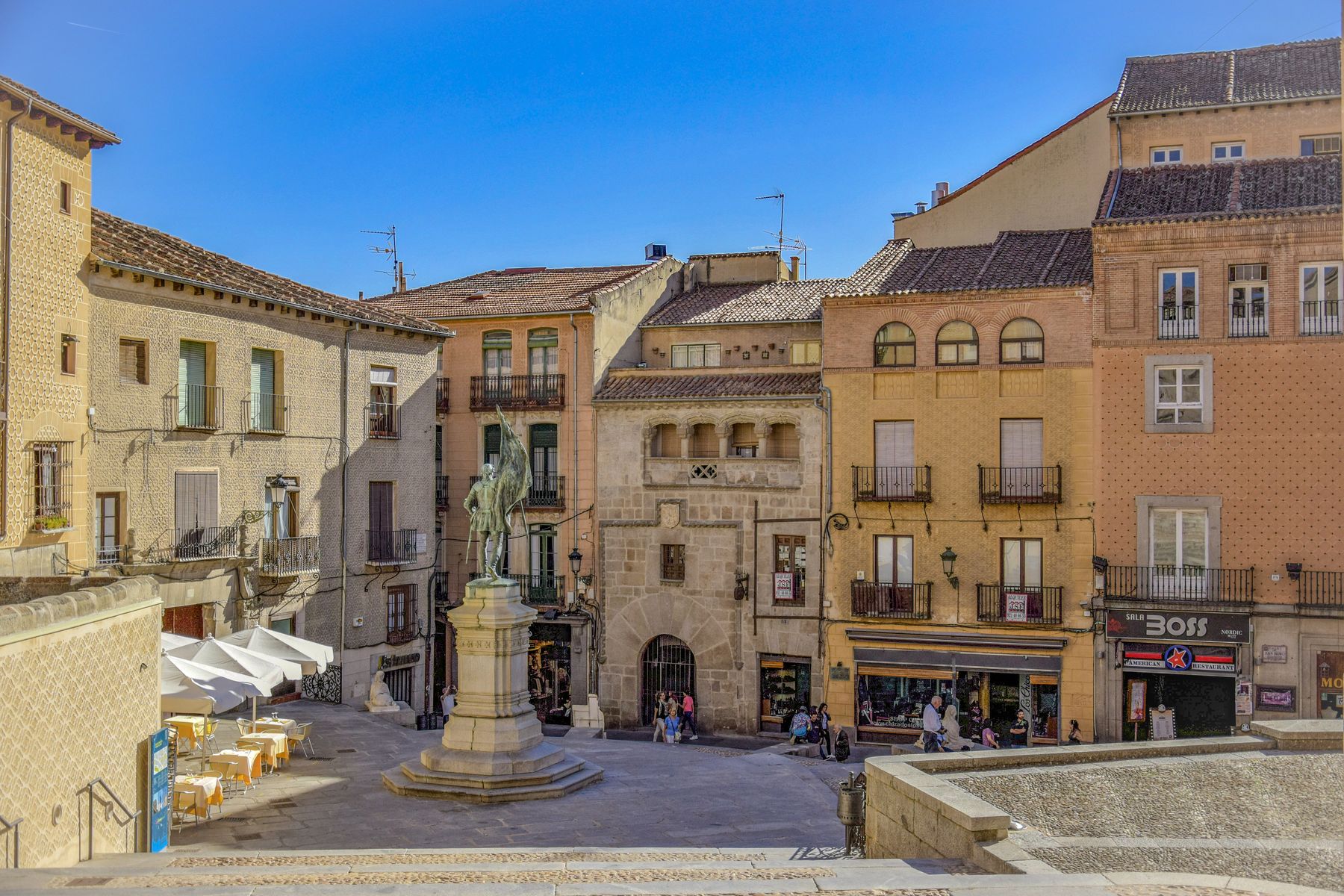
For a quiet weekday stay, I would book inside the old town rather than out by the station. The streets between the Plaza Mayor and the Alcázar put the main sights within a ten-minute walk and let you retreat to a warm room mid-afternoon. The area around the Plaza del Socorro and Calle Isabel la Católica is central but calmer at night than Calle Real. The new town across the Aqueduct is cheaper and has more everyday shops, but you will cross the Azoguejo on foot or by bus each time. The Renfe station is about 2.5 km out; the bus to the centre takes around ten to fifteen minutes.
Getting there and making the days work
The high-speed Avant from Madrid Chamartín reaches Segovia-Guiomar in roughly 25–30 minutes, and weekday trains are frequent and rarely full in winter. From Guiomar, bus line 11 runs into the old town; a taxi to the Aqueduct is short and inexpensive. If you drive, the A-6 motorway gets you from Madrid in about an hour in clear conditions, but winter fog on the Somosierra and ice on the approaches to the city are worth respecting. Parking in the old town is limited, so a hotel with its own garage or a spot in a public car park near the Acueducto is the practical choice.
Build the day around light and warmth. Start with the Aqueduct and a coffee near the Azoguejo, climb to the Alcázar before midday, and take the cathedral in the early afternoon when the cloister is sheltered. Walk the Murallas and the Eresma banks only if the wind is low. Finish with an early dinner — many kitchens open at 8pm rather than 9pm in winter — and a short stroll to see the Alcázar lit up. Keep one flexible half-day for a side trip; La Granja de San Ildefonso and its palace are about 11 km away, though winter weekday opening hours there are limited.
Before you book
The questions people ask about Segovia, answered with this month’s numbers.
Yes, if you want the Aqueduct and Alcázar without crowds. Expect cold mornings near freezing, short daylight and some restaurants closed early in the week. The upside is easier hotel availability and a calmer old town. Check opening hours before you go and plan outdoor time for the milder early afternoon.
January is the coldest month, with daytime highs often around 7–10°C and nights frequently at or below freezing. Rain is less common than in spring, but wind off the Sierra de Guadarrama makes it feel sharper. Snow is occasional. Bring a warm coat, gloves and shoes with grip for the old town's polished stones.
I would book between the Plaza Mayor and the Alcázar, near Calle Isabel la Católica or the Plaza del Socorro. You can walk to the main sights in under ten minutes and retreat to a warm room in the afternoon. The new town across the Aqueduct is cheaper but means crossing the Azoguejo each time.
Many are, but several close on Mondays or Tuesdays, particularly smaller places in the Judería. The roast suckling pig specialists often prefer weekend bookings. The covered market at the Plaza del Azoguejo is a reliable weekday lunch option. Check hours the day before and book ahead for dinner.
The Avant train from Madrid Chamartín takes about 25–30 minutes to Segovia-Guiomar, with frequent weekday services. From there, bus line 11 or a short taxi ride reaches the old town. By car, the A-6 motorway takes about an hour in clear conditions, but winter fog and ice on the passes are worth checking.
A warm, windproof coat, hat, gloves and layers, plus shoes with grip for the granite setts around the Azoguejo and the Judería. Afternoon light is good for photography, so bring a camera. An umbrella is less useful than a hood in the wind. Nights are cold, so a scarf for evening walks to see the Alcázar lit up.
The Alcázar is open year-round and is noticeably quieter on winter weekdays. Hours are shorter than in summer, so check the official schedule before you go. The cathedral and the Aqueduct are also open daily. Small chapels such as Vera Cruz may have reduced winter hours, so confirm before walking out to the Eresma.
La Granja de San Ildefonso is about 11 km from Segovia and worth a half-day if the weather is clear, but winter weekday opening hours at the palace are limited. Check before you go. I would keep it as a flexible option rather than the centrepiece of a short winter stay.