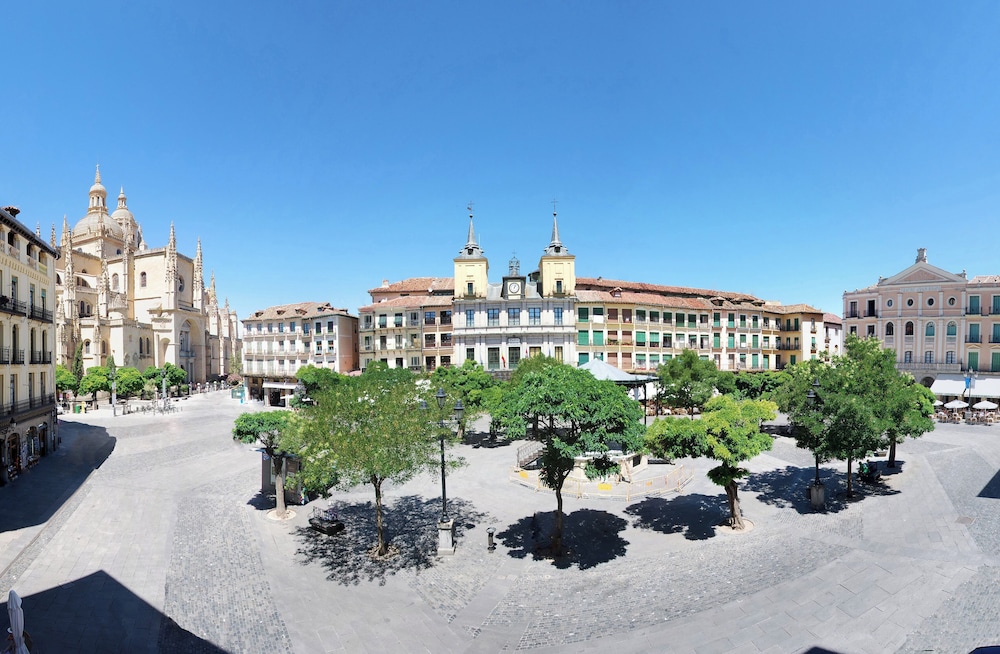
Quiet Mornings in Segovia's Judería: Streets to Walk Before the Crowds
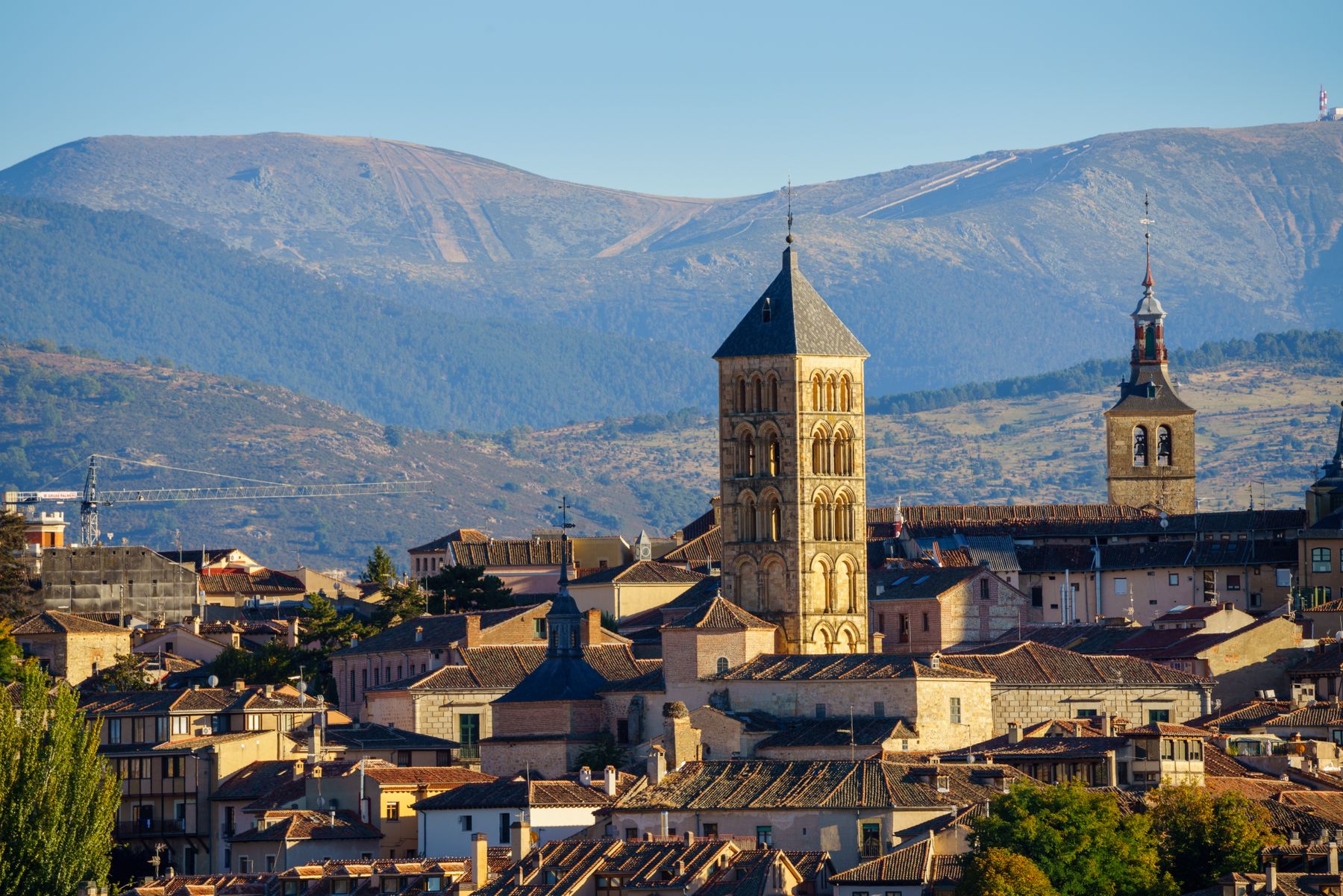 Quiet Mornings in Segovia's Judería: Streets to Walk Before the Crowds
The old Jewish quarter between the Plaza Mayor and the city walls is at its calmest before nine, and which lane you pick changes everything.
Why the Judería Wakes Slowly
Segovia's Judería occupies the western edge of the walled old town, a tangle of lanes that runs from the corner of the Plaza Mayor down toward the Puerta de San Andrés and the old Jewish cemetery on the slope below. Most day visitors arrive by bus or train around ten and funnel straight up Calle Real toward the Aqueduct and the Alcázar, which means the quarter's own streets stay empty well past eight. In April and October, sunrise lands near 8am and the lanes hold a blue half-light; in July you can walk at seven in genuine cool.
The single most useful fact for an early walker is that Segovia's cathedral bells and the tourist-office opening hours set the rhythm. Nothing in the Judería opens before ten except a couple of bakeries on Calle de la Judería Vieja. That leaves a two-hour window when the cobbles are yours, the doorways of the Cava Alta and Cava Baja cellars are still shuttered, and the only company is someone sweeping a doorstep. Book a hotel inside the walls and you get that window without a taxi.
The Quietest Lanes, Ranked
Start with Calle de la Judería Vieja, which runs below the cathedral's apse. It is narrow, north-facing and shadowed until mid-morning, and it carries almost no through traffic because it dead-ends near the Puerta de la Luna. Ten minutes there and you hear nothing but your own steps. From it, Calle de la Albardería and Calle de la Almuzara branch off in short flights of steps — these are the true silence, but they are steep and slippery after rain, so wear proper shoes and skip them if it has been wet.
Calle de los Leones and Calle de la Rúa are prettier but busier: Rúa is the old artisans' street and by half past nine you will meet the first guided groups heading for the Plaza Mayor. My pick is a loop: enter from the Plaza Mayor at the corner of Calle de la Judería Vieja, drop to the Puerta de San Andrés, follow the outside of the wall to the Mirador de la Muralla for the view over the Eresma valley, then climb back through Calle de la Almuzara. That is about 1.2 km and takes forty minutes at an unhurried pace. If you want one street only, take Judería Vieja and leave the viewpoints for later.
Calle del Malcocinado and the lane beside the Corpus Christi convent are worth ten minutes each, but they see delivery vans from about 8.30. The Plaza del Seminario, just outside the quarter's southern edge, is open and bright rather than hushed — fine for a coffee, wrong for a quiet walk.
Where to Sleep to Catch It
Staying inside the walls matters more here than in most Spanish cities, because the old town sits on a rocky spur and the approach roads climb. Hotels cluster around the Plaza Mayor and along Calle de Juan Bravo, a five- to ten-minute walk from the Judería's lanes. Anything within that ring lets you be out at seven without a bus. Properties on the far side of the Aqueduct, in the San Millán and El Salvador quarters, are cheaper and perfectly pleasant, but you add a fifteen- to twenty-minute uphill walk before you have even started.
For this specific early-morning plan I would book somewhere within 400 metres of the Plaza Mayor — the streets around the Plaza de la Universidad and Calle de la Infanta Isabel are ideal. Expect to pay more than in the newer town; the premium buys you the empty lanes at dawn and the ability to return for a nap. Check that the room is not on a street with a bar terrace, since Segovia's late dinners mean tables are cleared around one in the morning. Ask for an interior room and confirm the breakfast start time.
Practicalities for the Early Walk
Segovia sits at about 1,000 metres, so mornings are cold from November to March — often close to freezing — and the shade in the Judería's north-facing lanes lingers. Bring a layer even in June. The lanes are cobbled and some are stepped; trainers are fine, heels are not. Public lighting is good, and the quarter is residential and calm, but it is also genuinely quiet: walk with normal city awareness and keep to the wider lanes before full daylight if you are on your own.
Coffee before nine means the bakeries on Calle de la Judería Vieja and a handful of places on Calle de la Infanta Isabel; the terraces on the Plaza Mayor start setting out chairs around nine thirty. The cathedral opens at ten and the Alcázar at ten, so an early walk slots neatly before either. Allow two hours for the lanes plus the wall viewpoint, then double back for the Aqueduct when the light is better. Skip the guided night tours — the same streets are calmer, and free, at dawn.
Before you book
The questions people ask about Judería, answered with this month’s numbers.
Between about seven and nine in the morning. Nothing in the quarter opens before ten, day-trippers arrive from Madrid around ten, and the lanes stay almost empty. In summer, aim for seven to catch the cool; in winter, wait until eight for daylight.
It lies in the western part of the walled old town, between the Plaza Mayor and the city walls, running down toward the Puerta de San Andrés. The old Jewish cemetery is on the slope outside the walls below.
A loop from the Plaza Mayor through Calle de la Judería Vieja, out to the Puerta de San Andrés and the Mirador de la Muralla, and back up Calle de la Almuzara is roughly 1.2 km and forty minutes at an easy pace.
Yes, if early walks matter to you. A hotel within 400 metres of the Plaza Mayor puts you in the lanes in five minutes; stays across the Aqueduct in San Millán or El Salvador add a fifteen- to twenty-minute uphill walk.
The main lanes are cobbled and fine, but Calle de la Almuzara and Calle de la Albardería include stepped sections that become slippery after rain. Wear shoes with grip, and stay on Judería Vieja and the wider lanes if it has been wet.
April, May, June, September and October give mild mornings and reasonable light. July and August are fine at seven but heat up fast; December to February are crisp and often below freezing, so bring a warm layer.
Definitely. The cathedral opens at ten, so the lanes around its apse are at their best beforehand. Walk first, then be at the door for opening, or do the Alcázar first at ten and come back to the quarter later.
Only a couple of bakeries on Calle de la Judería Vieja open before nine. The terraces on the Plaza Mayor start setting out chairs around nine thirty, so plan to walk first and eat afterwards.