What is overrated in Segovia? An honest skip list
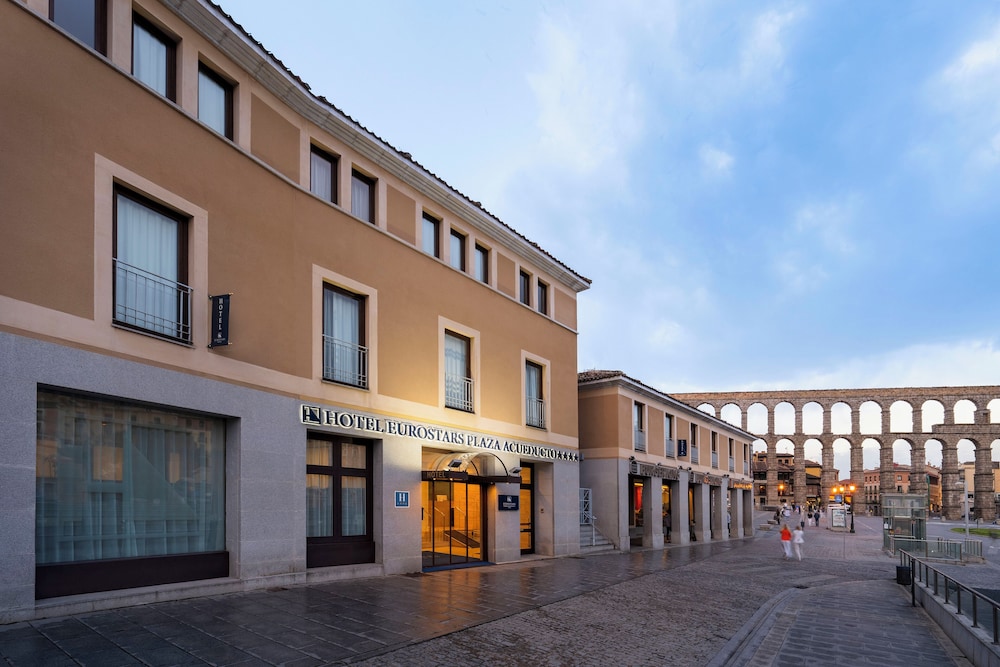
 Souvenir stalls and busy terraces beneath the arches of the Segovia aqueduct
Four things soak up most of the money and time visitors waste here, and swapping them out saves a couple of hours and somewhere around €40-60 per person over a two-day stay.
The ground rule: Segovia's best things are free
Before the skip list, the context that makes it make sense. The Aqueduct costs nothing. The walk down to the Eresma meadow, the Judería lanes, the cathedral's exterior from Plaza Mayor, the walls, the view from the Cuesta de los Hoyos road on the Clamores side — all free. The paid experiences worth their entry fee are few and specific: the Alcázar, the cathedral interior, and the royal palace and gardens at La Granja. Almost everything sold as an addition to those is optional, and some of it is actively worse than what it replaces.
That framing matters because Segovia is compact enough to over-programme. Two full days covers the town comfortably; visitors with two days often buy enough tickets and add-ons for four. The list below is not about being cheap — the roast lunch stays on the list of things worth doing. It is about which euros buy something you will remember and which ones buy queueing, laminated menus and a slightly worse version of a thing available for nothing 200 metres away.
The Aqueduct at midday, and the stalls beneath it
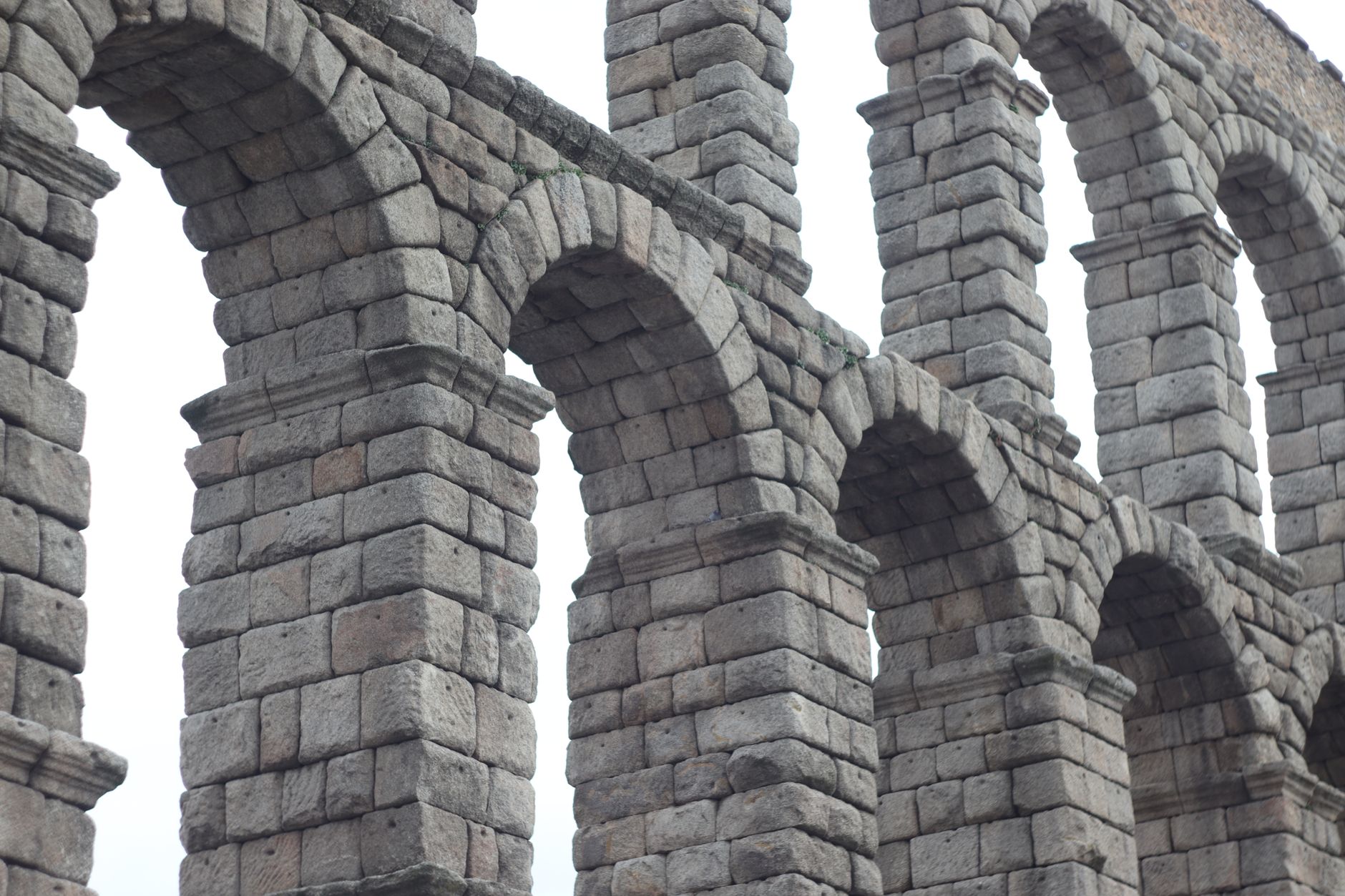
The monument is not overrated — 28 metres of mortarless granite standing since Roman engineering put it there is exactly as good as promised. What is overrated is experiencing it at 12:30 on a July Saturday, wedged between coach groups on Plaza del Azoguejo with a queue for the same photograph everyone else is taking. The Aqueduct rewards 08:30, when the low sun rakes across the arches and the square is empty, or 21:30 in summer when it is lit and the day-trippers have gone.
The souvenir stands and shops immediately around Azoguejo are the weakest retail in the city: mass-produced ceramics, fridge magnets and boxed sweets at a markup that reflects footfall rather than quality. If you want something to take home, walk five minutes up Calle Juan Bravo or Isabel la Católica to the established pastry shops and small artisan retailers, or buy a bottle from the Valtiendas or Ribera del Duero wine racks in an ordinary shop outside the walls. Same money, better object, and the pastry actually tastes of something.
The full cochinillo blowout, honestly assessed
Suckling pig in Segovia is a genuine local tradition, not a tourist invention — the roast, the crackling carved with the edge of a plate, the whole ceremony. It is worth doing once. What is overrated is doing it in the biggest, most Aqueduct-adjacent dining room at the highest price point, as a two-person set menu, at the peak of the season. A ration typically runs €25-32 per head in the city and full menus climb well beyond that, and at the busiest tables in the busiest rooms you are paying partly for the address.
Two better versions. First, the asadores out along the N-110 at Torrecaballeros, where the wood ovens are the point and the room is full of Spanish families; you need a car or a taxi. Second, switch animals: Sepúlveda's roast lamb, lechazo, is the province's other great dish and arguably the better one, served in a hilltop town with a river gorge attached. If you only have one lunch and no transport, book a well-regarded city roasting house midweek and share a ration rather than ordering one each — the portions defeat most people.
La Granja's fountains, and the expectation problem
La Granja de San Ildefonso is one of the best half-days in Spain: a Bourbon palace, formal French gardens on a mountainside and pine forest above. The overrated part is the assumption that the famous fountains will be playing when you visit. They run on a limited calendar of announced dates and scheduled displays rather than continuously, they are gravity-fed and weather-dependent, and building a day around them without checking is a classic way to arrive at a set of silent, dry sculptures.
So check the official Patrimonio Nacional calendar before you go, and if the dates do not align, go anyway — but go for the gardens, the palace interiors and the mountain air rather than the water. The bus from Segovia takes about 20 minutes for a couple of euros, so it is a cheap trip even without the spectacle. And if the fountain dates do fall in your window, expect crowds and arrive early: everyone else has read the same calendar.
Terraces on the main squares
Sitting outside on Plaza Mayor or facing the Aqueduct is a legitimate pleasure and worth doing once with a coffee or a vermouth. It is a bad place to eat a meal. Terrace pricing in Spain carries a premium over the bar, the kitchens serving the highest-turnover tourist terraces are not where the town's cooking talent concentrates, and the menus tell you everything by being translated into five languages with photographs. You are buying the view, which is fine — just buy it with a drink, not a €22 plate.
The alternative is 200 metres away. The bars along Calle Infanta Isabel, the smaller places in the streets behind the cathedral, and anywhere out towards Calle José Zorrilla and the modern districts serve the same city at local prices — a caña for around €2 to €3, raciones to share, and a room where people are speaking Spanish. Stand at the bar rather than taking a table and the bill drops again. Segovia is small: the walk from the postcard square to a better dinner is four minutes.
Tours and tickets you probably do not need
The old town is 1.5 km end to end with signage and a single obvious spine. A guided walking tour adds real value if the guide is a specialist — Roman engineering, Jewish Segovia, the cathedral's late-Gothic construction — and adds very little if it is a general orientation stroll you could do with a map. Free walking tours are not free: the expected contribution lands around €10-15 per person, so compare that against a paid specialist tour rather than against zero.
Combined monument tickets deserve arithmetic rather than reflex. Work out whether you will genuinely visit every included site in the time you have; two-day visitors often do not. The Alcázar's Torre de Juan II is a separate consideration — roughly 150 spiral steps, no lift, and a view that is superb but not better than the free panorama from the Eresma valley or the Clamores side. If your knees are negotiating, save them for the walk down to the meadow.
What is underrated instead
The Eresma valley circuit. Almost nobody who arrives at 11:00 and leaves at 17:00 sees it, and it contains the twelve-sided Vera Cruz church, the Parral monastery below the north walls, the old mint buildings by the river, and the single best angle on the Alcázar. It costs nothing beyond the climb back up. Give it 90 minutes in the morning and it becomes the memory you keep.
Also underrated: the Romanesque parish churches scattered through San Millán, San Lorenzo and San Marcos, with their arcaded porches, which are free to look at and often open around service times; the Thursday street market for ordinary provincial life; and simply eating lunch at 14:30 in a neighbourhood restaurant on a menú del día for €14-18 instead of assembling a food itinerary. The province's under-visited corners — Turégano's fortress-church, Coca's brick castle, the Duratón gorges — reward a rented day far more than a second lap of the old town does.
What the swaps save you
Run the numbers on a two-day stay for two people. Skipping one terrace lunch on a main square in favour of a neighbourhood menú del día saves roughly €25-30 for the pair. Sharing a cochinillo ration instead of ordering two saves a similar amount without anyone leaving hungry. Dropping a general orientation tour saves €20-30. Choosing free viewpoints over one paid tower climb saves a smaller sum but buys back an hour of daylight.
Total: somewhere in the region of €80-100 across two people, plus two or three hours returned to the trip. Spend a chunk of that on the one thing genuinely worth upgrading — a properly booked roast at a serious asador, or the rental car that gets you to Pedraza and Sepúlveda — and the same budget produces a substantially better visit. That is the whole argument: not spending less, but moving the money from the things Segovia sells easily to the things it does best.
Before you book
The questions people ask about Segovia, answered with this month’s numbers.
Once, yes — it is a real Castilian tradition rather than a tourist stunt. Book midweek, consider sharing a ration at €25-32 per head instead of ordering one each, and if you have transport, compare the wood-oven asadores out on the N-110 at Torrecaballeros or the roast lamb in Sepúlveda.
Only if you enjoy towers for their own sake. It is roughly 150 narrow spiral steps with no lift, and the panorama, while excellent, is not better than the free view of the Alcázar itself from the Pradera de San Marcos or the Cuesta de los Hoyos road on the Clamores side.
Only if you have confirmed the dates. They play on an announced, limited calendar rather than continuously, and they depend on water levels and weather. Check Patrimonio Nacional's published schedule first; if it does not match your dates, still go for the palace and gardens, which stand on their own.
The walk down into the Eresma valley beneath the north walls, taking in the Vera Cruz church and the Parral monastery, with the Alcázar rising above the trees. It is free, takes around 90 minutes with stops, and most day-trippers never leave the ridge to see it.