Live Music and Theatres in Segovia: A Practical Evening Planner
 Live Music and Theatres in Segovia: A Practical Evening Planner
How to build an evening around Segovia's theatres and small stages, from the Teatro Juan Bravo to flamenco rooms near the Aqueduct, with realistic timings and neighbourhood notes.
Start with the Teatro Juan Bravo and the Plaza Mayor
The Teatro Juan Bravo sits just off the Plaza Mayor, a few minutes' walk uphill from the Aqueduct along Calle Juan Bravo and Calle Cervantes. It is the city's main stage for theatre, dance and classical music, and the programme leans towards touring Spanish companies rather than big international names. Because the auditorium is compact, even a seat towards the back keeps you close to the performance. Check the theatre's own programme before you go, since the season thins out in July and August and picks up again from October.
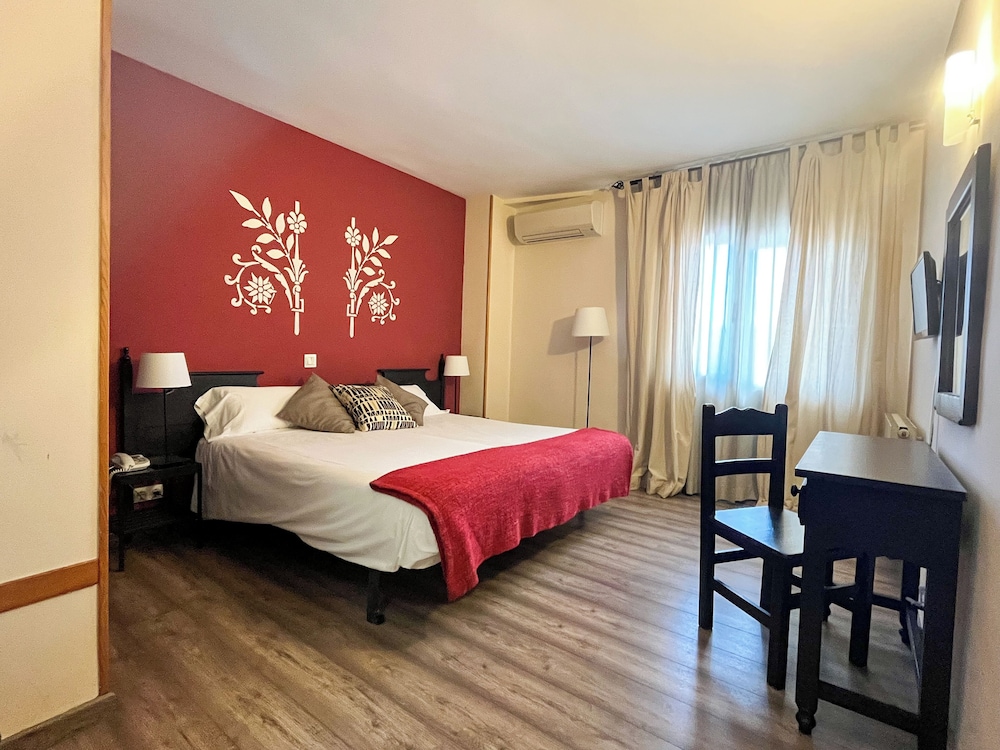
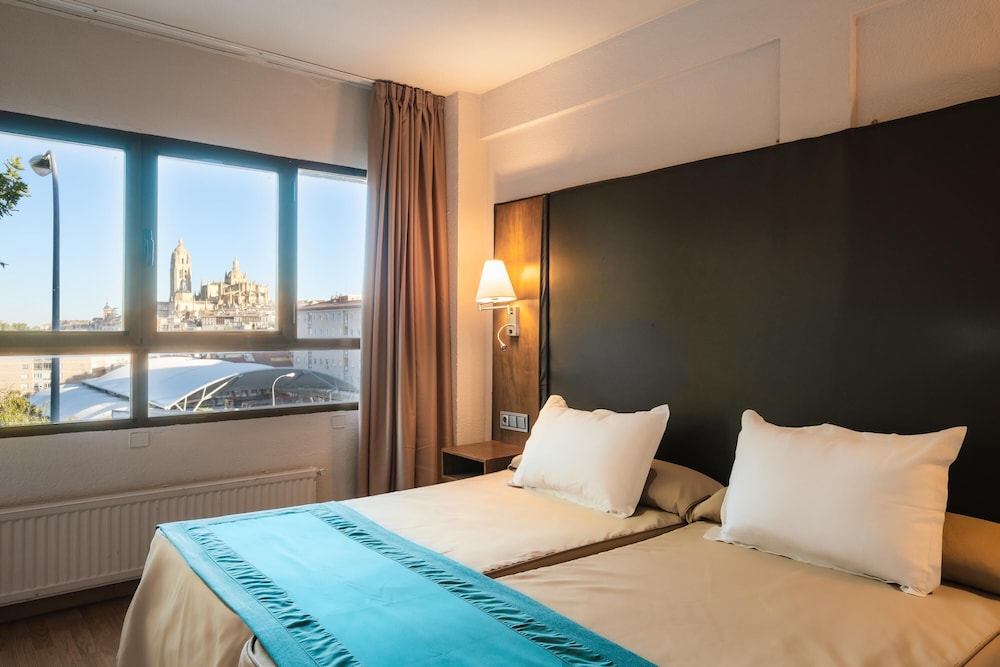
Book your hotel within the old city if the theatre is the reason for the trip. The streets between the Plaza Mayor and the Aqueduct — around Calle Isabel la Católica and the Plaza del Azoguejo — put you within a ten-minute walk of the Juan Bravo and of most of the bars you will want afterwards. Staying out by the train station makes little sense here: it is a bus or taxi ride from the centre, and the last useful buses run before midnight.
Small stages, flamenco and cultural centres
Segovia's live-music scene is smaller and more scattered than Madrid's, and much of it happens in cultural centres and private rooms rather than dedicated concert halls. Laura Segovia Flamenco offers flamenco performances in an intimate setting, which suits travellers who want an hour of guitar and dance without a late night. Nómada Coworking - Segovia also hosts occasional cultural events, so it is worth checking its listings if you are in the city for several days. For both, confirm dates, times and whether reservations are needed before you go.
Two more names appear regularly in local listings: Salondejuegos777 and Coliseum Segovia Eventos, both used for events and gatherings rather than fixed repertory seasons, and A Paladio Arte, which works in inclusive and community theatre. The Taller Municipal de Teatro is a municipal workshop rather than a ticketed venue, so treat its output as occasional rather than something to plan a holiday around. The realistic approach is to check what is on in the week you travel rather than expecting a fixed nightly show.
Timing an evening around Spanish hours
Segovia eats late, and performances usually follow. A typical evening means a drink and a few tapas around 20:00 in the bars off the Plaza Mayor, a show starting between 20:30 and 22:00, and dinner afterwards — many kitchens serve until 23:30 or later on Fridays and Saturdays, earlier from Sunday to Thursday. If you have booked a morning visit to the Alcázar, keep the theatre night separate; the two together make a long day, and the walk back up through the old town is steeper than it looks on a map.
Spring and autumn are the comfortable months for an evening out: May, June, September and October give mild nights and a fuller cultural calendar. July and August are hot by day and quieter on stage, though the evenings along the Aqueduct are pleasant. Winter is cold on the meseta, often close to freezing after dark, so pick a hotel near the venue rather than one on the outskirts. Semana Santa and the last week of September, around San Frutos, are the busiest periods; book accommodation well ahead for those dates.
What to skip, and where to sleep
Skip the idea of a single 'music district'. Segovia has no equivalent of Madrid's Malasaña or Lavapiés; venues are dotted around the historic centre and outer neighbourhoods such as El Salvador and San Lorenzo. Chasing a late rock or jazz bar until 03:00 is not what this city does well — that is a Madrid game, 30 minutes away by high-speed train. Better to spend the evening on one performance and a slow dinner than to venue-hop. Also skip any listing you cannot confirm on an official or venue-run page.
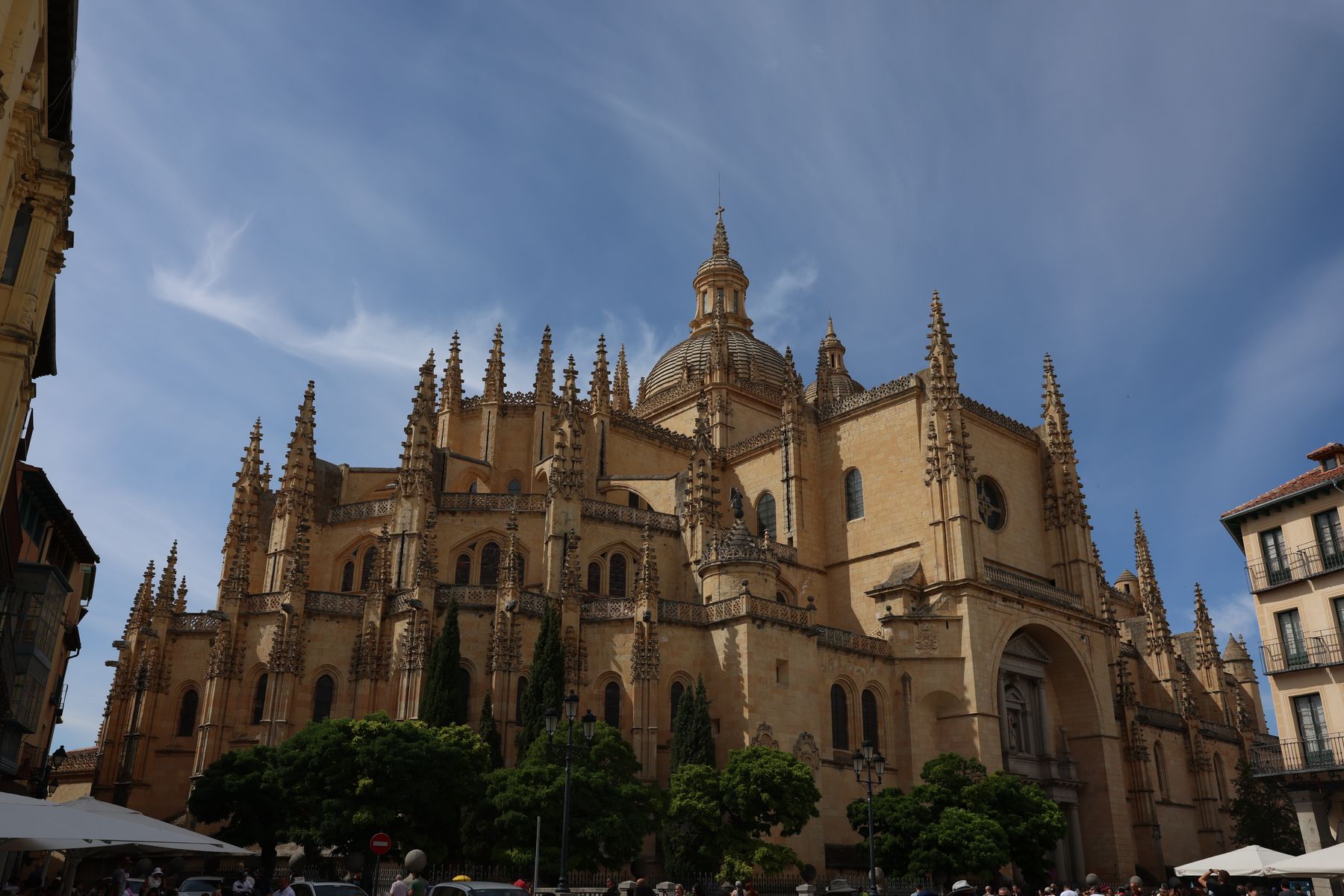
For accommodation, I would book inside the walls, in the triangle between the Plaza Mayor, the Aqueduct and the cathedral. It keeps the theatre, the flamenco room and the late bars within walking distance, and it means you are not depending on taxis after a show. Mid-range doubles in the old town generally run higher at weekends and during festivals; outside those dates the same rooms cost noticeably less. If you are driving, confirm parking before booking, because street parking in the historic centre is limited and restricted.
Before you book
The questions people ask about Segovia, answered with this month’s numbers.
For touring theatre and dance, booking ahead is sensible, especially at weekends and during festivals, because the auditorium is small. For less popular dates you can often decide a few days before. Check the theatre's own programme and box office arrangements before you go, as the season varies.
No. Flamenco in Segovia runs as scheduled performances rather than a nightly tourist show, so dates vary by week. Laura Segovia Flamenco is the specialist option in the city. Confirm the date, start time and whether to reserve before planning your evening around it.
Roughly 600 to 800 metres, a ten to twelve minute walk uphill through the old town via Calle Juan Bravo to the Plaza Mayor. It is manageable in ordinary shoes, but the streets are cobbled and sloping, so allow a little extra time if you are walking from a hotel near the Aqueduct.
Most theatre and music performances begin between 20:30 and 22:00, following Spanish evening habits. Dinner afterwards is normal, with many kitchens serving past 23:00 at weekends. Confirm the exact start time with the venue, since matinees also appear in some programmes, particularly at weekends.
May, June, September and October offer mild evenings and the fullest cultural calendars. July and August are quieter on stage and hot by day. Winter is cold after dark on the meseta, so a hotel in the historic centre matters more then. Avoid Semana Santa unless you book well ahead.
Yes. Music, dance and flamenco travel well without language, and classical or instrumental programmes need no translation. Spoken theatre is the exception, so choose dance or music if your Spanish is limited. Check the programme description to see whether a performance is text-based.
Stay in the old town, between the Plaza Mayor, the Aqueduct and the cathedral. The venues and late bars are within walking distance, and you avoid relying on taxis after a show. The station area is convenient for early trains but has little evening atmosphere and is a bus ride from the centre.
It can work, since high-speed trains from Madrid take around 30 minutes, but the last trains back leave before the late dinner hour. Staying overnight lets you see a show and eat afterwards without rushing. If you do go back the same night, check the final departure time before booking tickets.