Free Sights in Nueva Segovia: A Lazy Afternoon Itinerary
 Free Sights in Nueva Segovia: A Lazy Afternoon Itinerary
How to spend a slow, low-cost afternoon in Segovia's newer quarters, from the Aqueduct to the walls, with walking times, opening patterns and the spots worth skipping.
Start at the Aqueduct and work uphill slowly
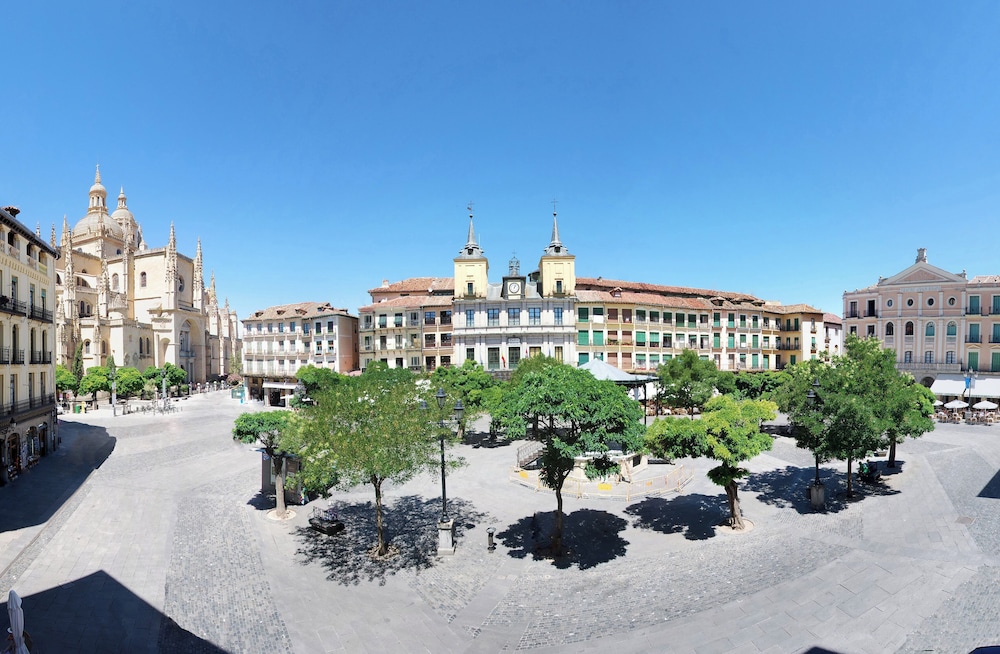
The Plaza del Azoguejo, where the Roman Aqueduct stands at its full two tiers, costs nothing and opens no doors to walk around at any hour. From the base, the climb along Calle Real toward Plaza Mayor is roughly fifteen minutes at a stroll, passing the Casa de los Picos on the left. That facade of diamond-shaped granite stones is free to look at from the street, and the courtyard behind it is usually open in the morning and early afternoon. Do not pay to enter the aqueduct interpretation centre if you only want photos; the structure itself is the sight.
Nueva Segovia, the part of the city spreading east and south of the old town, is where a lazy afternoon actually works best. From the aqueduct, follow Calle Fernández Ladreda east and you reach the Jardines de los Huertos de San Lorenzo, a shaded park with benches and a view back to the old town. It is quiet on weekday afternoons and free. This is the half of Segovia where people live and shop rather than queue, and it rewards slow walking rather than a checklist.
Walls, parks and viewpoints that cost nothing
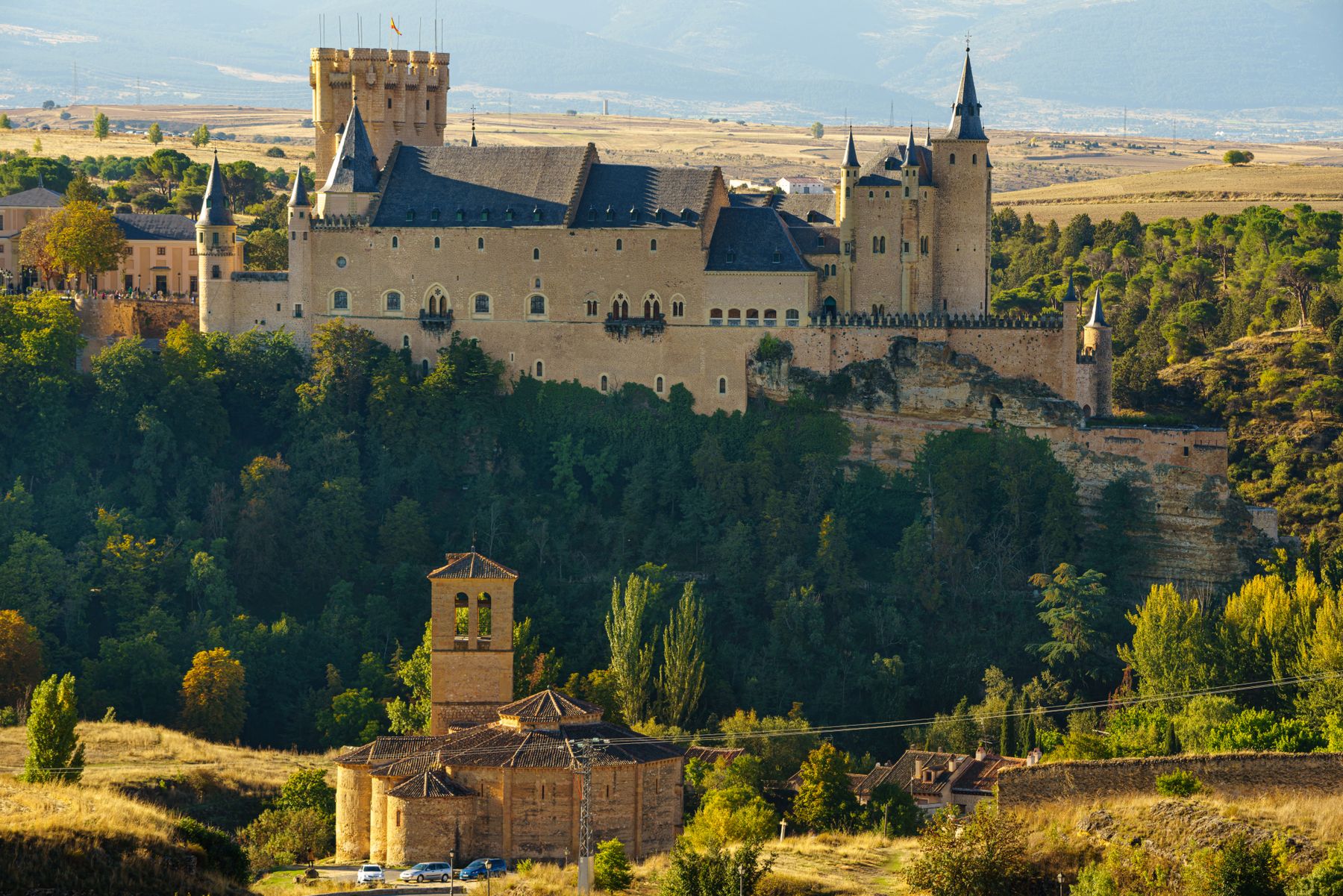
The Murallas de Segovia run for around three kilometres, and although the elevated walkway near the Alcázar charges a small fee, much of the wall is visible for free from the streets below, particularly along the Cuesta de los Hoyos. Walk down into the Eresma valley and back up the far side for the best free view of the Alcázar across the river, a route of about forty minutes each way. The valley path is uneven in places, so wear proper shoes; it is not a route for sandals or a pushchair.
For a flatter afternoon, the Alameda del Parral at the eastern edge of the city, near the Convento de Santa Cruz la Real, offers tree-lined paths and river access without a ticket. The Casa de la Moneda, the old royal mint, sits within walking distance and its exterior and riverside setting are free to visit, though the museum inside charges admission. A good rule here: the farther you move from Plaza Mayor, the fewer people and the more benches per square metre.
What to skip and when to come
Skip the cathedral and Alcázar interiors if your aim is a free afternoon; both charge entry and both deserve more time than a lazy schedule allows. Instead, check the tourist office on Plaza Mayor for the free opening hours of the Iglesia de la Vera Cruz and the Romanesque churches dotted around the outer streets, several of which open for limited hours at no charge. Avoid the Aqueduct at midday in July and August, when the stone radiates heat and the tour groups are thickest.
The best months for this kind of wandering are May, June, September and October, when afternoons sit between 18 and 26 degrees and the light lasts until around nine in the evening. April and November are quieter but colder and more likely wet. Sunday afternoons in Nueva Segovia are noticeably calmer than Saturdays, though many small shops close. If you only have one afternoon, start at the aqueduct around three o'clock and end in the Eresma valley at sunset.
Where to sleep and how to plan around it
Staying inside the city walls makes a lazy afternoon genuinely lazy, because you can return to your room between sights. Hotels near Plaza Mayor and along Calle Isabel la Católica put the Aqueduct, cathedral and main squares within ten minutes on foot. Nueva Segovia hotels east of the aqueduct tend to be quieter and closer to the parks, with more parking, and are usually easier for travellers arriving by car. Expect mid-range double rooms in the region of 70 to 120 euros a night in spring and autumn, higher during festivals.
Arrive by AVE from Madrid and you land at Segovia Guiomar station, about six kilometres from the centre, with a connecting bus or a short taxi ride into town. The slower regional train from Chamartín stops closer at Segovia station, roughly a twenty-minute walk from the aqueduct. If the weather turns, the free option is to follow the covered streets around the Plaza Mayor and let the afternoon shrink; Segovia is compact enough that a change of plan costs nothing.
Before you book
The questions people ask about Segovia, answered with this month’s numbers.
Yes. The Aqueduct stands in the public street at Plaza del Azoguejo and can be viewed, photographed and walked beneath at any hour for free. Only guided interpretation centres charge, and they are optional.
About fifteen minutes uphill along Calle Real, including the stop at the Casa de los Picos. The gradient is gentle but steady, and the route is cobbled, so allow slightly longer with children or in rain.
The elevated wall walkway near the Alcázar has a small admission charge. The walls themselves are visible for free from streets such as the Cuesta de los Hoyos, and the valley path gives the best exterior views.
It is quieter and flatter than the old town, with more parking and easier access to parks, while the Aqueduct remains a ten to twenty-minute walk. Choose it if you have a car or want calm; choose Plaza Mayor if you want everything on foot.
The path down into the Eresma valley and up the far bank gives the classic free view of the Alcázar above the trees. The walk takes around forty minutes each way and the ground is uneven.
Midday in July and August, when heat and tour groups peak. Early morning or after seven in the evening is cooler and far less crowded, and the light on the stone is better for photographs.
Guiomar sits about six kilometres out. Buses connect it to the centre, and taxis are available at the station. The slower regional train stops closer to town, roughly twenty minutes on foot from the Aqueduct.
Some do and some do not. Several Romanesque churches on the outer streets open for limited free hours, while the cathedral charges admission. The tourist office on Plaza Mayor lists current opening times.