Eating Vegetarian in Segovia: What to Order, Where to Go
 Eating Vegetarian in Segovia: What to Order, Where to Go
Castilian cooking is built on pork and game, but Segovia's bars, markets and mesones still leave a vegetarian well fed — here is how a week of it actually works.
What I Would Book, and What to Leave Out
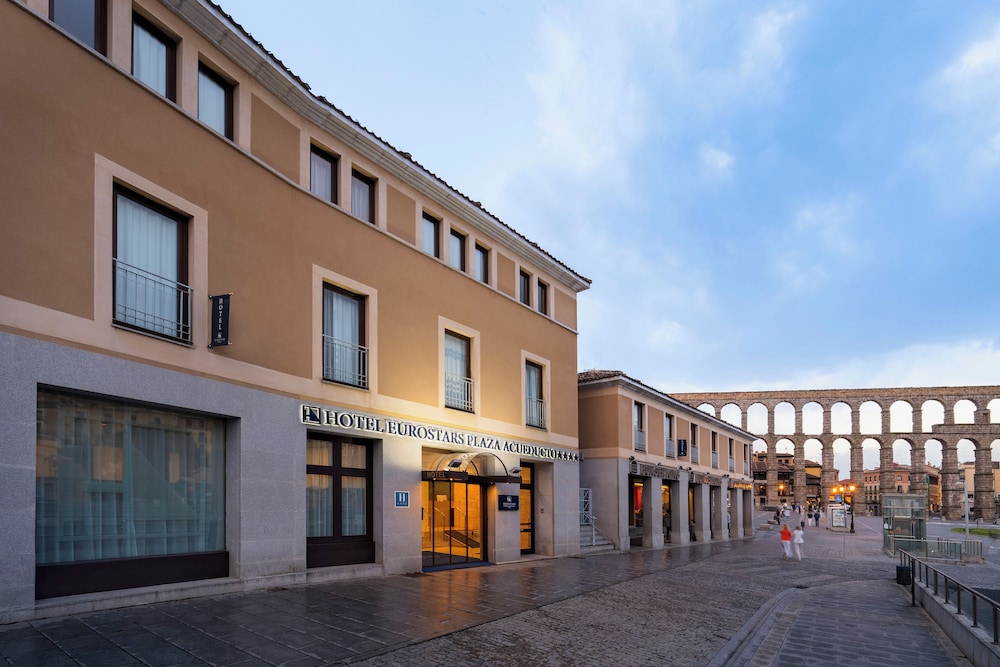
I would book a small hotel or hostal inside the old town, on or just off Calle de Juan Bravo or near the Plaza Mayor, rather than a roadside property out by the A-601 or the Segovia-Guiomar station, which sits some distance from the walls and suits high-speed train arrivals rather than evenings on foot. The station is about 15 minutes out by bus and taxi, useful on arrival day but not for a week. If you want quiet, choose the streets below the Alcázar, where you can walk down to dinner without a car.
Skip the tourist-set menus on the Plaza Mayor itself, which trade on position rather than cooking, and skip the assumption that everywhere will offer a vegetarian dish — in practice most places will, but plan to eat your main meal at lunch. Consider avoiding the busiest weekends, when restaurant tables are harder to reserve, and go in May, June or September when the weather and the light are best. A week here is realistic: it lets you eat properly and see the city without rushing.
Food and Other Questions
Before you book
The questions people ask about Segovia, answered with this month’s numbers.
Almost none. The city's kitchens are built around Castilian meat dishes, so vegetarians rely on tapas, tortilla, salads, vegetable stews and cheese rather than dedicated vegetarian venues. Ask about stock cubes and ham fat, and lean on the lunchtime menú del día where the kitchen can adapt.
May, June and September give the best balance of weather and light, with long evenings to walk between the aqueduct and the Alcázar. July and August are hot in the middle of the day and busy at weekends, and winter can be cold on the hilltop, though the city is quieter then.
Buses leave Madrid's Moncloa station and take about an hour and twenty minutes to Segovia's bus station on Paseo de Ezequiel González. High-speed trains take around half an hour but arrive at Segovia-Guiomar, some distance outside the old town, so a bus or taxi into the centre is needed.
Stay inside the old town, near the Plaza Mayor or along Calle de Juan Bravo, so restaurants and bars are a short walk away. Properties near the aqueduct and the Judería work well, while roadside hotels on the A-601 and the area around Guiomar station are less convenient for evenings out.
Look for tortilla española, pimientos de Padrón, setas al ajillo, judiones de La Granja without the meat, and local cheeses with bread and olives. Sopas and stews often contain ham or ham fat, so ask before ordering, and check that the menú del día includes a vegetarian option.
Yes. The Mercado de la Plaza del Azoguejo, near the aqueduct, has produce and a few counters, and the covered market at Plaza de la Rubia is an alternative. Both are useful for assembling a lunch of cheese, olives, fruit and bread if you want to eat lightly.
Skip the tourist-set menus on the Plaza Mayor itself, which trade on position rather than cooking, and arrange your main meal at lunch rather than evening, when kitchens are less flexible. Avoid the busiest weekends if you want to reserve a table easily.
The lunchtime menú del día is the cheapest way to eat well, and it is more economical than an à la carte dinner. Expect to spend more in the evening and near the main squares. We never quote exact prices, so ask at the door or check the board before sitting down.