Browsing Segovia's Second-Hand and Craft Shops on Foot
 Browsing Segovia's Second-Hand and Craft Shops on Foot
A practical loop through Segovia's old town for ceramics, antiques and hand-made leather, with realistic opening habits, walking distances and where to base yourself.
Start at the Aqueduct and work downhill
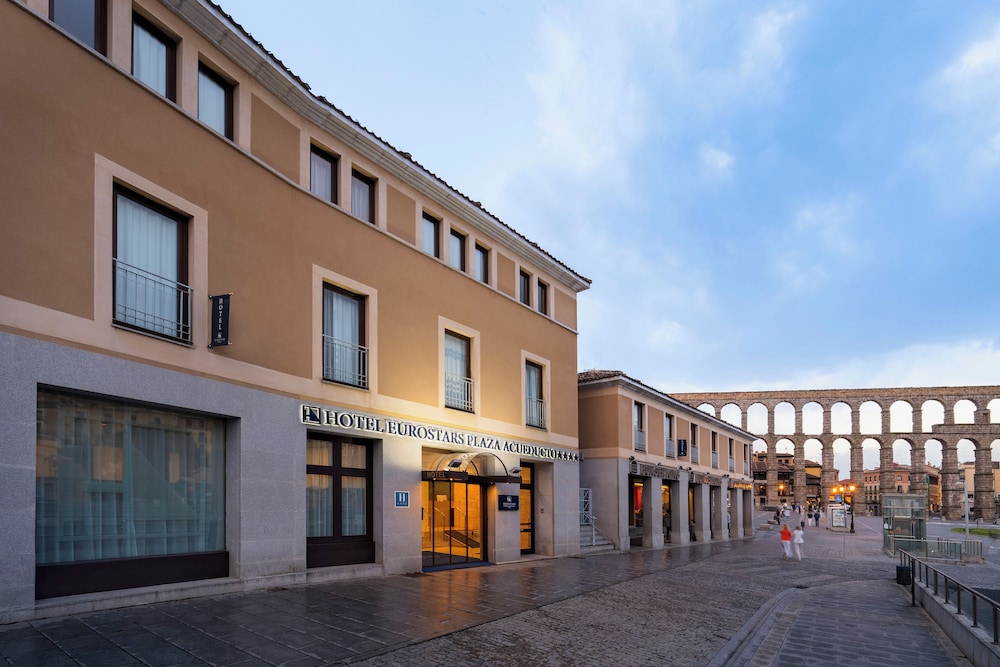
Begin at the Plaza del Azoguejo under the Roman Aqueduct, where the tourist-office side of the square has the most reliable opening hours. Segovia's small shops keep Spanish retail rhythm: roughly 10:00 to 13:30, then a long midday gap, then about 17:00 to 20:00, with many closed on Sunday afternoon and all day Monday. Saturday morning is the best window. From Azoguejo, the Calle Real climbs toward the Plaza Mayor, and this is where souvenir-adjacent craft sits closest to genuine local work: pottery, woven textiles and small leather goods rather than factory trinkets.
The stretch of Calle Real between Azoguejo and the Plaza Mayor takes about ten minutes on foot and is gently uphill, cobbled the whole way. You will pass shops selling Castilian ceramics, esparto grass baskets and embroidered linens. Prices sit in recognisable bands: a small hand-thrown bowl typically in the region of ten to twenty-five euros, a woven basket thirty to sixty, a decent leather belt fifty upward. Compare two or three windows before buying; the same workshop pieces turn up at different markups within a few doors of each other.
Antiques and old things around the Plaza Mayor
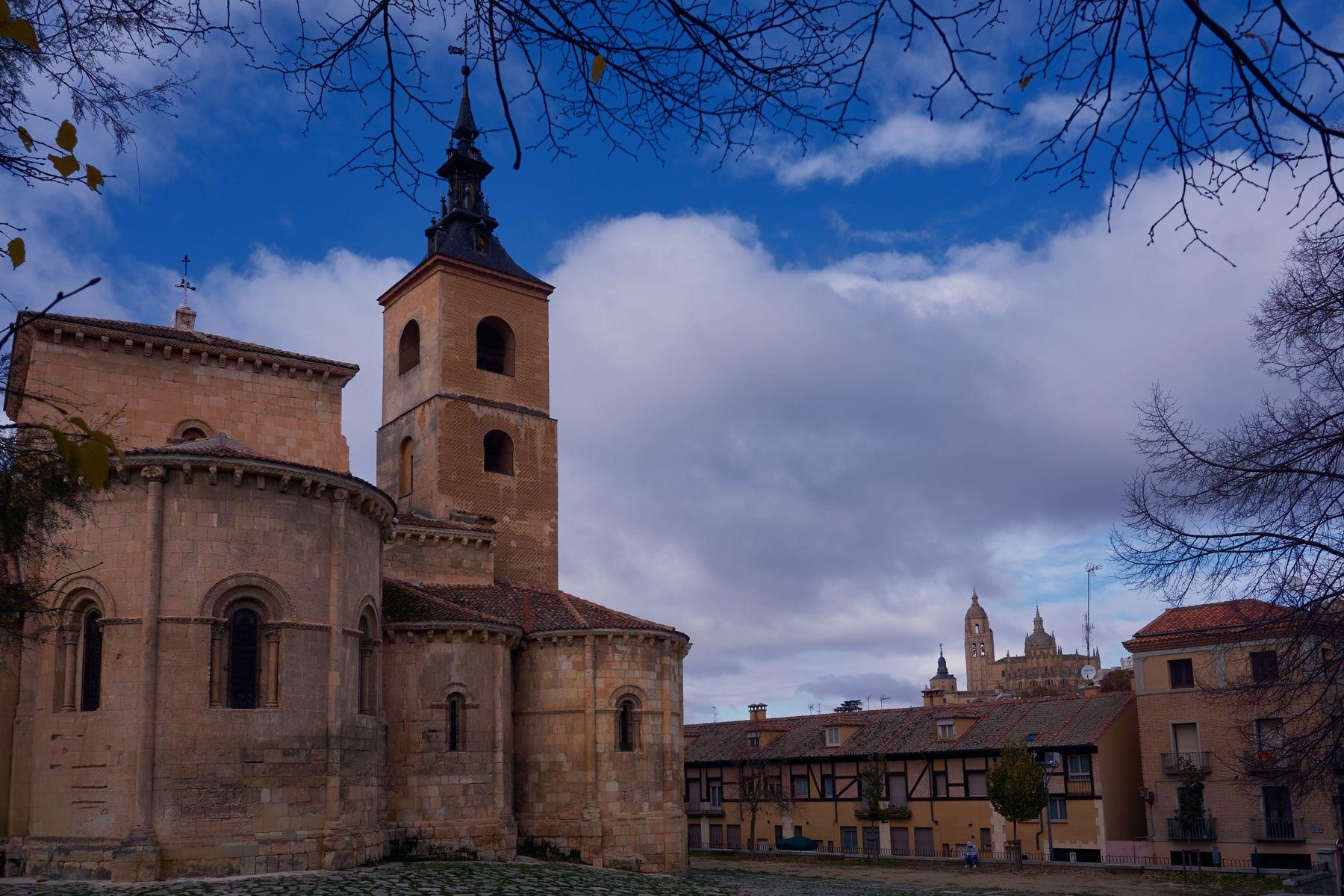
The Plaza Mayor itself is cafés and arcades, but the lanes feeding it, particularly the Calle de la Infanta Isabel and the streets off the Plaza de San Martín, hold the more interesting antique and vintage shops. Stock is mixed: religious prints, copper pans, old Segovian photographs, furniture too big to carry home. Opening is erratic, so treat these as serendipity rather than a checklist. Mid-morning on a weekday gives the best chance of finding shutters up, and shopkeepers here generally welcome a browse without pressure to buy.
If you are serious about antiques, ask about condition and provenance rather than price first; it is the normal local courtesy and gets you a straighter answer. Do not expect shipping services from small dealers, and be wary of anything fragile if you are flying from Madrid-Barajas, roughly an hour and twenty minutes away by car. Cash is still common in these shops, though cards are increasingly accepted. I would skip the furniture entirely unless you have a van and a reason.
Craft workshops and the Judería lanes
Below the Plaza Mayor, the old Jewish quarter around the Calle Judíos and the Plaza del Seminario has the highest concentration of small workshops and studios. This is where you find hand-bound books, ceramics with the distinctive Segovian green and ochre glazes, and jewellery made on site. Several studios keep a bell on the door and welcome visitors who are quiet and curious. The lanes are narrow and steep in places, so wear shoes with grip; the polished cobbles around the Calle Judíos are slippery after rain.
Winter months, November to February, cut opening hours further and some studios close for weeks after the Christmas period. April, May, September and October are the best months to browse: mild weather, longer hours, and fewer coach groups on weekday mornings. If your interest is ceramics specifically, allow an hour in this quarter alone. I would book a hotel on the flat between the Aqueduct and the Plaza Mayor rather than down in the Judería, so you can walk up with purchases instead of climbing back at the end of the day.
Where to stay for a browsing weekend
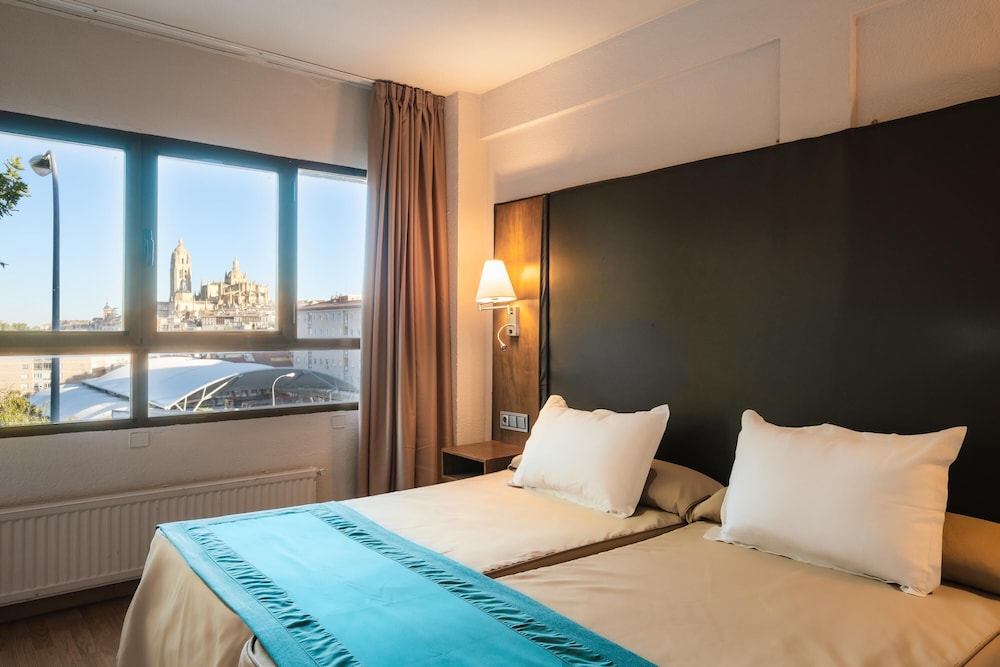
Segovia's old town is compact: from the Plaza Mayor to the Alcázar is about fifteen minutes on foot, and from the Aqueduct to the cathedral roughly ten. That means almost any hotel inside the walls works for a shopping walk. The practical choice is the grid between the Aqueduct and the Plaza Mayor, where streets are flatter and the main bus stops are close. Hotels here range from simple hostales to restored seventeenth-century buildings, with double rooms typically somewhere between sixty and one hundred and forty euros depending on season and view.
Avoid basing yourself out by the train station, which sits several kilometres from the centre and offers nothing for a browsing trip. The high-speed train from Madrid runs in about thirty minutes, so a day trip is possible, but an overnight lets you catch the evening opening hours from 17:00, when the streets are quieter. Book Friday and Saturday nights well ahead in spring and autumn, when Segovia fills with Madrid weekenders. I would choose a hotel with a lift; many old-town buildings have none and the staircases are steep.
Before you book
The questions people ask about Segovia, answered with this month’s numbers.
Most small shops close all day Sunday afternoon and often Monday, and many take a long midday break from roughly 13:30 to 17:00. Saturday morning is the most reliable window. Public holidays in Castilla y León shut almost everything, so check the calendar before planning a shopping day.
The full route through the old town, from the Aqueduct up Calle Real, through the Plaza Mayor and down to the Alcázar, is about two kilometres and takes forty minutes without stopping. With browsing time, allow a half day. The streets are cobbled and uneven, so comfortable shoes matter.
Yes, but ask. Shops around Calle Real and the Judería sell locally made pieces in green and ochre glazes alongside factory imports. A straight question about where a piece was made usually gets a straight answer, and small studios often have a workbench visible behind the counter.
The high-speed train takes about thirty minutes, but a day trip limits you to one opening window. Staying overnight lets you use the 17:00 to 20:00 evening hours, when shops are quieter and the streets are pleasant. For ceramics and antiques especially, an overnight is worth it.
Most now do, but smaller antique dealers and studios may prefer cash. Carry some euros, particularly for market stalls and workshops. There are plenty of ATMs around the Plaza Mayor and the Aqueduct, though the lanes of the Judería have fewer.
April, May, September and October offer mild weather, full opening hours and manageable crowds on weekday mornings. July and August are hot and busy, and November to February brings shorter hours, with some studios closing for weeks after Christmas.
The area between the Aqueduct and the Plaza Mayor is flattest and closest to bus stops, with doubles typically between sixty and one hundred and forty euros. Avoid the train station area, which is several kilometres out. Choose a hotel with a lift if stairs are an issue.
Segovia does not have a large permanent flea market in the old town, so second-hand browsing means the antique and vintage shops rather than stalls. Check locally on arrival for any weekly or monthly market, as dates vary, and do not plan a trip around one without confirming it.