How to order in a Segovia bar: the Spanish that actually works
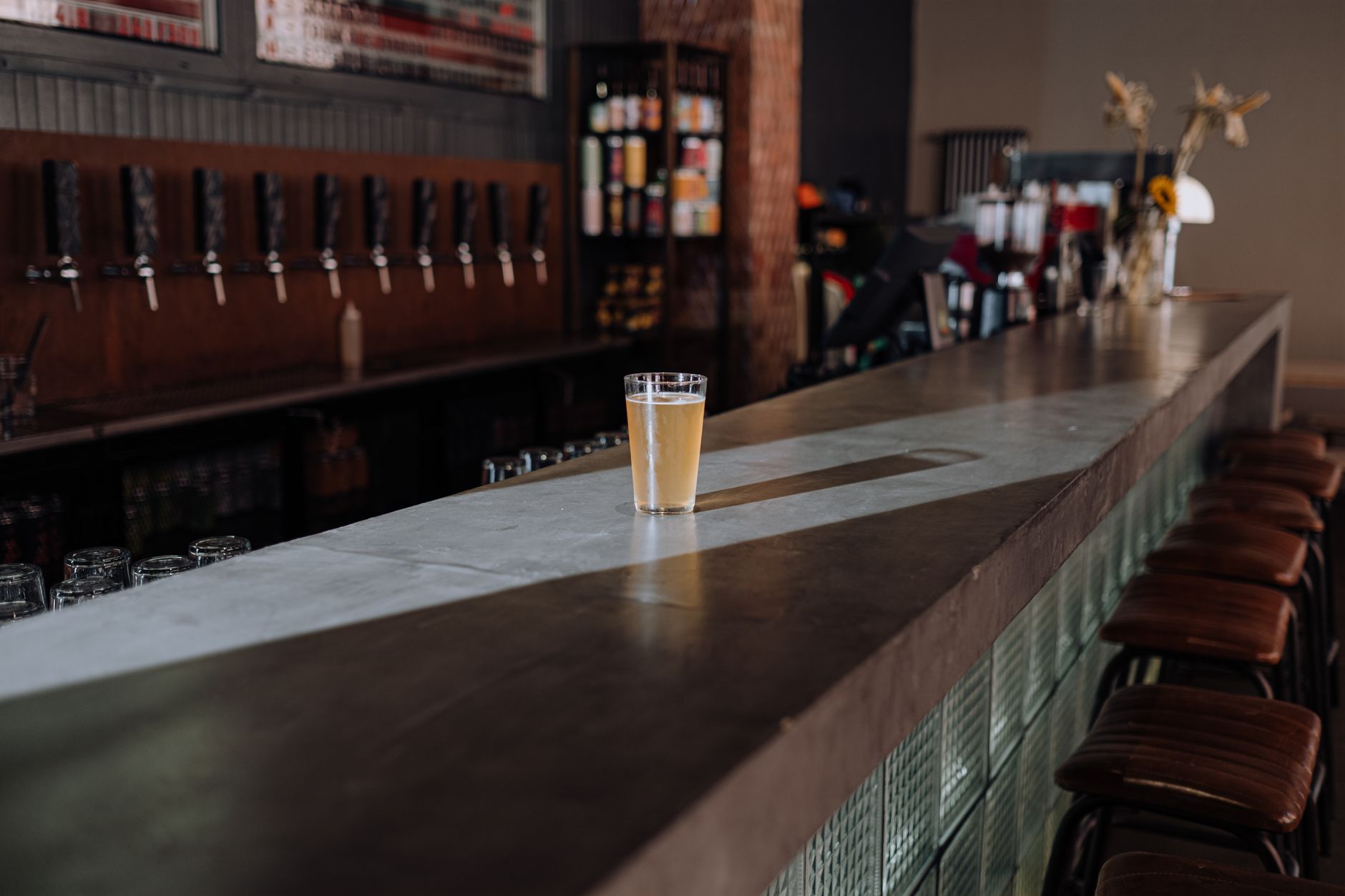 Glasses of beer and small plates lined along a zinc bar counter in a Segovia tavern
Twelve phrases and one habit — ordering standing at the bar rather than waiting at a table — will get you served faster and cheaper in Segovia, where a caña runs about €2-3 and English is patchy once you leave the Aqueduct.
Do you need Spanish here? Mostly yes
In the hotels and the restaurants facing the Aqueduct, English is workable. Two streets away, in the bars where locals drink, it is hit and miss, and in the villages — Pedraza, Turégano, Sepúlveda — you should assume none. Segovia is a provincial capital of well under a hundred thousand people, not a coastal resort with a foreign workforce. Nobody will be rude about your Spanish; the reaction to a badly pronounced attempt is almost always warmth, and staff will meet you more than halfway.
The bar is the specific place where language pays off, because bar service is fast, verbal and slightly chaotic. Restaurant menus can be pointed at. A crowded counter at 21:00 on a Friday cannot. Learn a dozen words and the whole evening opens up: you can order in the good places, ask what the house wine is, and pay without a three-minute pantomime. That is roughly twenty minutes of preparation for a materially better trip.
Getting served: bar, table or terrace
Three price tiers exist in the same establishment. Standing at the bar (la barra) is cheapest and fastest. Sitting at an indoor table (la mesa) costs a little more in some places. The outdoor terrace (la terraza) costs most of all, and on Plaza Mayor or facing the Aqueduct that gap is at its widest. Nobody will explain this; it is simply how Spanish hospitality prices space. In a busy tapas bar, sitting at a table and waiting to be noticed can mean a long wait, because the staff are working the counter.
So walk in, say buenos días or buenas tardes to the room in general, find a gap at the counter and catch the barman's eye. The polite opener is cuando puedas — when you can — which signals that you are not demanding instant attention. Then order everything in one go: drinks and food together. Do not queue in a line; there is no line, and the staff track who arrived when with unnerving accuracy. Waving money or clicking fingers is the only genuinely rude move available to you.
Drinks, and what they cost
Una caña is a small draught beer, the default order, typically €2-3 in the old town and less in the modern districts out towards Calle José Zorrilla. Un doble is a bigger glass; una jarra bigger again. Una clara is beer with lemon soda, excellent in August heat. Un vermú, ideally de grifo (on tap), is the pre-lunch drink and Segovia does it well. For wine, un tinto or un blanco de la casa gets the house pour; if you want to be specific, ask for un Rueda for a crisp verdejo white or un Ribera for red.
Local knowledge worth deploying: Segovia province has its own small denomination at Valtiendas, north-east towards Sacramenia, making serious reds from tempranillo grown on high ground. Ask ¿tenéis algo de Valtiendas? and you will get either a bottle worth drinking or a pleased explanation. For coffee, café con leche is the milky standard, cortado is espresso with a splash, café solo is a straight espresso. Tap water is good here — mountain-fed — and you can ask for una jarra de agua del grifo; Spanish hospitality law requires free drinking water to be offered.
Tapas, raciones and the free-tapa question
Sizes go tapa (a couple of mouthfuls), pincho (a mounted bite, often on bread), media ración (a half plate) and ración (a full plate for sharing). Two people ordering three raciones will overeat; start with two and add. The phrase that does the work is para compartir — to share — which tells the kitchen to bring plates and space things out rather than dropping everything at once.
The free tapa with a drink is a Castilian habit that survives in plenty of Segovia bars, particularly the neighbourhood ones away from the Aqueduct — order a caña and something small arrives unasked. It is not universal and it is rarely offered in the highest-turnover tourist bars. Do not ask for it, and do not send it back if it contains something you were not expecting; just leave it. Things you will meet: torreznos (crisp pork belly), chorizo, morcilla, croquetas, and in season, the enormous butter beans from La Granja known as judiones, stewed with pork.
Ordering the roast and the menú del día
For lunch on a weekday, ask ¿hay menú del día? A yes gets you a starter, a main, bread, a drink and dessert or coffee for around €14-18 — the best-value eating in the province, and often unadvertised in English. The waiter will recite the options fast; asking ¿me lo repite, por favor? is completely normal and gets you a slower second pass. Order primero (first course), then segundo (second), then postre o café.
For suckling pig, the word on the menu is cochinillo asado, though locals may say tostón. It is sold by ration and portions are large, so dos raciones para tres personas is a legitimate order in most roasting houses if you ask politely. Booking matters: para reservar, para dos personas, a las dos y media covers a phone call, and your accommodation will happily make it. In Sepúlveda and the northern villages the equivalent is lechazo — roast milk-fed lamb — and the same rules apply, including the advance booking on Sundays.
Dietary requirements, said clearly
Castilian cooking is pork-forward and Segovia is its heartland, so vegetarians need to be explicit and a little tactical. Soy vegetariano or soy vegetariana works, but add no como carne ni jamón — I eat neither meat nor ham — because cured ham is frequently not counted as meat in casual conversation. Watch the broths: sopa castellana, the garlic soup, is usually built on pork stock, and vegetable dishes often arrive with ham through them. Safe bets are pisto, tortilla de patatas, padrón peppers, mushrooms from the pine woods in autumn, and good cheese.
For allergies, soy alérgico or soy alérgica followed by the item — al gluten, a los frutos secos, al marisco — is understood, and Spanish establishments are legally required to hold allergen information for what they serve. Sin gluten is widely recognised, though a traditional roasting house is not the place to test it hardest. If the requirement is serious, phone ahead rather than raising it at a packed bar on a Friday night; a quiet Tuesday lunch conversation gets a far more careful answer.
Paying, cards and what to tip
Say la cuenta, por favor, or catch the barman's eye and mime a scribble. In bars you pay at the end, not per round — the staff keep a running tab in their heads or on the counter in chalk. Cards, including contactless and phone payments, are accepted almost everywhere in the city, though a small village bar may set a minimum of a few euros or prefer cash, so carry €20-30 in notes if you are heading out to Pedraza or Ayllón for the day. Splitting a bill across several cards is not always welcome; one person pays and settles up afterwards.
Tipping is light and voluntary. Round up the coins on a coffee or a couple of beers. After a good sit-down lunch, leaving €1-2 per person, or the small change from the note, is normal and appreciated; anything approaching a ten per cent expectation is a foreign import. There is no service charge on Spanish bills, and no tip is neither noticed nor resented. Guided tours are the exception: on a contribution-based walking tour, €10-15 per person is what the format actually assumes.
Manners that mark you as a good guest
Greet and leave. Buenos días before midday, buenas tardes after lunch, buenas noches late; hasta luego on the way out, said to the room. It takes a second and it changes how you are treated for the rest of the visit. Do not stack your own plates or tidy — it reads as fussy. Speaking at ordinary volume in a loud bar is fine; the room is loud because Spanish sociability is loud, not because anyone is annoyed.
Two timing points settle the rest. Do not turn up expecting a hot meal at 18:30 and be irritated that the kitchen is closed — that is not rudeness, it is a different clock. And do not rush the bill: once you have paid, the table is yours, and lingering over a coffee or a carajillo after lunch is the expected end of the meal rather than an imposition. Get those right, order in Spanish however imperfect, and Segovia's bars will treat you exactly like everyone else in them, which is the whole point.
Before you book
The questions people ask about Segovia, answered with this month’s numbers.
In hotels and the restaurants around the Aqueduct, usually enough. In neighbourhood bars, small shops and the provincial villages, often not. A dozen phrases covers ordering, asking for the bill and requesting tap water, and the effort is met with real warmth rather than correction.
Round up the coins on drinks; leave €1-2 per person after a good sit-down meal, or the loose change from the note. Spanish bills carry no service charge and no tip is expected. Contribution-based walking tours are different: budget €10-15 per person, since that is how the format is funded.
Often in the neighbourhood bars away from the Aqueduct, rarely in the high-turnover tourist places. It is a Castilian habit rather than a rule, so never ask for one. If something arrives that you do not want to eat, just leave it on the counter without comment.
Yes. The counter is the cheapest tier, indoor tables sit slightly above it, and terraces on Plaza Mayor or facing the Aqueduct cost the most. The gap is largest exactly where the view is best, so buy the view with a coffee or a vermouth and eat your meal four minutes' walk away.