An Evening Walk from San José to the Eresma in Segovia
 An Evening Walk from San José to the Eresma in Segovia
A short, low-effort route from the San José neighbourhood down to the Eresma river, with the streets, timings and stops that make it worth an evening.
Starting out from Plaza de San José
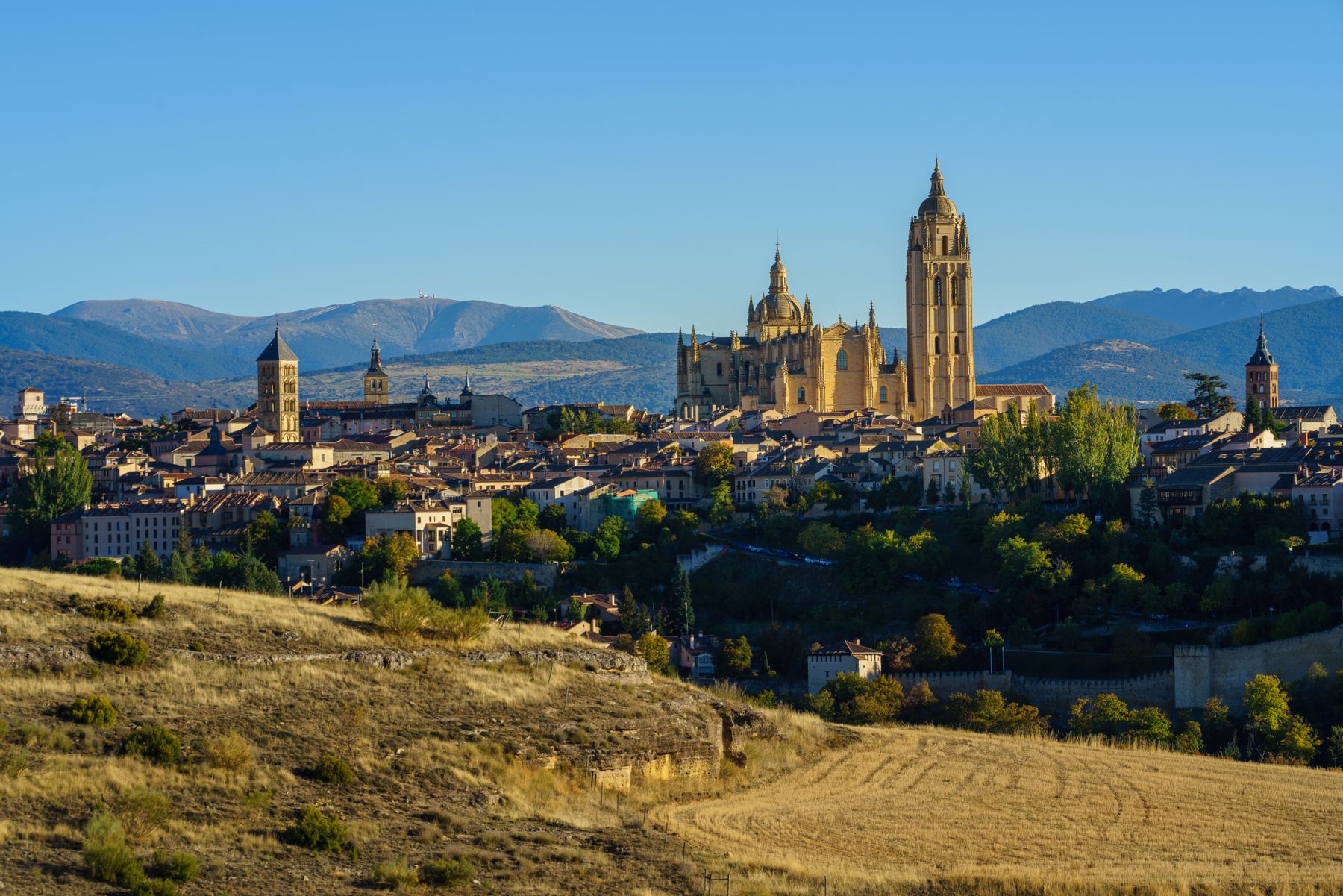
Begin where the neighbourhood gives you a clean line downhill: the small plaza by the Iglesia de San José, on Calle de San José, roughly ten minutes on foot from the Aqueduct along Calle de los Hermanos Barral. The first stretch is ordinary residential Segovia — low apartment blocks, a bakery or two, a pharmacy — and that is the point. You are walking through a working barrio, not a monument, and the light on the yellow-and-cream facades around seven or eight in the evening between May and September is the reason to come this way rather than straight to the old town.
Turn south and follow Calle de San Gabriel as it bends toward the river. The gradient is gentle at first and then noticeably steeper past the junction with Calle del Camino de la Presa. Wear shoes with grip; the last hundred metres before the water are cobbled and, after rain, slick. Allow fifteen to twenty minutes at an unhurried pace from the plaza to the riverbank, and rather more coming back up, because everything you walk down you will climb again.
The Eresma riverbank and what you pass
At the bottom you meet the Eresma where it runs between stone retaining walls below the Alcázar. The river path here connects toward the Huerta de la Concepción and the Senda de los Molinos, and you will pass the old mill buildings and sluices that once powered Segovia's textile trade. It is not a long promenade — twenty minutes of flat walking will take you well past the confluence — but it is genuinely quiet in the early evening, and the walls of the Alcázar above the trees are the view that makes the descent worthwhile.
This is not the postcard Segovia of the Aqueduct and Plaza Mayor, and that is its advantage: no queues, no ticket, no crowds. There are no cafes on the riverbank itself, so carry water. The path is unlit in places, so if you are walking after sunset, bring a phone torch and turn back before full dark. I would not do this route alone after dusk; the streets above are quiet and the riverside has few other people about.
Timing, seasons and where it fits in your day
The best months are late April to June and September to mid-October, when the evening stays light until around nine and the heat has dropped. July and August are workable if you start after eight; the riverbank is shaded and noticeably cooler than the streets above. Winter evenings are short and cold — the descent is fine in daylight but I would skip the return in the dark and instead loop back up via Calle de San Marcos to the Aqueduct, which is lit and busier.
Budget ninety minutes for the round trip including pauses, and treat it as a pre-dinner walk rather than an outing. Segovia eats late; a table at nine or half past nine in the old town is normal. If you are staying anywhere between the Aqueduct and Plaza Mayor, you can walk to the San José start in ten to fifteen minutes, do the loop, and be back for dinner without a taxi. Staying in the old town rather than out by the station makes this route genuinely convenient, and it is the reason I would book inside the walls for a two-night stay.
Practical notes and what to skip
Skip the temptation to combine this with the Alcázar visit — do the palace separately, in daylight, with a timed entry. Also skip the riverside if it has rained heavily; the lower path collects water and the cobbles get treacherous. There are no toilets, bins or benches of any note on the descent, so plan accordingly. Dogs are fine on a lead. The route is not suitable for pushchairs or wheelchairs given the steps and cobbles near the water.
For the return, climb via Calle de San Marcos rather than retracing your steps; it brings you out near the Iglesia de San Millán and the Aqueduct, with a bar or two for a vermouth on the way. Distances are small: the whole loop is under three kilometres. What it gives you is the Eresma valley at the hour when locals walk their dogs and the stone turns gold — a side of Segovia most day-trippers from Madrid never see, and the best argument for spending the night.
Before you book
The questions people ask about San José, answered with this month’s numbers.
Roughly fifteen to twenty minutes downhill from Plaza de San José to the riverbank, and twenty-five to thirty back up. The full loop, returning via Calle de San Marcos, is under three kilometres and takes about ninety minutes with pauses.
Yes, for children who can manage steps and uneven cobbles. Keep them close near the water and the mill sluices. It is not suitable for pushchairs or wheelchairs because of the steps and rough surface on the final descent.
Between seven and nine in the evening from May to September, when the light is best and the heat has eased. In winter, go in daylight and return via Calle de San Marcos before dark, as parts of the riverbank are unlit.
No. The Eresma path has no commercial stops at all, so carry water. The nearest bars are back up in the San José and San Millán neighbourhoods, or in the old town near Plaza Mayor, a ten- to fifteen-minute walk away.
No tickets or bookings are needed; it is a public route. If you plan to visit the Alcázar separately, book a timed entry in advance, as it is the one nearby sight that fills up, particularly at weekends.
Anywhere between the Aqueduct and Plaza Mayor puts the San José start within ten to fifteen minutes on foot. Hotels near the station are cheaper but a taxi or long walk away, which makes an evening loop less appealing.
The streets above are quiet but fine. The riverside path is unlit in sections and usually empty after dusk, so I would not walk it alone at night. Bring a torch if you go late and stick to the lit return route.
Skip combining the walk with the Alcázar in the same slot; do the palace in daylight with a timed ticket. Skip the riverbank entirely after heavy rain, when the lower path floods and the cobbles become slippery.