A Winter Weekend in Segovia: Where to Stay and What to See
 A Winter Weekend in Segovia: Where to Stay and What to See
Segovia in January and February is cold, clear and quiet, and the aqueduct, Alcázar and roasting cochinillo are all the better for it.
Why winter works, and how cold it gets
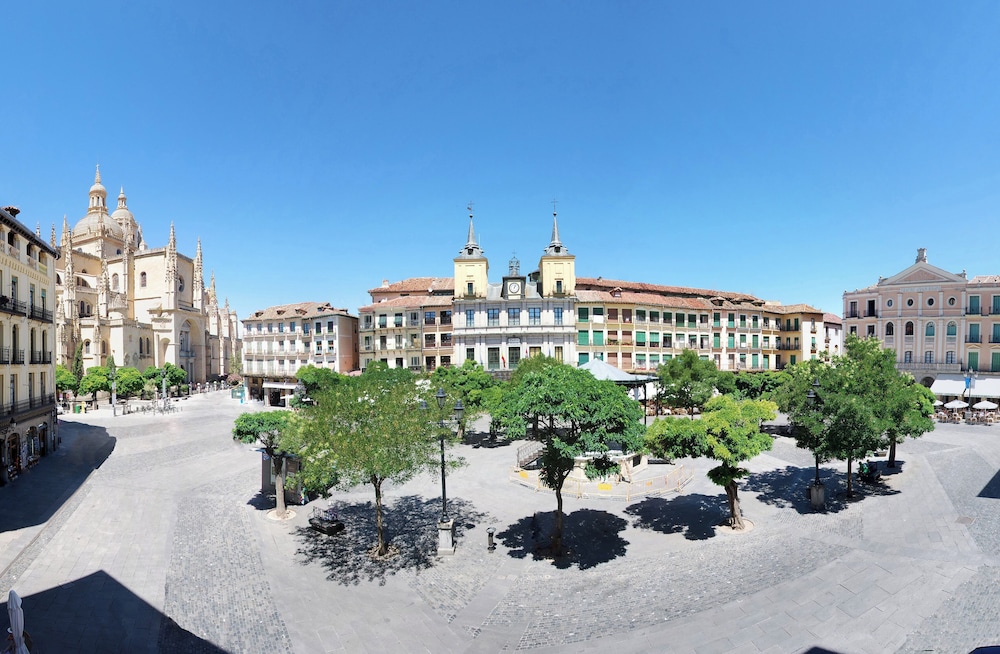
Segovia sits at about 1,000 metres on the Meseta, and winter here means crisp air rather than grey drizzle. Daytime temperatures in January often hover around 8°C, but mornings can start below freezing and the wind off the Sierra de Guadarrama cuts through the Plaza Mayor. Snow is occasional but not rare. The reward is space: the Aqueduct, the Alcázar and the cathedral are free of the summer crowds that arrive by coach from Madrid, and hotel rates in the old town drop well below spring levels. Book a place with real heating and thick walls.
The trade-off is daylight. Sunset falls before 18:30 in early January, so plan outdoor sights for the morning. The Aqueduct on Plaza del Azoguejo is best before 10:00, when the light is low and the granite is empty. The Alcázar opens at 10:00 and the last entry is usually around 18:00; go early and you will have the Hall of Kings almost to yourself. Check opening hours before travelling, as winter schedules differ from summer.
Where to stay: inside the walls or out
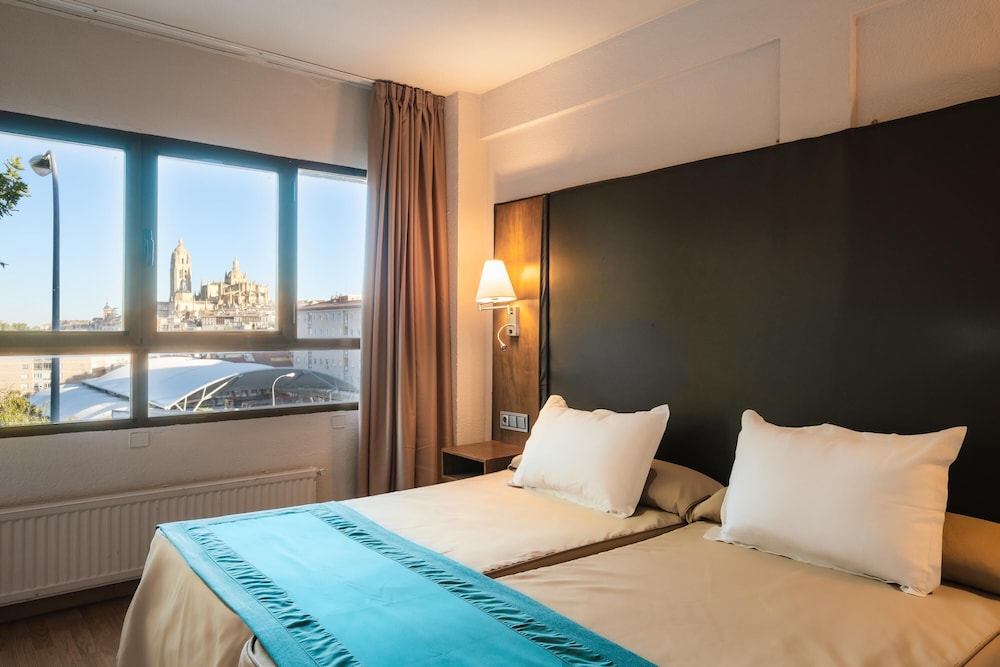
The old town inside the walls is the obvious choice for a short break. Hotels cluster around the Plaza Mayor, Calle Juan Bravo and the streets below the Alcázar, which puts the cathedral, the Jewish quarter and the Aqueduct within a 15-minute walk. Expect mid-range doubles in the €70–110 range in February and rather more on festival weekends. The streets are steep and cobbled, so ask about lift access if stairs are a concern, and confirm whether the hotel has parking, because driving inside the walls is restricted.
Outside the walls, the new town around Avenida Fernández Ladreda and the Estación de Autobuses offers plainer, cheaper rooms, often €50–80, with easy parking and buses into the centre in about ten minutes. The trade is atmosphere. I would book the old town for a two-night winter stay and accept the climb; the walk up Calle Real to the Plaza Mayor in cold evening air is half the point. If you arrive by train, note that Segovia-Guiomar station is 4 km out and needs a bus or taxi into town.
What to see in two days
Day one belongs to the Aqueduct and the old town. Walk the length of the arches along Calle Cervantes, then climb to the Plaza Mayor for a coffee under the arcades. The cathedral, built between the 16th and 18th centuries, is worth an hour for its cloister and tapestries, and the Jewish quarter around Calle Judería de los Mercado and the old Sinagoga Mayor is quiet and moving. Finish at the Alcázar near sunset, when the turrets turn pink and the plain beyond dissolves in haze.
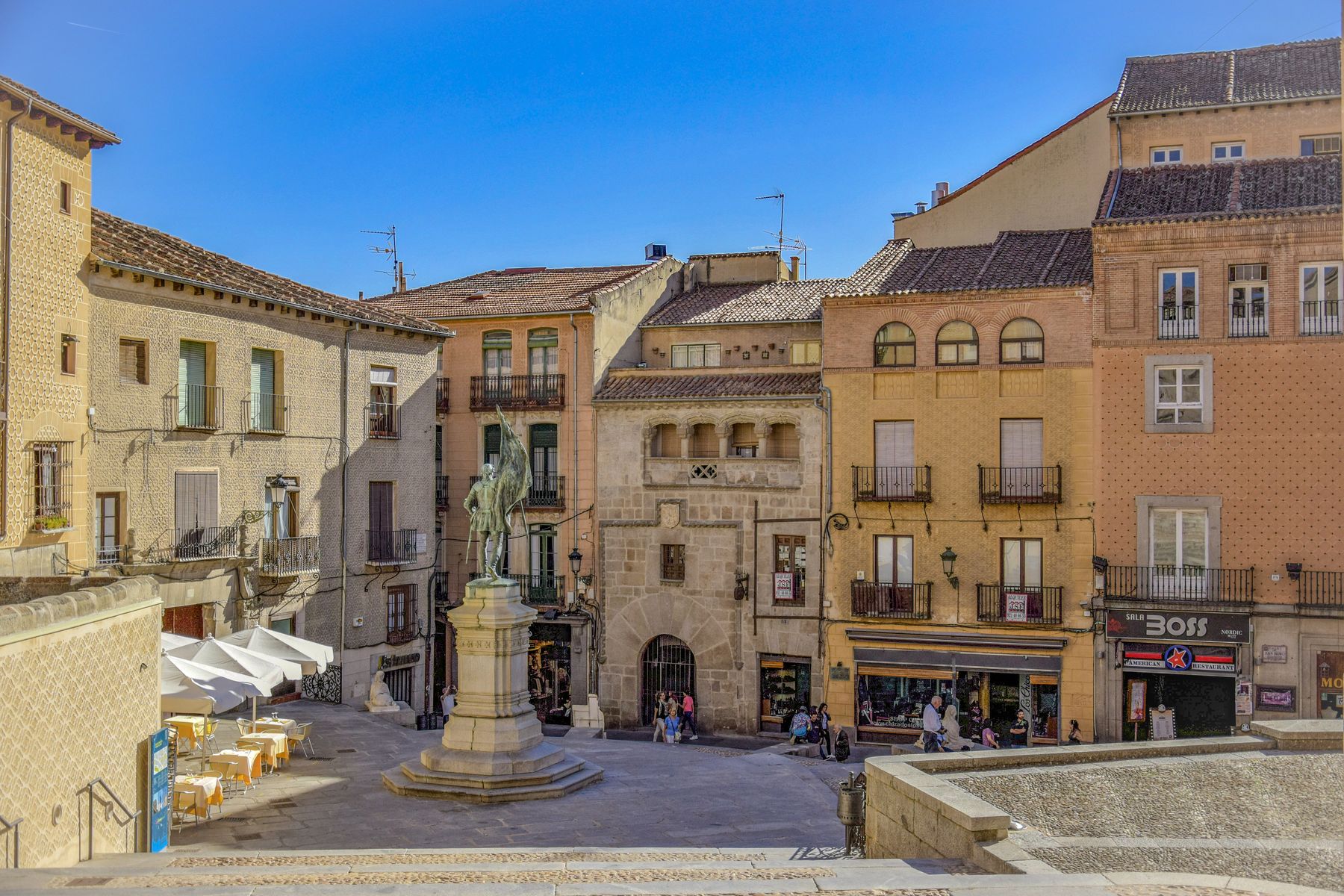
Day two, take the morning slowly. The Casa de los Picos on Calle Juan Bravo and the churches of San Martín and San Esteban reward a short wander, and the mirador at the end of Calle Daoíz gives the classic view over the Eresma valley and the Vera Cruz church below. If the weather holds, walk down to the Fuencisla sanctuary. Skip the Alcázar's armoury if time is short; it is large and the best rooms are upstairs.
Eating, and what to skip
Winter is cochinillo season. Several mesones around the Plaza Mayor and Calle Juan Bravo specialise in roast suckling pig, carved with a plate, and a seat at lunch costs €35–50 per person with wine. Judiones de La Granja, a bean stew with pork, is the other cold-weather dish to order. Book a table for Saturday lunch, when Madrid day-trippers fill the rooms. For breakfast, the cafés along Calle Fernández Ladreda are cheaper than those on the square.
What to skip: the tourist-train loop, and any restaurant with photographs of paella on the door. Skip the Alcázar tower climb on a windy day and skip the drive to La Granja unless you have a car and a spare half-day. Do check whether the cathedral and Alcázar have reduced winter hours, and carry cash for smaller bars, where cards may not be accepted. February is my pick over January: slightly longer days, same prices, and fewer closures.
Before you book
The questions people ask about Segovia, answered with this month’s numbers.
Yes. Crowds are thin, hotel rates in the old town are lower than in spring, and the monuments are easier to see. Expect cold mornings near freezing and short days, so plan outdoor sights before lunch.
The old town near Plaza Mayor and Calle Juan Bravo puts everything within walking distance. The new town around Avenida Fernández Ladreda is cheaper and easier for parking, but you will rely on buses or a 20-minute walk to reach the centre.
Trains from Madrid Chamartín take under 30 minutes to Segovia-Guiomar, which is 4 km from the centre and linked by bus and taxi. The old town itself is compact and best covered on foot, though the streets are steep and cobbled.