A Riverside Lunch Walk in Segovia's San Lorenzo
 A Riverside Lunch Walk in Segovia's San Lorenzo
A slow half-day from the Aqueduct to the Eresma and back, with real stopping points, honest distances and the practical detail that makes a lunch walk work.
Starting at the Aqueduct and dropping to the river
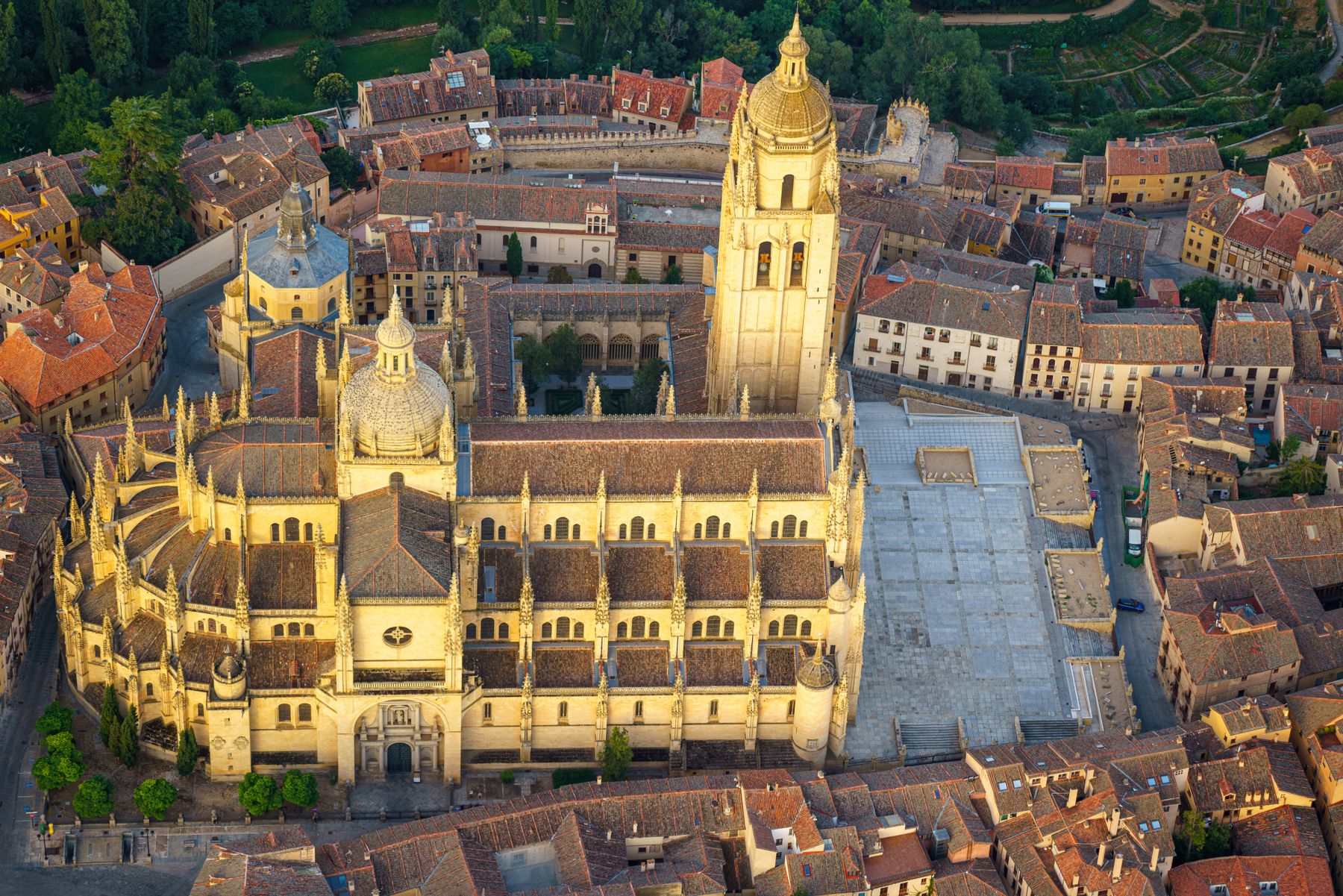
Begin under the Aqueduct at Plaza del Azoguejo, where the granite piers are tallest and the morning shade is still deep. Walk west along Calle Cervantes, then follow the signs down toward the Alameda del Eresma. It is roughly 1.2 kilometres and twenty minutes at an easy pace, almost all downhill, which matters because you will climb it back after lunch. The path crosses the old Jewish quarter around Calle Judería Vieja, so if you have not seen the Corpus Christi church and the small plaza behind it, take the ten-minute detour now rather than on a full stomach.
The riverside stretch itself is short and pleasant: poplars, a stone weir, and the water running clear over gravel. Benches appear every few hundred metres. Between roughly 13:30 and 15:30 in July and August the path is largely empty because locals are indoors, while April, May, September and October give the best light and temperatures for walking. Winter afternoons are quiet and often sunny, but the riverside can be cold and damp once the sun drops behind the walls.
The San Lorenzo side and where to eat
San Lorenzo sits east of the river, a working barrio of low brick houses and small plazas around the church of San Lorenzo, whose Romanesque tower is worth a look on its own. The cluster of eating places is around Calle de las Damas and Avenida del Acueducto, a short climb from the water. Expect menus del día in the region of 15 to 25 euros at lunch, with roast suckling pig and judiones de La Granja appearing on many boards. Bars on the square serve raciones and a caña for a few euros, which suits a lighter stop.
For a sit-down lunch I would book ahead on a weekend and aim for 14:00, when the kitchen is calm and the tables outside are in shade. Many places close their kitchens by 16:00 and do not reopen for dinner until around 20:30, so a late arrival risks the menu being finished. If you want something quicker, the bars along Calle de las Damas do a decent plate of chorizo and a tortilla by the slice, no reservation needed.
What to skip and how to time it
Skip the temptation to walk all the way to the Vera Cruz church and back in the same outing. It is another two kilometres each way along the river and the return climb into the old town is steady. Save it for a separate morning. Also skip eating directly on the Plaza Mayor: it is beautiful, but the walk from San Lorenzo is uphill and the prices are higher for the setting rather than the cooking. The barrio gives you better value and a calmer table.
Time the outing so the walking happens before the meal. Leave the Aqueduct around 12:30, reach the river by 13:00, wander twenty minutes and climb to San Lorenzo for 14:00. A taxi from San Lorenzo back to the Aqueduct is a short ride of a few minutes and modest cost if the afternoon is hot. The tourist train and the city bus also cover the route, though the walk is the point.
Where to stay for this walk
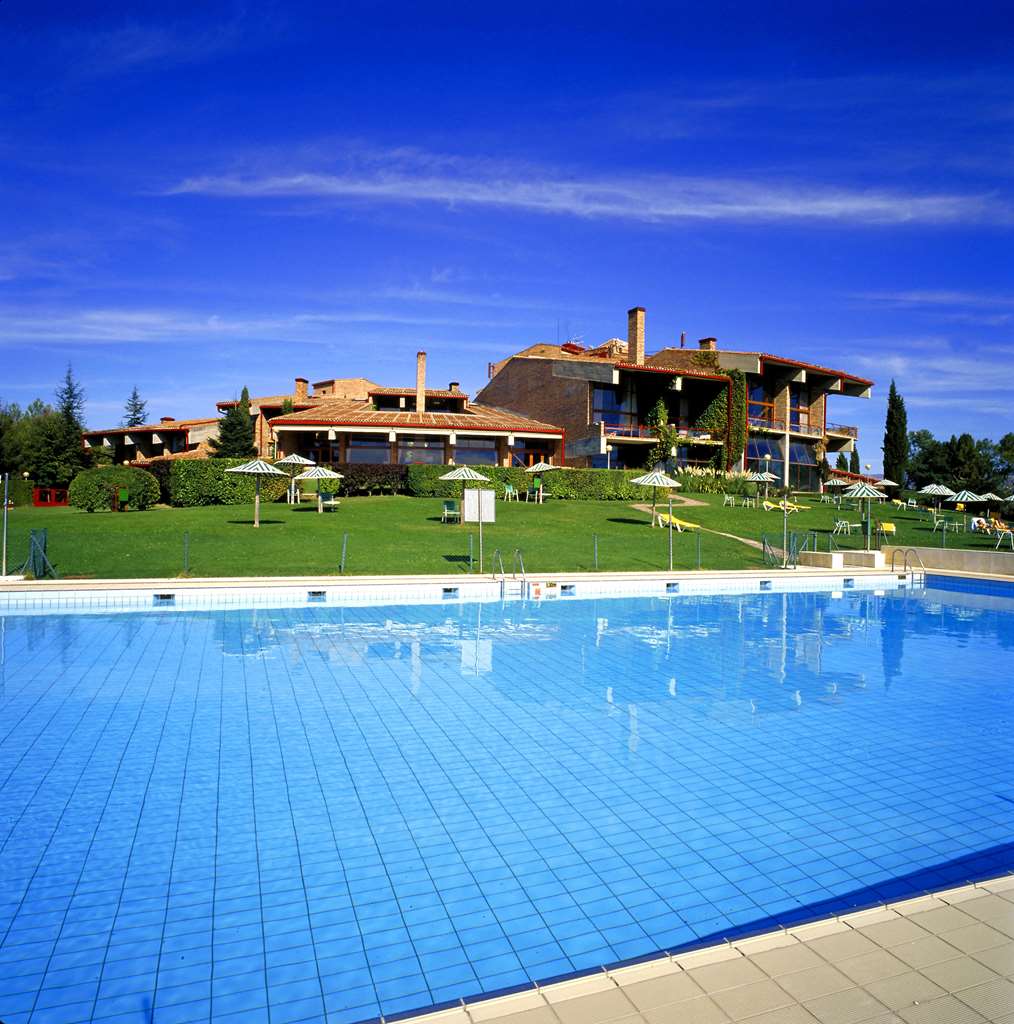
Staying inside the walls puts the Aqueduct, the Cathedral and the Alcázar within a ten-minute walk, and San Lorenzo is a fifteen-minute stroll beyond the Aqueduct. Hotels in the old town cluster around Calle de Juan Bravo and the Plaza Mayor, with a mid-range band of roughly 70 to 120 euros a night depending on the season, higher on October weekends. The Parador, just outside the walls by the river, is the priciest option and the quietest.
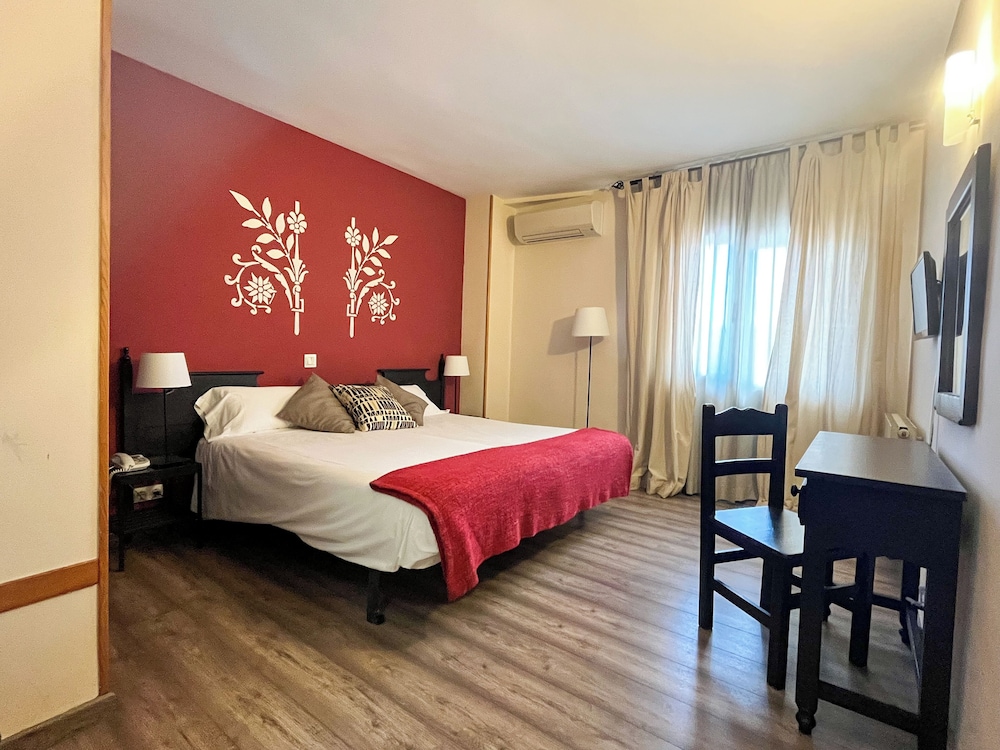
For this particular walk I would book in the old town rather than San Lorenzo itself. The barrio is residential and thin on hotels, and you will want the evening back in the lit-up centre. Anything between the Aqueduct and the Plaza Mayor works; check that the room has air conditioning if you are coming in July or August, since many older buildings do not. Arrive by train or bus and the station is a short taxi ride from the centre.
Practical notes before you go
Segovia sits at about 1,000 metres, so summer mornings are cool and afternoons fierce, and winter can bring sharp wind. Wear shoes with grip: the cobbles on the slope between the river and San Lorenzo are polished and slick after rain. Carry water from the fountain by the Alameda. The tourist office near the Aqueduct hands out a free map that marks the riverside path, which is more reliable than phone signal in the narrow lanes.
Cash is still useful in the smaller bars, though cards are widely taken. Lunch is the main meal, and the menú del día is the honest way to eat well without guesswork. Book the hotel before you book the restaurant, since autumn weekends fill the old town first. If you have a full day, pair the walk with the Alcázar in the morning and the Cathedral in the late afternoon, and leave the river for the middle of the day.
Questions travellers ask
A short set of answers on distances, timing and booking, kept to what is actually useful for this half-day.
Frequently asked questions
Where exactly does the riverside path start? From Plaza del Azoguejo, walk west along Calle Cervantes and follow signs to the Alameda del Eresma. The path drops below the old town and runs beside the river. It is about 1.2 kilometres, twenty minutes downhill, and the return to San Lorenzo is a steady ten-minute climb.
More questions answered
How long should I allow? Two to three hours including lunch, or four if you linger. Is San Lorenzo walkable from the Aqueduct? Yes, ten to fifteen minutes. Do I need to book lunch? At weekends, yes, especially for groups. What should I order? The menú del día, and judiones if they are on. When is the best month? May, June and September. Can I do it with children? Yes, the path is flat and short. Where should I stay? In the old town, near Calle de Juan Bravo or the Plaza Mayor.
Before you book
The questions people ask about San Lorenzo, answered with this month’s numbers.
The stretch beside the Alameda del Eresma is flat and surfaced over gravel, so pushchairs manage well. The slope between the river and San Lorenzo is the harder part, being cobbled and fairly steep in places, and may need a companion's help.
From the riverside benches up to San Lorenzo is roughly a ten-minute steady climb, and a further fifteen minutes on to the Aqueduct. Allow more in July and August heat, and take it slowly on the polished cobbles after rain.
The station sits well outside the centre, so a short taxi ride is the practical option rather than walking. Once in the old town, everything on this route, from the Aqueduct to San Lorenzo, is on foot.
It is a fixed-price lunch, usually two courses, bread and a drink, offered across Spain. In Segovia expect around 15 to 25 euros at lunch, which is the honest way to eat well without guesswork from a menu.
The barrio's menus lean on roast meats and heavy bean stews such as judiones de La Granja, so choice is limited. Bars serving raciones and tortilla by the slice are the easier bet, and it is worth asking before you sit down.
There is a fountain by the Alameda del Eresma for filling bottles, and benches appear every few hundred metres for resting. Carry water with you, particularly if you are walking in the summer months when the riverside is hot and empty.
Cards are widely accepted, though cash remains useful in the smaller bars around Calle de las Damas. Smaller establishments sometimes prefer it, so keeping some euros on you avoids an awkward moment at the till.
See the Alcázar first while it is quieter, then walk the Aqueduct and stop for an early lunch in San Lorenzo. Skip the longer river walk to the Vera Cruz church, which needs a separate half-day of its own.