A Quiet Morning in Segovia's Judería: Where to Walk Before the Crowds
 A Quiet Morning in Segovia's Judería: Where to Walk Before the Crowds
The old Jewish quarter between the Plaza Mayor and the Alcázar is at its best before ten, when the aqueduct tour buses have not yet arrived.
Start at the Plaza Mayor side, not the aqueduct
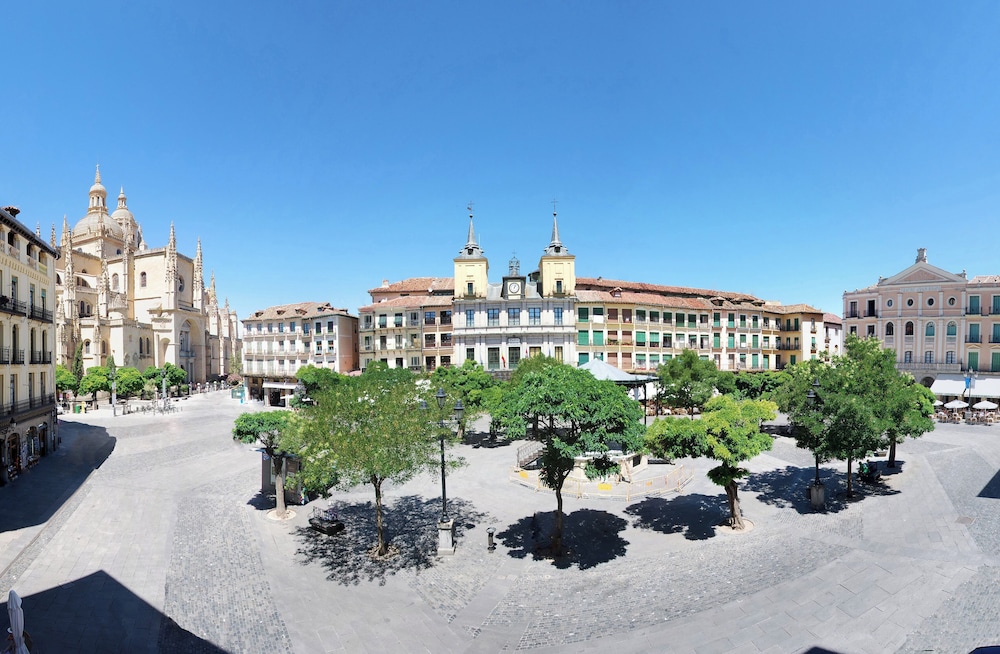
Most visitors enter the Judería from the aqueduct end, following the Calle Real downhill from the Plaza del Azoguejo. That route puts you in the middle of the day-tripper flow by half past nine. Do the opposite. Begin at the Plaza Mayor, where the morning light is still soft on the Cathedral of Segovia, and walk south along Calle Isabel la Católica. The street is narrow and quiet at eight, with little more than a few residents opening shutters and the smell of coffee from the bars near the Plaza de Medina del Campo.
The Judería here is not a single square but a tangle of lanes, passages and stairways, and it repays slow walking. Look for the old synagogue buildings tucked behind plain doorways; several are now private homes or small museums. The Centro Didáctico de la Judería on Calle Mayor Alta explains the community's medieval history in a handful of rooms, and it opens late morning, so pass it first and return when the streets fill.
The lanes between Calle Mayor and the walls
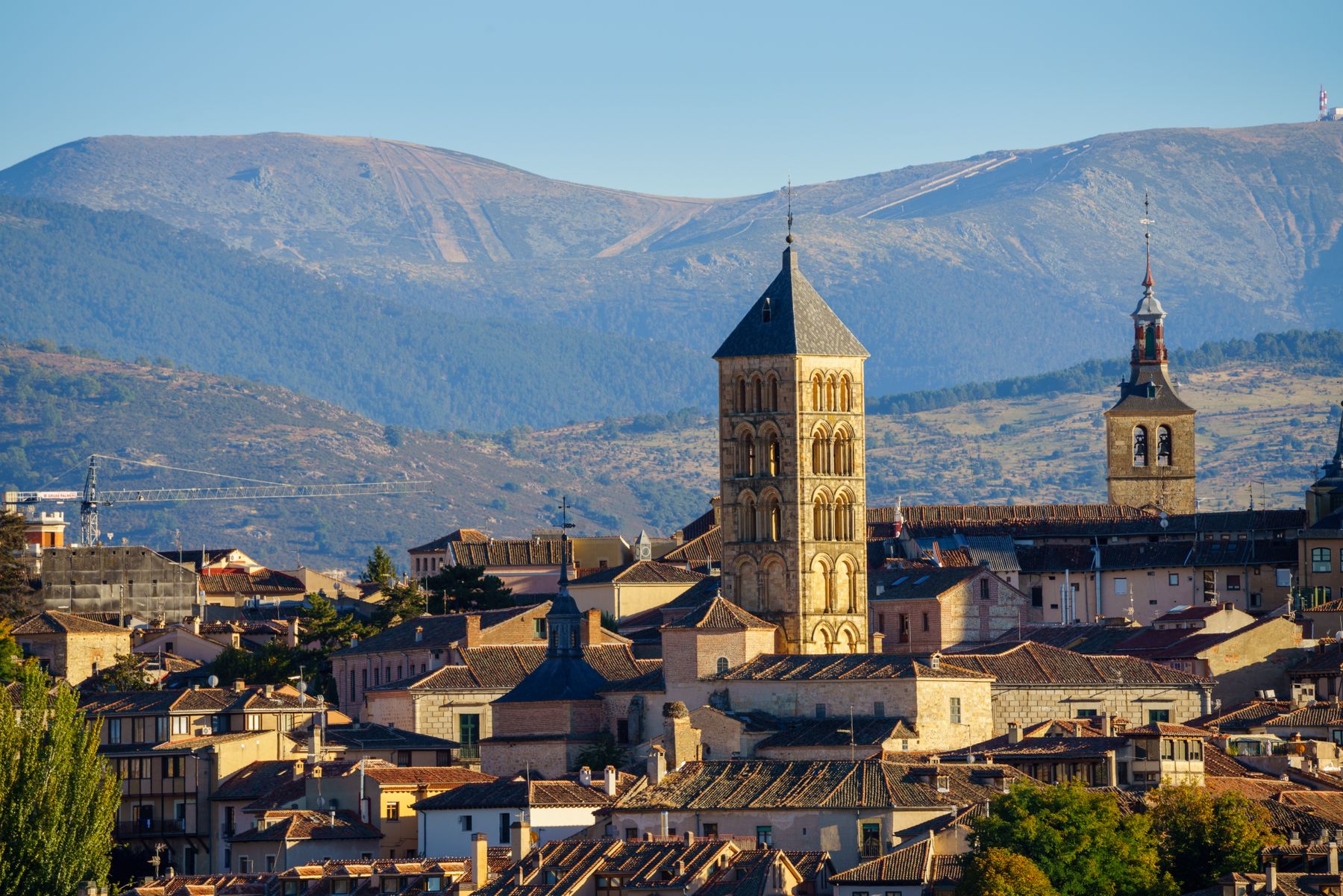
The best hour is spent on the lanes that drop toward the Eresma valley and the city walls. Calle de la Judería Vieja and the stepped alleys behind it climb and fall sharply, and from the upper reaches you get rooftops and the tower of the Church of San Andrés without a single tour group in the frame. This is steep ground with uneven paving, so wear shoes with grip, and take the descents slowly; a walking stick helps anyone with uncertain knees.
Continue toward the Puerta de San Andrés and the Jewish cemetery site on the slope outside the walls. The walk down takes about fifteen minutes and the return is the hard part, but the view back at the Alcázar and the Eresma below is worth it. If you would rather not climb, stay on Calle Mayor Alta and use the small plazas as rest stops; the Plaza de San Martín area has benches and shade.
Coffee, cochinillo and the best month to come
By ten the bars around the Plaza Mayor are serving breakfast; coffee and a tostada is cheap by Spanish city standards, and a menú del día at lunch is usually a solid twenty to thirty euros. Segovia's famous cochinillo is a lunch dish, not a breakfast one, and the restaurants that serve it best fill up by two, so book ahead rather than turning up. For a lighter lunch, the bars along Calle de la Infanta Isabel and the Plaza del Azoguejo do raciones and tapas at lower prices than the tourist-facing dining rooms.
April to early June and September to October are the sweet spots: mild mornings, long daylight and fewer people than the July and August crush. Winter mornings are the quietest of all, and the lanes hold frost in the shade, but several small museums keep reduced hours from January to March. If you have a car, park in the underground garages near the aqueduct rather than driving into the old town, whose streets are largely restricted and narrow.
Where to sleep to make the early start easy
Staying inside the walls is what makes a crowd-free morning possible. A hotel between the Plaza Mayor and the Judería means you can be on Calle Mayor before eight with no taxi and no bus. Segovia has a good spread of small hotels in restored townhouses in this zone, plus paradores and larger properties near the aqueduct. Expect to pay more for a room with a view of the Alcázar or the Cathedral, and less for interior rooms, which are also quieter at night.
My advice is to book a mid-range hotel within the old town, a short walk from the Plaza Mayor, rather than a chain on the ring road. The point of the stay is the walk out of your door at eight. Book two to three weeks ahead for spring and autumn weekends, when Segovia draws Madrid visitors, and check that your room is not on a street with early delivery traffic. Then set an alarm, skip the hotel breakfast, and eat in the Judería instead.
Before you book
The questions people ask about Judería, answered with this month’s numbers.
The AVANT train from Madrid arrives at Segovia Guiomar, about six kilometres outside the city. Bus line 11 connects the station to the centre, or a taxi takes around fifteen minutes. From the Plaza Mayor it is a five-minute walk into the Judería.
Calle Mayor and the Plaza Mayor are mostly level and paved. The lanes dropping toward the walls and the Eresma valley are steep, stepped and uneven, so plan a route along Calle Mayor Alta and the main squares rather than the lower alleys.
The restaurants on the Plaza del Azoguejo with photographed menus, and the aqueduct tour at midday. Also skip trying to drive into the old town; use the underground car parks near the aqueduct and walk everywhere instead.