A Day in Segovia's Judería: Streets, Sights and Lunch Stops
 A Day in Segovia's Judería: Streets, Sights and Lunch Stops
Segovia's old Jewish quarter packs centuries of history into a few walkable blocks—here's how to spend a day there, from the old synagogue to a plate of cochinillo.
Morning: Plaza del Azoguejo to the Old Synagogue
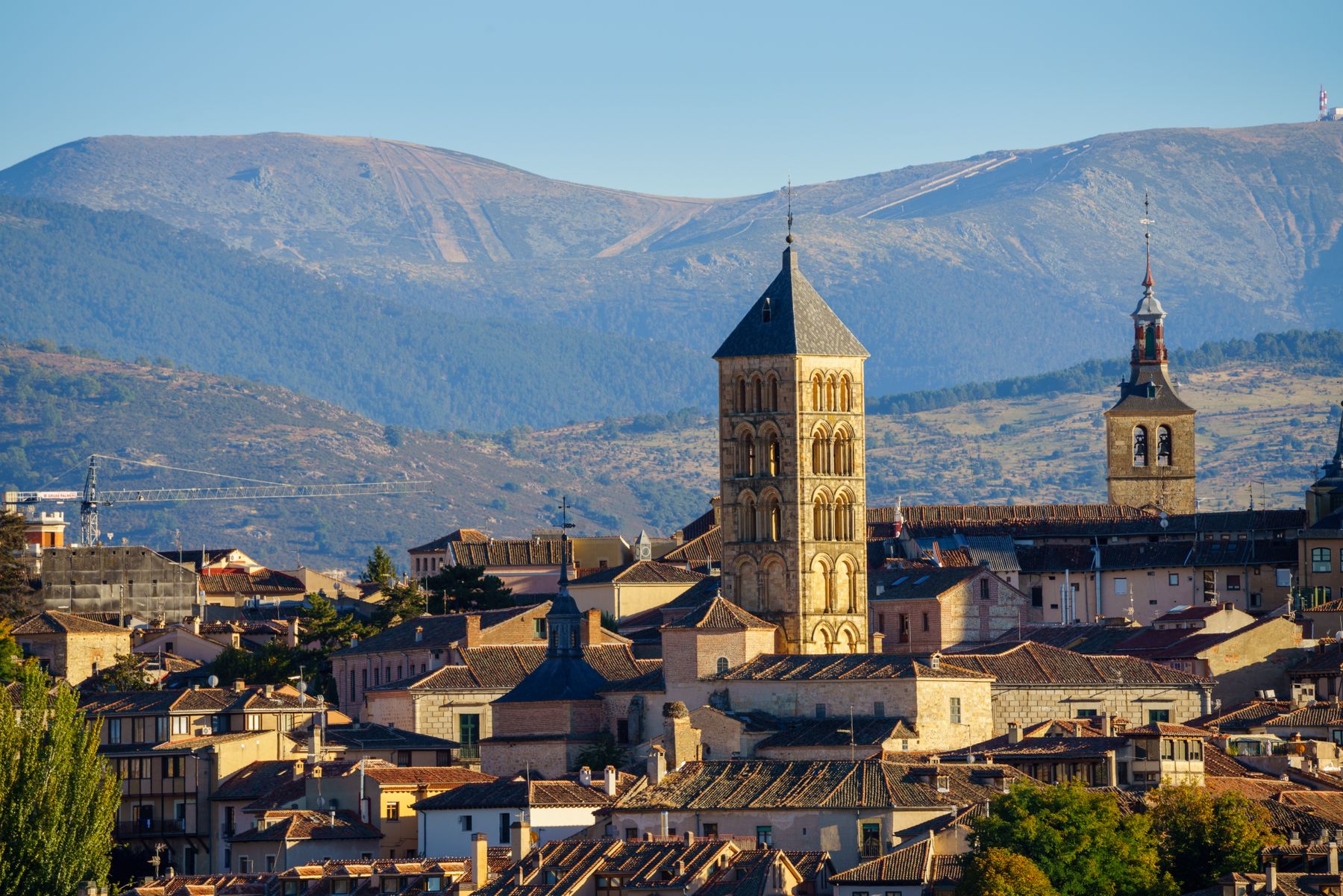
Start at the Plaza del Azoguejo, where the Roman aqueduct casts its long shadow. From there, climb the Calle Cervantes; after about five minutes you'll reach the Plaza del Corpus, the heart of the Judería. The streets here—Calle de la Judería Vieja, Calle de los Judíos—are narrow and cobbled, lined with stone houses that date back to the 15th century. The old synagogue, now the Centro Didáctico de la Judería, sits on Calle de la Judería Vieja; its mudéjar brickwork and small interpretive display give context to the quarter's history. Entry is a few euros; open Tuesday to Sunday, 10am–2pm and 4–6pm (closed Monday).
From the synagogue, walk two minutes to the Puerta de San Andrés, one of the old gates that separated the Jewish quarter from the Christian city. The gate's粗 stone arch and the remnants of the wall are a reminder of the district's boundaries. Continue along Calle de los Judíos to the Plaza de la Merced, a quiet square with a small fountain and a view of the cathedral tower. This is a good spot to pause and orient yourself before the midday crowds arrive.
Midday: From the Judería to the Cathedral and Lunch
Exiting the Judería at the Puerta de la Luna, you'll find yourself at the back of the cathedral. The Plaza Mayor is a five-minute walk uphill; its cafes are convenient but often overpriced and crowded. For lunch, I'd skip the plaza and head instead to Calle de la Infanta Isabel or Calle de San Agustín, where local restaurants serve Segovian classics. Expect to pay around €25–35 per person for a menú del día that includes cochinillo (roast suckling pig) or cordero asado (roast lamb), plus a starter and dessert. Reserve ahead for weekend lunches; many places fill up by 2pm.
If you prefer something lighter, the Judería itself has small tapas bars along Calle de la Judería Vieja. A plate of jamón ibérico and a glass of Ribera del Duero will set you back about €12–15. After lunch, wander back through the quarter's quieter lanes—Calle de la Almuzara and Calle de la Muerte—where you'll find small shops selling ceramics and antiques. The area is compact: from the synagogue to the cathedral is less than ten minutes on foot.
Afternoon: Casa Museo de Antonio Machado and the Walls
A short walk from the Judería, on Calle de los Desamparados, the Casa Museo de Antonio Machado preserves the poet's former home. It's a modest museum with original furniture and manuscripts; entry is free, and it's open Tuesday to Saturday, 11am–2pm and 4–6pm. From there, follow the Calle de la Muralla to the Puerta de Santiago, where a section of the medieval wall is open for walking. The path along the wall offers views over the Eresma valley and the Vera Cruz church. It's a peaceful contrast to the busy streets below.
If you have energy left, the walk continues to the Alcázar, about fifteen minutes from the Judería. The castle's interior is impressive, but if time is short, the exterior and the view from the gardens are enough. The Judería's own Museum of Segovia, on Calle Socorro, is another option; it covers local history from Roman times to the present. Entry is €3 for adults, free on Saturday afternoons and Sundays.
Evening: Where to Stay and What to Skip
As evening falls, the Judería becomes quiet and atmospheric. For dinner, consider returning to the restaurants near the Plaza Mayor or trying the mesones along Calle de San Agustín. Many places offer a late menu from 8:30pm. If you're staying overnight, hotels inside the old town are convenient but can be pricey; expect €90–150 for a double room in a mid-range hotel. Alternatively, the area around the aqueduct has more affordable options, around €60–90, with a fifteen-minute walk to the Judería.
What to skip: the tourist train that circles the old town—it's crowded and the commentary is basic. Also, don't bother with the souvenir shops right on Plaza Mayor; the same items are cheaper in the Judería's side streets. The Judería is best explored on foot, and comfortable shoes are essential given the cobblestones and slopes.
Before you book
The questions people ask about Judería, answered with this month’s numbers.
The Judería's streets are cobbled and narrow, with some slopes, making wheelchair access difficult. The main synagogue and museum have step-free entry, but the surrounding lanes are not ideal. A companion is recommended.
The Centro Didáctico de la Judería (old synagogue) is open Tuesday to Sunday, 10am–2pm and 4–6pm. It is closed on Mondays. Entry costs a few euros, and the small exhibit is worth 20–30 minutes.
For authentic cochinillo or cordero, head to Calle de la Infanta Isabel or Calle de San Agustín, a short walk from the Judería. Menú del día prices are around €25–35. Avoid the Plaza Mayor if you want better value.